The Story
Why it exists.
The beginning
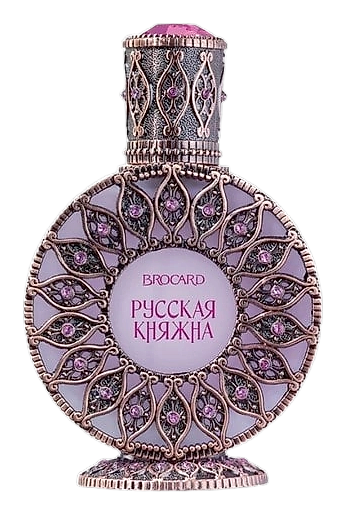
Bertrand Duchaufour approached the Russian Princess brief the way he approaches most of his work: find the contradiction at the center and let it breathe. The name promises something grand, imperial, but the composition refuses grandeur. It offers berries and tea instead, two materials that sound modest but require real skill to balance. The result is a fragrance that earns its title quietly, without armor. There is something deliberate about the choice to keep things restrained, to let the cranberry and raspberry speak plainly rather than amplified, and to let the black tea sit at the heart of the composition without apology. It suggests confidence without shouting for attention, the kind of self-assurance that doesn't need to announce itself.
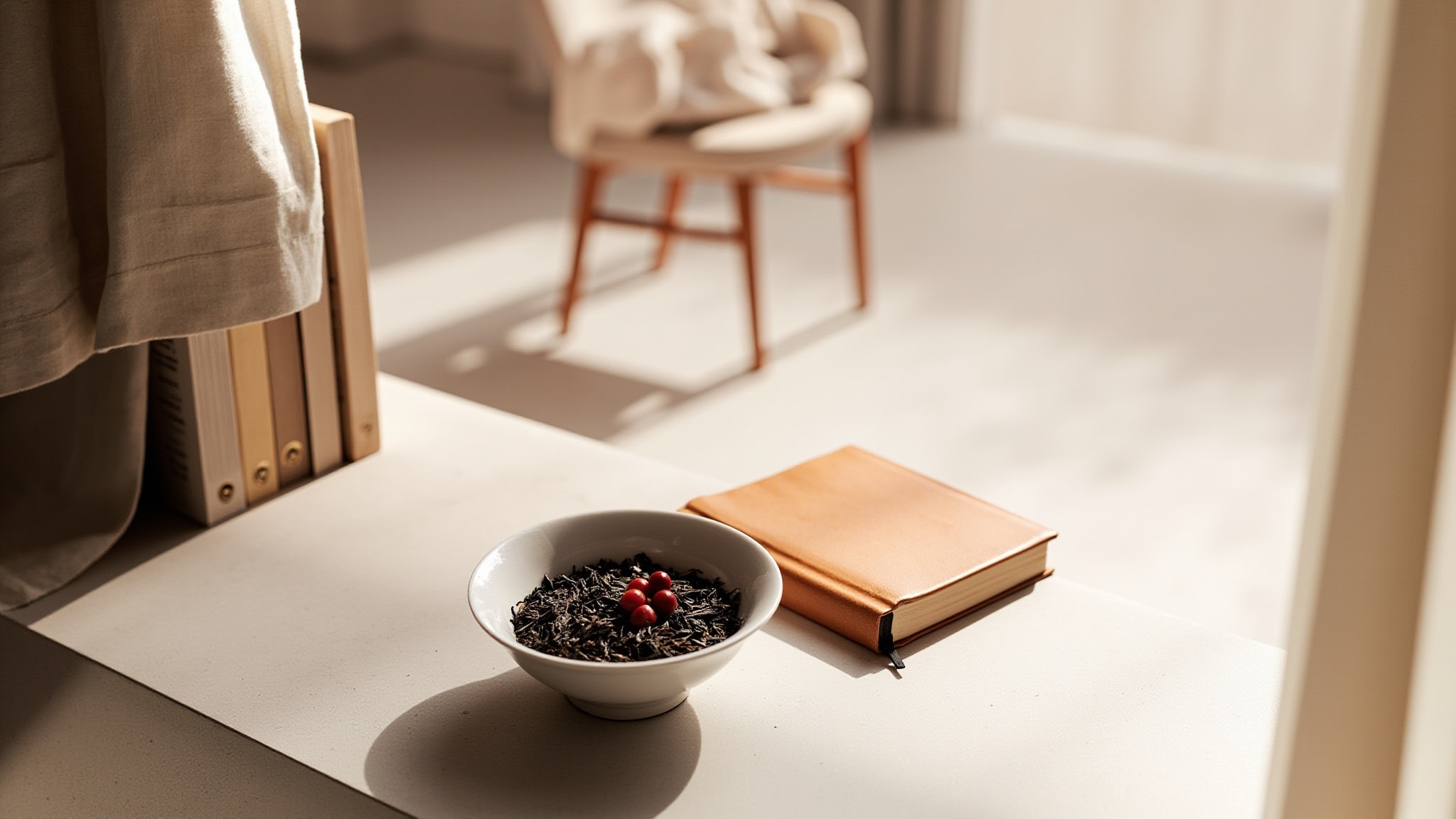
The black tea note is the hinge. On paper, it looks like a bridge between fruit and woods, and it is, but it's also doing something more interesting: it keeps the sweetness honest. Too often, berry compositions lean into gourmand territory, becoming decorative. Here, the tea adds a slight bitterness, a literariness, that prevents that slide. Violet and iris bring a soft powder quality that reads vintage without feeling dated. They're the kind of florals that suggest something worn and loved for years, not something purchased yesterday.
The evolution
The opening hits bright and tart, cranberry and raspberry in equal measure, with strawberry adding just enough softness to keep it from sharpening into something sharp. Then the citrus fades and black tea enters. The shift is immediate: the composition cools, becomes more introspective. Violet and rose arrive quietly, not announcing themselves, just settling in beside the tea. The drydown is where oakmoss does its work. Not aggressive, not green in the way fresh-cut grass is green, more like the smell of a forest after rain, when everything has cooled and gone still. Cedar and sandalwood round it out, adding warmth without sweetness. The sillage stays close to the skin, lingering without projecting far, present enough to notice when someone leans in, gone before it becomes intrusive.
Cultural impact
The Russian Princess presents a quiet, contemplative piece that feels personal rather than nationalistic. The fragrance avoids obvious cultural signposts, instead finding its identity through the interplay of tart berries and cooling tea, grounded by moss and wood. Rather than reaching for familiar Slavic motifs or Western orientalist tropes, the composition carves out its own space, one defined by restraint and subtle complexity. The result is a fragrance that invites the wearer to bring their own associations to it, rather than imposing a predetermined narrative.