


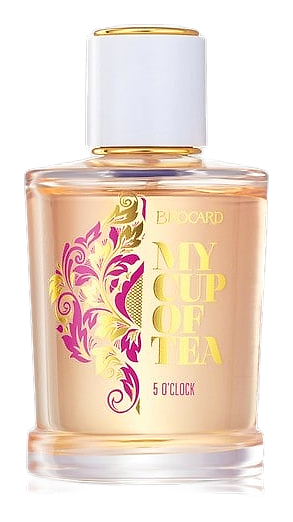
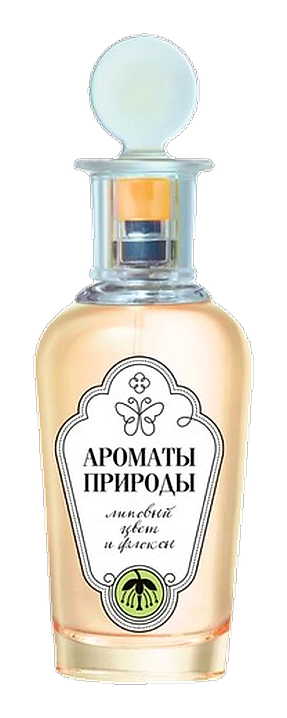
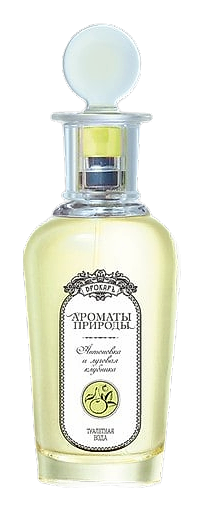
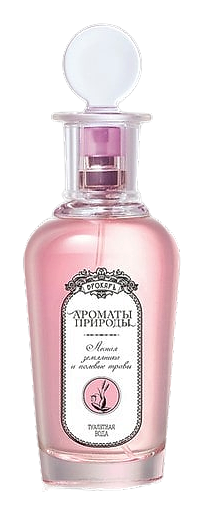
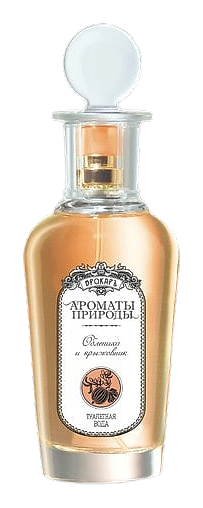
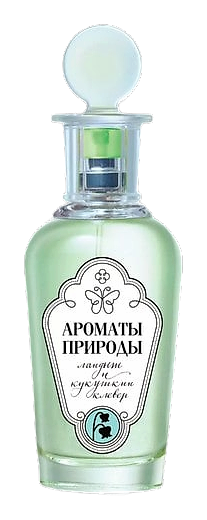
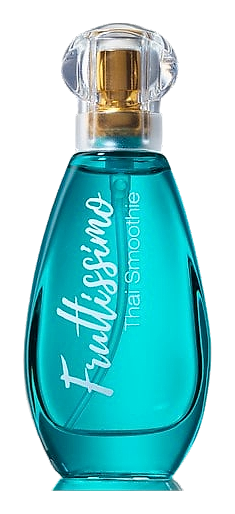

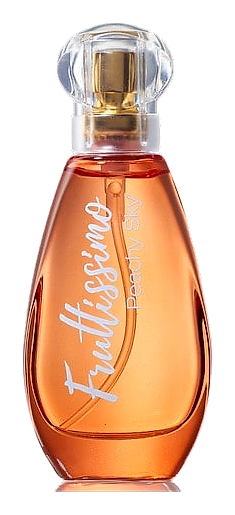

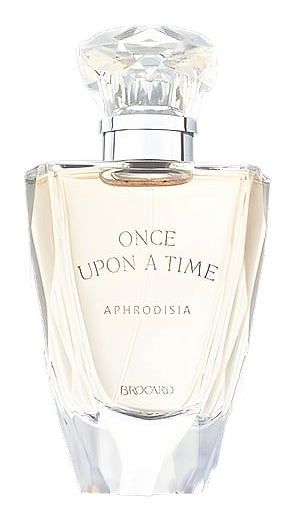
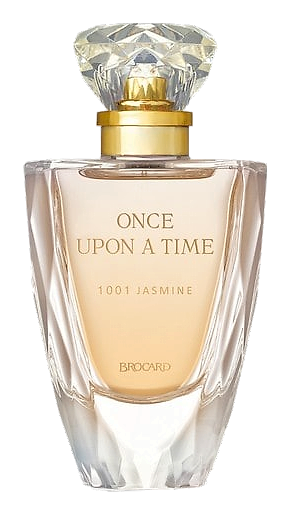
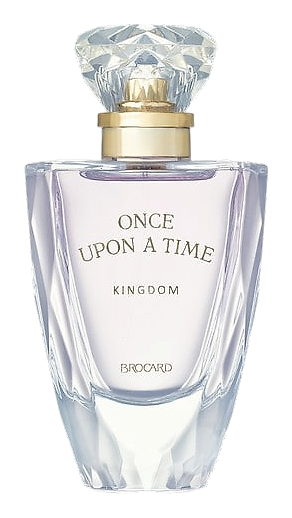
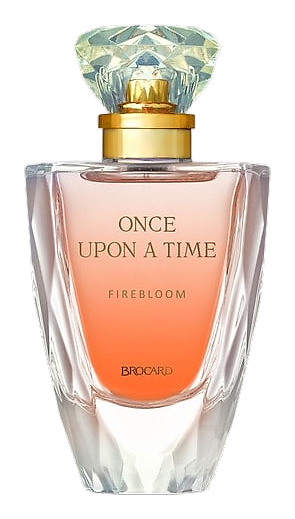
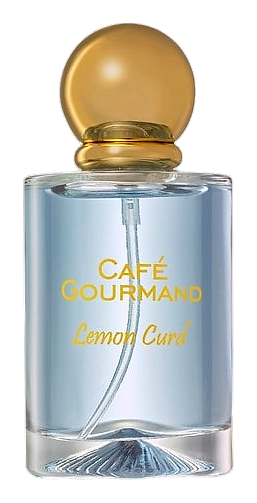
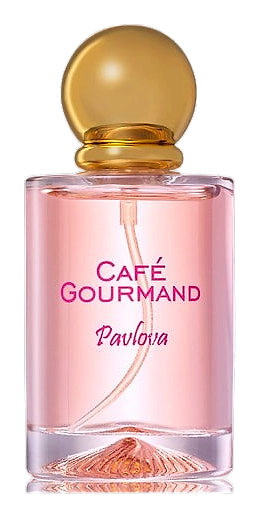
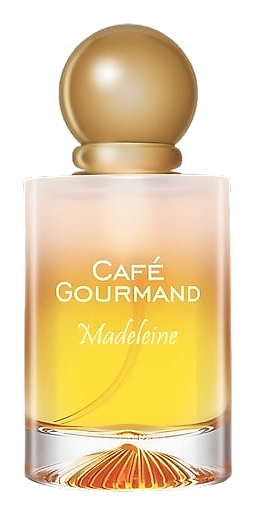
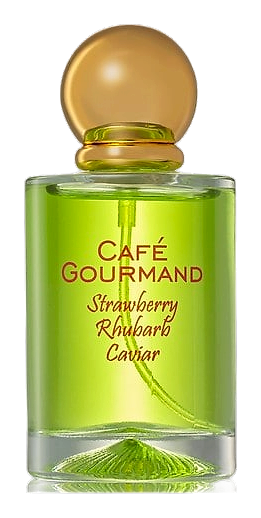
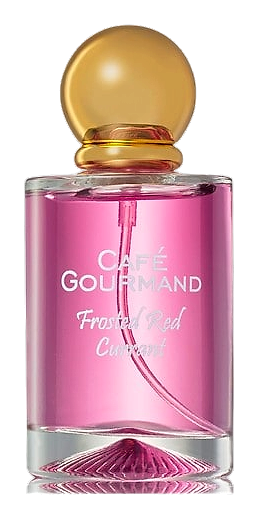
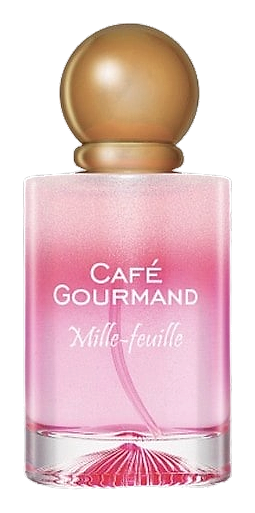
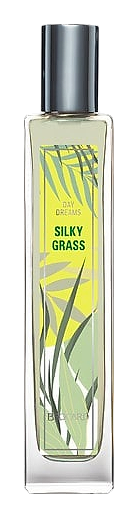
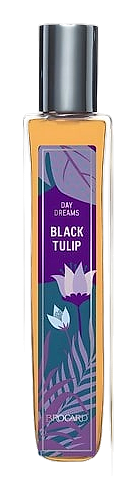



The Heritage
The Story of Brocard
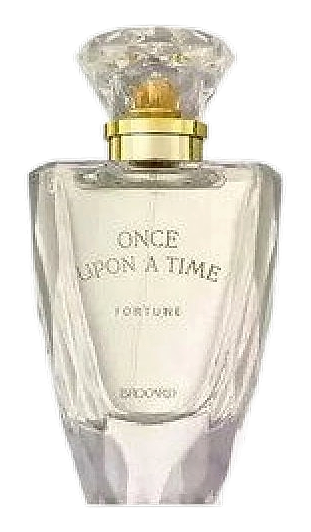
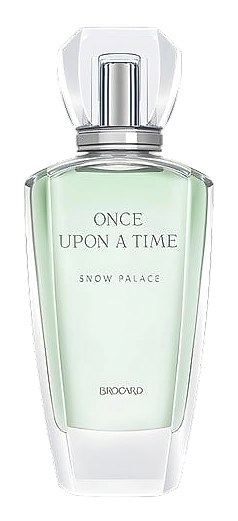
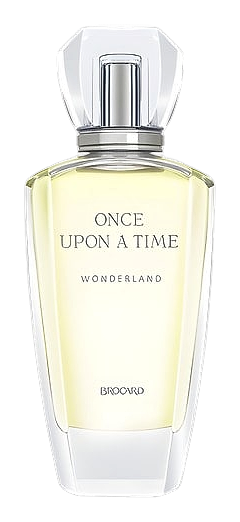
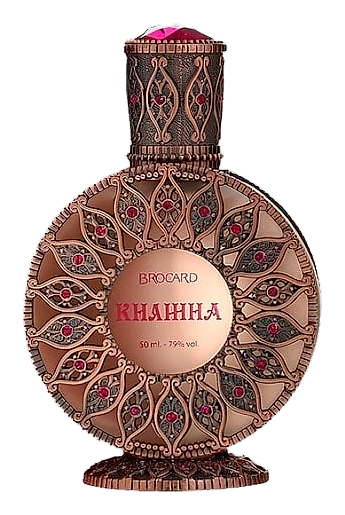
Brocard is a Russian‑origin fragrance house that blends historic craft with contemporary sensibility. Founded in the 19th century, the brand began as a modest soap shop and grew into a factory that supplied the Russian elite before the Revolution. Today the label releases limited‑edition scents such as Золото Морей (2017) and Etno (2025), each positioned as a study in balance rather than a statement of status. The portfolio reflects a quiet confidence that appeals to collectors who value narrative over hype.
Heritage
Henri Brocard opened a luxury soap shop on Moscow’s Arbat in 1864, according to contemporary newspaper notices. The shop quickly earned a reputation for meticulous formulation, a reputation that attracted the patronage of Moscow’s aristocracy. By the late 1800s the business expanded into a small perfume laboratory, employing local chemists who experimented with natural extracts imported from the Caucasus and the Baltic coast. In 1900 Henri Brocard left Russia for health reasons; his sons, Alexei and Dmitri, remained and oversaw the conversion of the workshop into a full‑scale perfume factory. Trade registries from 1905 list the Brocard factory as the largest producer of scented soaps and eau de colognes in the Russian Empire, supplying department stores in St. Petersburg and Kiev. The 1917 Revolution forced the family to abandon the premises, and the factory was nationalised under the new Soviet regime. Archival photographs show the original brick building still standing in Moscow’s Zamoskvorechye district, now repurposed as a cultural centre. After the Soviet era, the Brocard name resurfaced in the early 2000s when descendants of the founding family re‑registered the trademark and partnered with independent perfumers in Europe. A 2023 interview in a Russian trade journal confirmed that the revived brand operates out of a boutique workshop in Saint‑Petersburg, where it produces small batches of niche fragrances. Recent releases – Encoder (2024), Carte Blanche (2025) and Elixir of Paradise (2025) – demonstrate a willingness to explore both classic Russian motifs and global olfactory trends, while still referencing the original emphasis on quality ingredients and artisanal technique.
Craftsmanship
Brocard’s production process begins with a field audit of raw material suppliers. The brand works directly with cooperatives in Grasse, the Balkans and the Black Sea region, verifying that each harvest meets both quality and ethical standards. Once the essential oils arrive at the Saint‑Petersburg workshop, they undergo a cold‑press or steam‑distillation step under the supervision of a senior chemist. The house still employs a traditional maceration technique for its base notes, allowing ingredients such as sandalwood and musk to infuse in high‑grade ethanol for up to six months. This slow aging stage distinguishes Brocard’s scents from mass‑produced alternatives that rely on rapid blending. After maceration, the perfume is filtered through a series of stainless‑steel and charcoal filters to remove impurities while preserving volatile compounds. The final blend is then transferred to hand‑blown glass bottles that are sealed with corks sourced from sustainably managed cork oak forests in Portugal. Quality control includes a blind panel test conducted by a rotating group of fragrance experts, who evaluate each batch for consistency, projection and longevity. Only batches that meet a predefined score are released. The brand also documents each production run in a ledger that records ingredient batch numbers, temperature logs and filtration dates, ensuring traceability for collectors who value provenance. This meticulous approach reflects the house’s commitment to preserving the tactile heritage of early Russian perfumery while integrating modern scientific standards.
Design Language
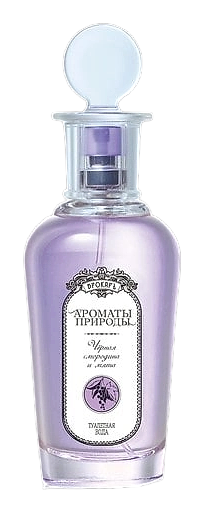
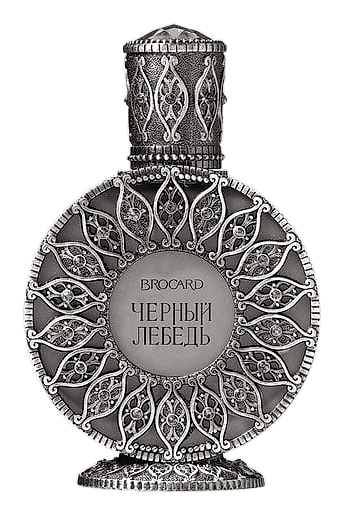
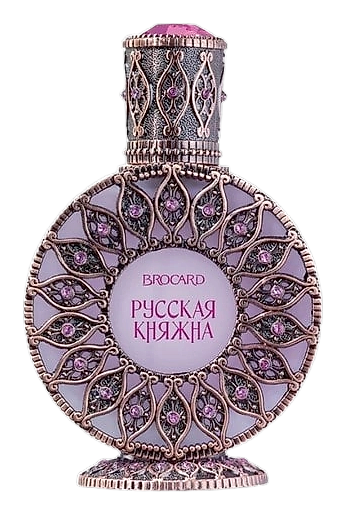
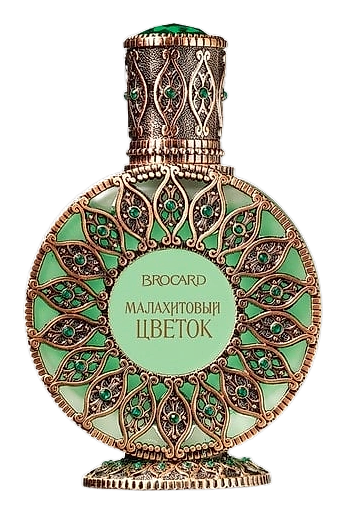
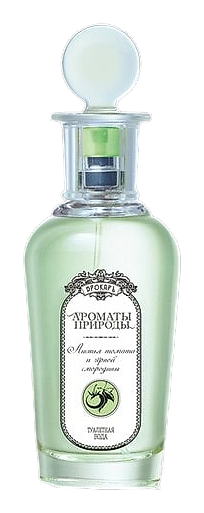
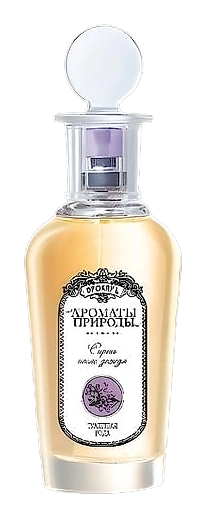
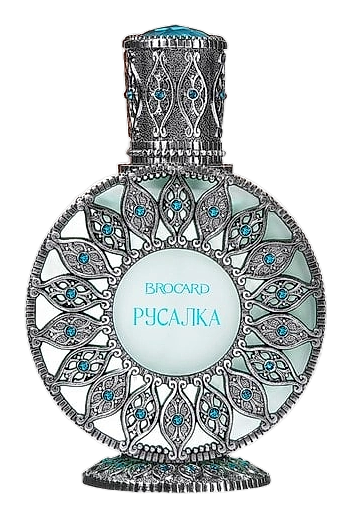
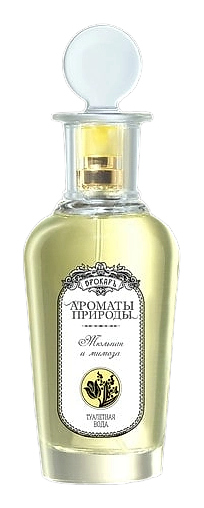
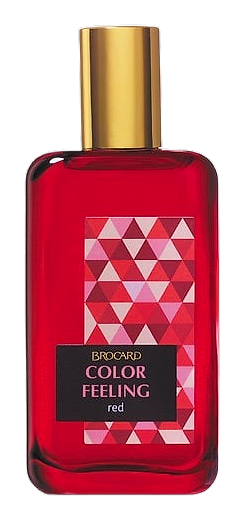
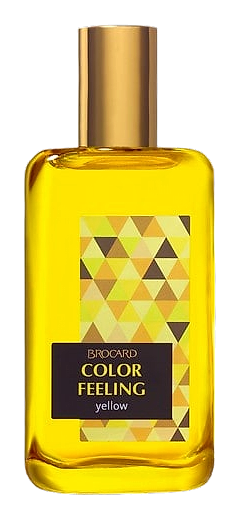
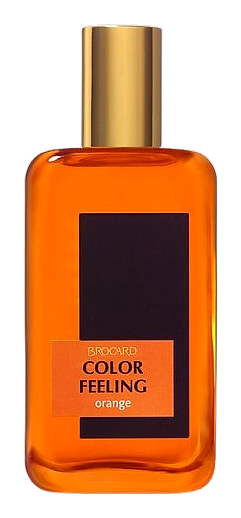
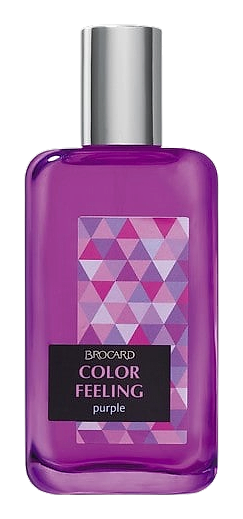
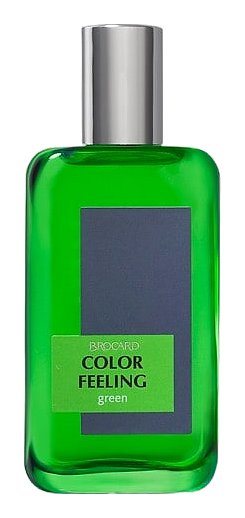
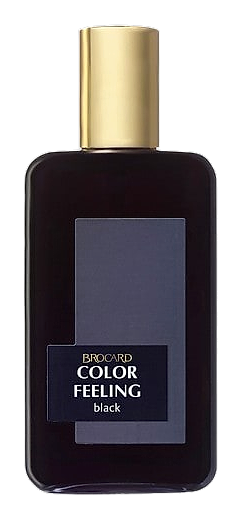
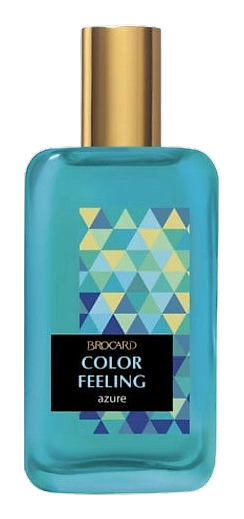
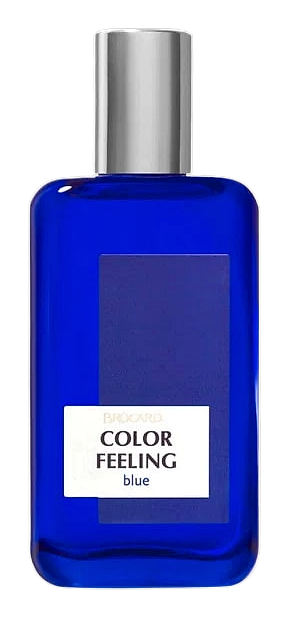
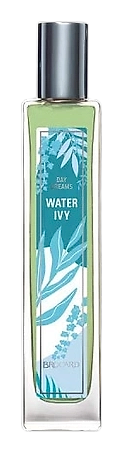
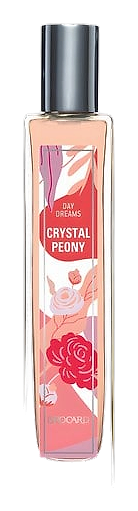
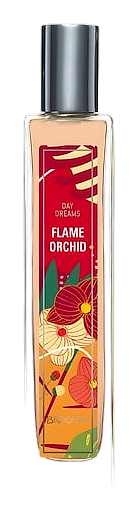
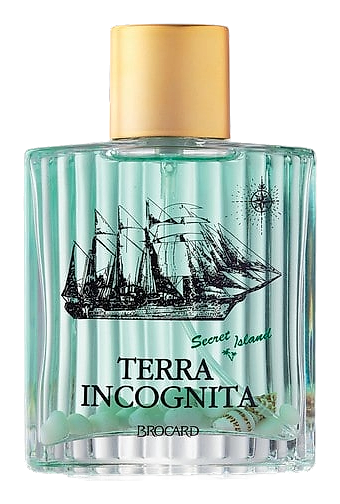
Brocard’s visual language draws on late‑19th‑century Russian design motifs. The brand’s logo features a stylised double‑eagle crest rendered in matte gold, a nod to the original soap shop’s signage. Bottle shapes echo the silhouette of classic Russian crystal decanters, with clean lines and a slight taper that fits comfortably in the hand. Each fragrance is presented in a frosted glass vessel capped with a brushed‑metal lid; the lid bears a small enamel pin that indicates the scent’s launch year. Packaging inserts are printed on heavyweight, recycled paper with a sepia‑toned illustration of the original Moscow storefront. The colour palette varies by collection: the 2024 Encoder series uses deep navy and copper accents, while the 2025 Carte Blanche line opts for ivory and soft teal, reflecting the scent’s airy character. Retail displays in the Saint‑Petersburg boutique feature reclaimed wood shelves and vintage brass lighting, creating an atmosphere that feels both historic and contemporary. The brand’s advertising, when it appears in niche magazines, favors monochrome photography that captures the perfume bottle against textured backdrops, allowing the scent’s story to emerge without overt visual clutter.
Philosophy
Brocard approaches scent as a dialogue between memory and place. The house states that each composition should evoke a specific moment without relying on overt branding. In practice, the creative team selects raw materials that have a documented provenance – for example, ambergris harvested under strict sustainability guidelines, or Bulgarian rose oil sourced from farms that practice organic cultivation. The brand encourages perfumers to reference personal archives, allowing them to reinterpret historic formulas with modern techniques. This philosophy emerged from interviews with the current creative director, who described the process as “listening to the past while speaking in today’s language.” The house also emphasizes transparency; product sheets list each ingredient’s origin and the year of harvest whenever possible. By limiting batch sizes to a few hundred bottles, Brocard aims to maintain a tactile connection between creator and consumer, fostering a sense of intimacy that larger houses often sacrifice. The company’s public statements avoid grandiose claims, instead focusing on the tangible aspects of scent creation – the balance of top, heart and base notes, the longevity of the dry‑down, and the emotional resonance that a well‑crafted perfume can inspire.
Key Milestones
1864
Henri Brocard opens a luxury soap shop on Moscow’s Arbat, marking the brand’s origin.
1900
Henri Brocard departs Russia for health reasons; his sons continue the business and expand into perfume manufacturing.
1917
The Russian Revolution leads to nationalisation of the Brocard factory; production halts under Soviet control.
2003
Descendants of the Brocard family re‑register the trademark and launch a boutique perfumery in Saint‑Petersburg.
2017
Release of Золото Морей (Gold of Sea), the first modern fragrance to reference the brand’s maritime heritage.
2024
Encoder debuts, showcasing Brocard’s collaboration with London‑based Bloom Perfumery.
At a Glance
Brand profile snapshot
Origin
Russia
Founded
1864
Heritage
162
Years active
Collection
4
Fragrances released
Avg Rating
3.5
Community sentiment
Release Rhythm


