


The Heritage
The Story of Incarna parfums
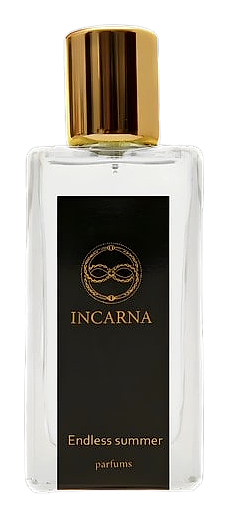
Incarna parfums is a Russian niche perfume house that emerged in St. Petersburg in 2017. The label offers a compact catalogue of author‑driven scents, each presented as a personal vision rather than a mass‑market offering. Its releases span a range of olfactory moods, from the contemplative quiet of Silentium (2025) to the sun‑kissed brightness of Endless Summer (2024). Incarna’s approach privileges individuality, inviting wearers to explore stories that unfold on the skin over time. The brand’s modest size allows it to experiment with unconventional accords while maintaining a clear, consistent voice across its line.
Heritage
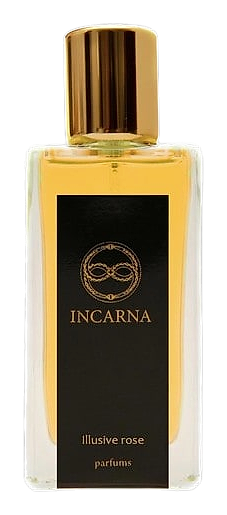
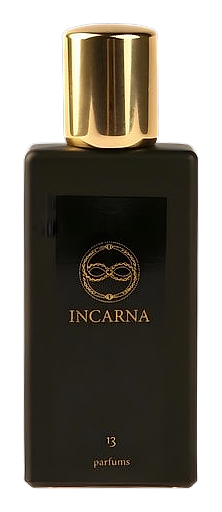
The story of Incarna parfums begins in the cultural crossroads of St. Petersburg, where a small collective of fragrance enthusiasts decided to translate artistic ideas into scent. In 2017 the group formalised the venture, choosing the name Incarna – a nod to the Latin root for "embodied" – to signal its intent to give intangible concepts a tangible form. Early releases focused on experimental blends that drew on both Russian botanical heritage and contemporary perfumery trends. By 2018 the house launched Arcanum, a fragrance that combined smoky amber with subtle herbal notes, marking the first public statement of its aesthetic. The following year saw Glaros and Molitva, the latter taking its name from the Slavic word for prayer, reflecting a recurring interest in spiritual and cultural motifs. 2020 added Illusive Rose and the enigmatic 13, both of which explored the tension between classic rose structures and modern twists. Immortelle Black arrived in 2021, pairing the bitter‑sweet aroma of immortelle with dark woods, while Alva (2023) introduced a lighter, airy composition that hinted at a shift toward brighter palettes. The brand continued its momentum with Endless Summer (2024) and two 2025 releases – Silentium and Devana – each reinforcing Incarna’s commitment to narrative‑driven perfumery. Throughout its development the house has remained independent, avoiding large‑scale distribution in favor of direct‑to‑consumer channels and selective boutique placements. This strategy has allowed Incarna to retain creative control and to respond quickly to emerging scent ideas, positioning it as a modest yet resilient player in the Russian niche market.
Craftsmanship
Production at Incarna parfums follows a small‑batch model typical of niche houses. The brand works with independent laboratories in Russia and occasionally partners with European compounding facilities to achieve specific technical goals. While detailed sourcing lists are not publicly disclosed, fragrance reviews note the presence of natural extracts such as Bulgarian rose, Mediterranean citrus, and Siberian pine, blended with synthetics that enhance longevity and projection. The house emphasizes careful weighing and precise temperature control during maceration, processes that help preserve the integrity of delicate notes. Each batch undergoes a stability test that includes a three‑month aging period before bottling, ensuring that the final product matches the creator’s original vision. Bottles are filled by hand in a cleanroom environment, and the brand applies a thin protective film to guard against light exposure. Quality checks include olfactory evaluation by the founding team and a secondary review by an external perfumer when possible, a practice that adds an extra layer of verification without compromising the authorial voice.
Design Language
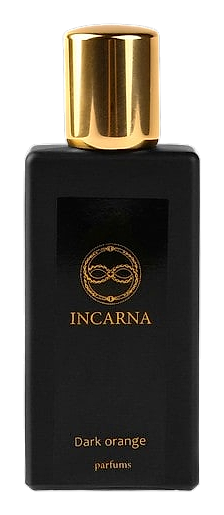
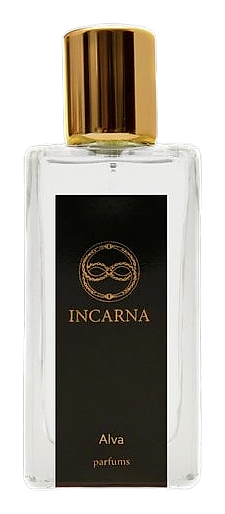
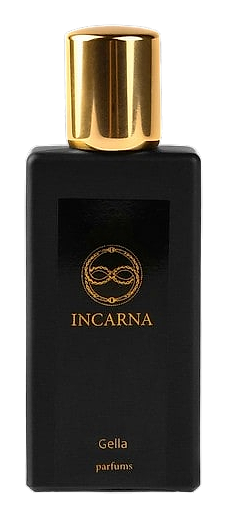
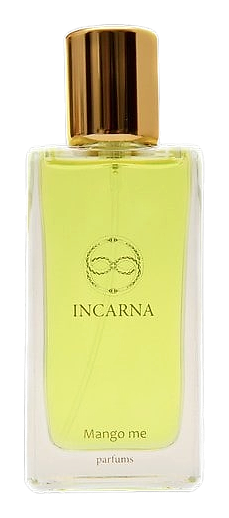
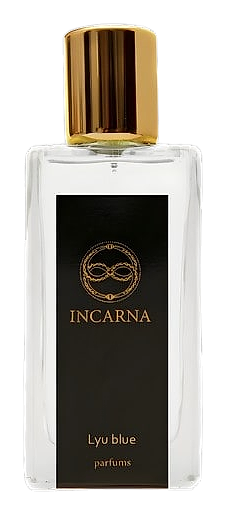
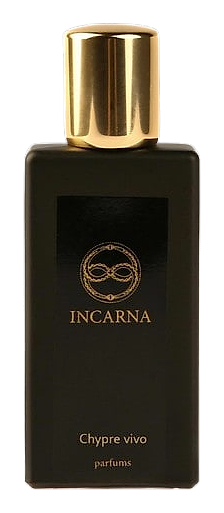
Visually, Incarna parfums adopts a restrained, modern aesthetic that mirrors its editorial tone. Bottles are typically clear or lightly tinted glass, allowing the perfume's colour to become part of the design. Labels feature simple black typography on a white background, with the brand name and fragrance title aligned centrally. Caps are matte metal or brushed aluminium, providing a tactile contrast to the smooth glass. The overall look avoids excessive ornamentation, instead relying on clean lines and subtle branding to convey confidence. Marketing imagery often places the bottle against neutral backdrops, accompanied by short, poetic captions that hint at the scent's narrative. This minimal visual language reinforces the idea that the fragrance itself is the focal point, not the packaging.
Philosophy
Incarna parfums frames fragrance as a storytelling medium. According to the brand’s own statements on Fragrantica, each scent is conceived as an "author's vision" that captures a specific mood, memory, or concept. The house avoids generic market categories, preferring instead to let the narrative of each perfume dictate its composition. This philosophy translates into a focus on authenticity: ingredients are chosen for their ability to convey the intended emotion, whether that is the solemn hush suggested by Silentium or the exuberant warmth of Endless Summer. Incarna also values transparency, offering brief descriptions that explain the inspiration behind each launch. The label’s Russian roots surface in titles that reference language, folklore, and spirituality, reinforcing a sense of place without relying on overt nationalism. By treating each fragrance as a self‑contained story, the brand encourages wearers to engage with scent on an intellectual as well as sensory level.
Key Milestones
2017
Incarna parfums founded in St. Petersburg, Russia
2018
Launch of Arcanum, the house's first public fragrance
2019
Release of Glaros and Molitva, expanding the line with nature‑inspired and spiritually themed scents
2020
Introduction of Illusive Rose and 13, exploring modern twists on classic accords
2021
Immortelle Black debuts, highlighting dark, bitter‑sweet compositions
2023
Alva arrives, marking a shift toward lighter, airy fragrances
At a Glance
Brand profile snapshot
Origin
Russia
Founded
2017
Heritage
9
Years active
Collection
2
Fragrances released
Avg Rating
4.3
Community sentiment
Release Rhythm


