The Heritage
The Story of ATon
ATon Perfumes positions itself as an artisanal niche house that translates raw natural materials into layered scent stories. Founded by Anton Gerasimov, the brand debuted a trio of compositions in 2022 and has since expanded its catalogue with oud‑centric releases such as Oud Callistus (2024) and S.T. Oud (2025). Each fragrance is presented in a restrained bottle that lets the aroma speak for itself, while the brand maintains a modest footprint through limited‑batch production and selective retail partnerships across Europe and Africa.
Heritage
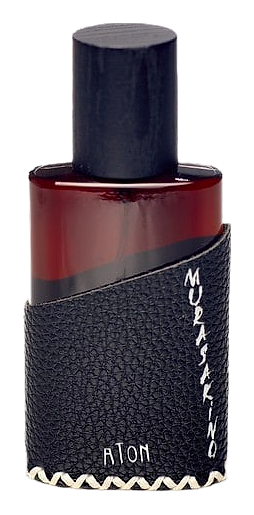
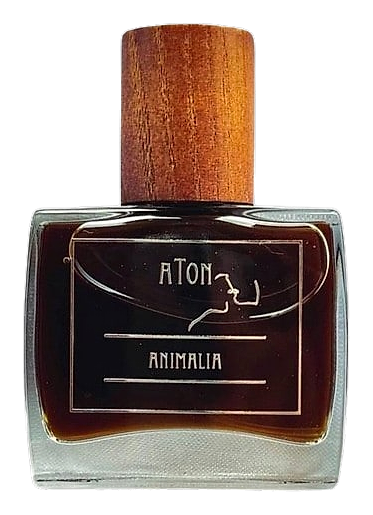
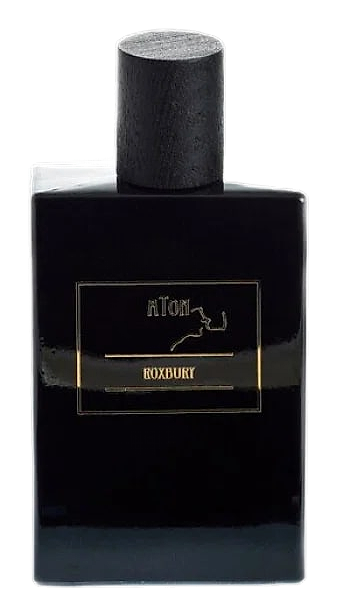
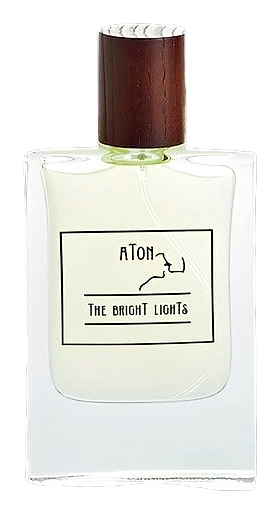
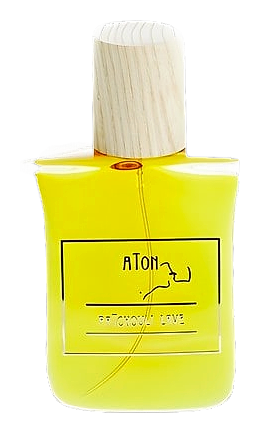
The house traces its roots to Anton Gerasimov, a Russian‑born perfumer who entered the niche market in his mid‑twenties. Gerasimov is the younger step‑brother of Adam Gerasimov, the founder of the cult brand Areej le Doré, and grew up surrounded by the olfactory experiments of his family. In early 2022 he launched ATon with three inaugural scents – The BrighT LighTs, Patchouli Lave and Roxbury – each aimed at showcasing a different facet of natural raw material. The debut received coverage from independent fragrance blogs, which highlighted the brand’s commitment to un‑adulterated ingredients and hand‑blended formulas. By 2024 the line grew to include Animalia, Oud Callistus and Murasakino, confirming a steady output of new creations each year. A notable milestone arrived in late 2023 when Organic Olfactory announced an authorized retail partnership in Ghana, marking ATon’s first official presence on the African market. The brand’s growth has remained measured; production stays within a small studio in Moscow, and each launch is accompanied by a limited run that sells out within months, according to third‑party inventory trackers. Throughout its short history ATon has cultivated a reputation for transparent sourcing and a focus on the narrative potential of scent, positioning itself as a quiet but persistent voice in the contemporary niche perfume scene.
Craftsmanship
Production at ATon follows a small‑batch, hand‑blended model. Raw ingredients such as Cambodian agarwood, Indian sandalwood and aged Japanese patchouli arrive in bulk and are stored in climate‑controlled vaults to preserve their aromatic integrity. The perfumer conducts a series of test macerations, adjusting ratios until the desired balance emerges. Once the formula is finalized, the blend is poured into stainless‑steel vats and left to mature for periods ranging from three months to over a year, depending on the complexity of the composition. Quality control includes blind olfactory panels that assess consistency across batches; any deviation triggers a re‑blend before the perfume reaches the bottling line. Bottles are hand‑filled in a cleanroom environment, sealed with a custom‑cut crystal stopper, and labeled with a minimalist foil tag that lists the exact ingredient origins. ATon sources many of its raw materials from cooperatives that practice sustainable harvesting, and the brand maintains documentation of each supplier’s certification, a practice confirmed by third‑party retailer statements. The result is a line of fragrances that retain the depth of their natural components while offering a refined, repeatable olfactory experience.
Design Language
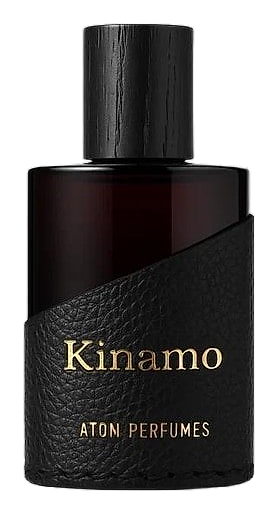
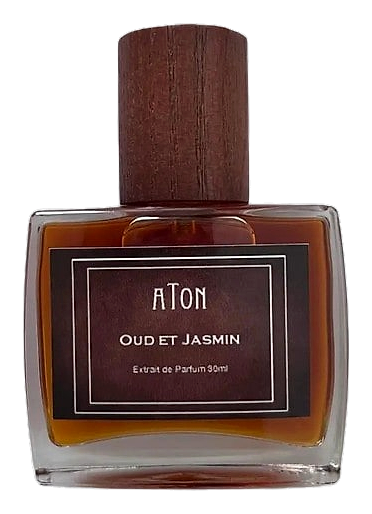
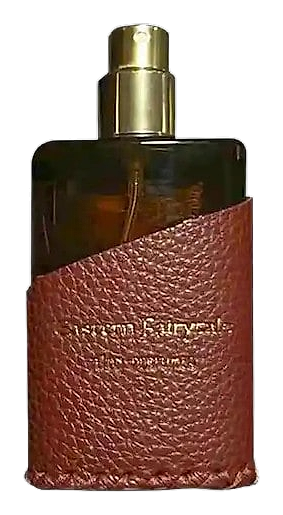
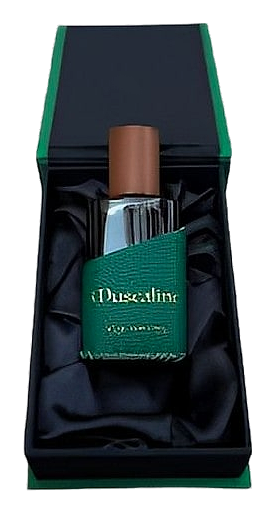
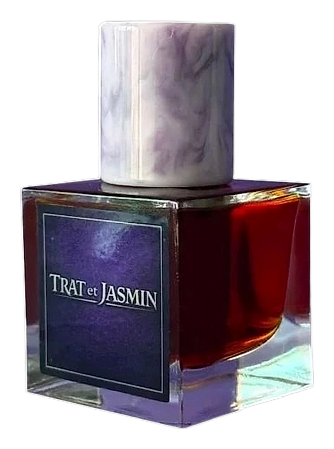
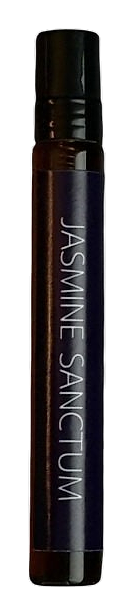
Visually, ATon adopts a minimalist aesthetic that mirrors its olfactory restraint. Bottles are typically cut from dark amber or matte black glass, allowing the perfume’s colour to remain subtle. The brand’s logo appears in thin silver lettering, positioned centrally on the front, and is often accompanied by a small metal disc that bears the year of release. Caps are either brushed aluminum or polished wood, chosen to complement the scent’s primary note – for example, an oud‑focused fragrance may feature a dark walnut cap. Packaging boxes use thick, uncoated cardstock in muted tones, with a single line of text describing the scent’s inspiration printed in a clean sans‑serif font. This understated visual language reinforces the house’s focus on substance over flash, inviting the consumer to explore the fragrance without distraction. Promotional imagery frequently showcases the raw materials themselves – a slab of oud, a sprig of patchouli – set against a soft, natural backdrop, further emphasizing the brand’s connection to the source.
Philosophy
ATon’s creative vision revolves around the idea that raw botanical and animalic materials can be transformed into stories that resonate with personal memory. The brand emphasizes honesty in ingredient disclosure, preferring to list the exact origin of each note when possible. Sustainability forms a core value; the house works with small‑scale farms that harvest oud, patchouli and other aromatics using methods that limit waste and respect local ecosystems. Rather than chasing trends, ATon lets the intrinsic character of each material dictate the composition, allowing the perfumer to act as a translator rather than a designer. The house also encourages collectors to experience each fragrance over time, noting how the scent evolves on skin, which aligns with its belief that perfume is a living, breathing medium. This philosophy is reflected in the brand’s limited‑edition releases, which often include a brief narrative on the inspiration behind the scent, inviting wearers to join the story.
Key Milestones
2022
Launch of debut trio: The BrighT LighTs, Patchouli Lave, and Roxbury
2023
Authorized retail partnership announced in Ghana by Organic Olfactory
2024
Release of Oud Callistus, Animalia, and Murasakino
2025
Introduction of Eastern Fairytale, S.T. Oud, Muscaline, and Kinamo
2026
First appearance at a major niche perfume exhibition in Berlin
At a Glance
Brand profile snapshot
Origin
Russia
Founded
2022
Heritage
4
Years active
Collection
2
Fragrances released
Avg Rating
4.3
Community sentiment
Release Rhythm


