
The Story
Why it exists.
The beginning
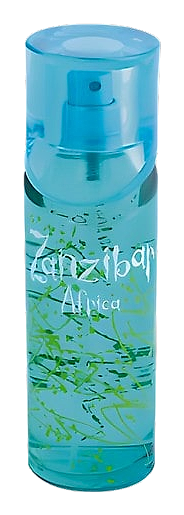
Zanzibar by Alan Bray is a tropical-fruit forward fragrance that reads like a postcard from somewhere warm and sun-soaked. The juice leans on a bold opening of tropical fruit, wild strawberry, and watermelon, the kind of combination that feels less like a perfume and more like a slice of cold fruit handed to you on a hot afternoon. From the first spray, the composition commits to sweetness without apologizing for it, letting the sugary fruit character lead the entire structure rather than hiding it behind greenery or sharp aromatics. As the scent moves through its stages, the watermelon adds a cooling, almost watery quality that softens the strawberry's jammy intensity, while the tropical fruit accord keeps things bright and tropical throughout.
What makes Zanzibar feel cohesive is how the listed notes actually behave together rather than fighting each other for attention. The tropical fruit accord and the wild strawberry share a sugary, candied DNA, so they blend into one another instead of stacking like separate ingredients, and the watermelon threads through both with a clean, slightly watery freshness that keeps the sweetness from turning cloying. The base of musk grounds the composition, adding a soft skin-like warmth that rounds out the brighter fruit without dulling it.
The evolution
Since Zanzibar entered Alan Bray's lineup, it has settled comfortably into the rotation of collectors who reach for juicy, fruit-led scents across multiple seasons rather than treating them as a summer-only indulgence. The formula reads consistently from batch to batch, with the same bright opening, the same blended fruit heart, and the same musky softness in the drydown that wearers come back to. On different skin types, the watermelon note tends to behave as the wildcard, pulling a little greener on some wearers and a little cleaner on others, while the strawberry and tropical fruit accord hold their sugary shape more reliably. As a reference point within tropical-fruit perfumery, Zanzibar sits firmly in the sweet, uncomplicated corner, built for people who want their fruit fragrances to taste like fruit rather than to suggest fruit in a clever, restrained way.
Cultural impact
Zanzibar belongs to a small but visible family of fragrances that commit fully to fruit as the headline ingredient instead of burying it under wood, smoke, or sharp aromatics. Within Alan Bray's catalog, it functions as the entry point for anyone curious about tropical-fruit perfumery, the bottle most newcomers encounter first because of how immediately readable it is on a blotter and on skin. Outside the catalog, it sits comfortably among other indie fruit-forward releases that prioritize sweetness, recognizability, and an almost edible quality over restraint or minimalism.
The House
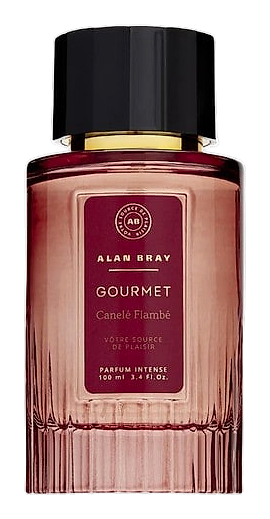
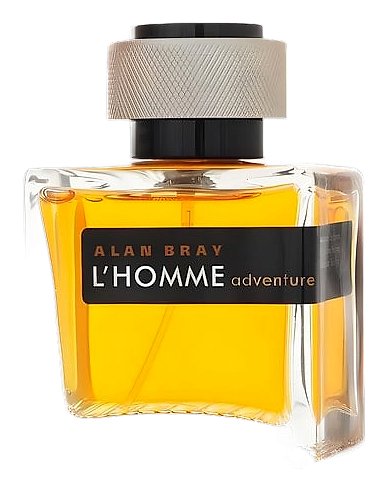
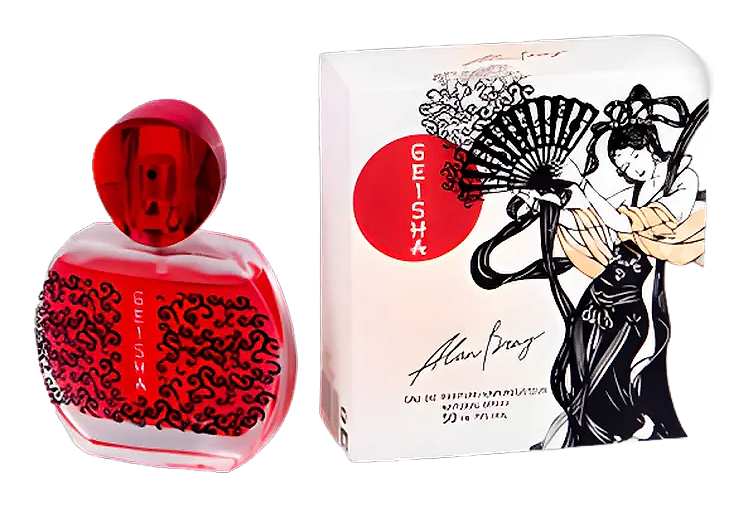
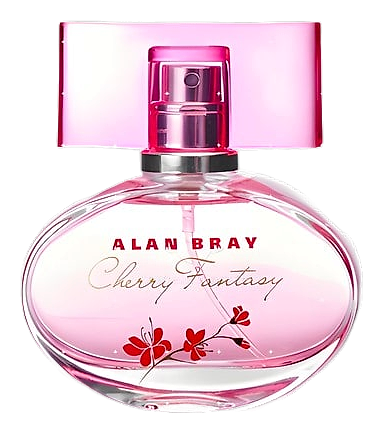
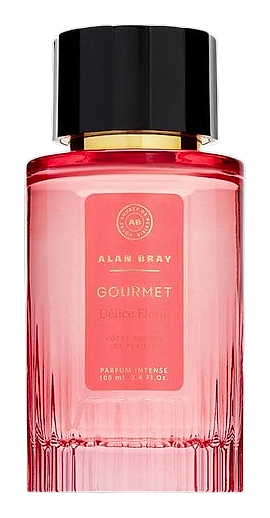
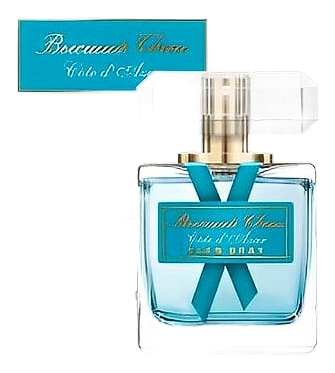
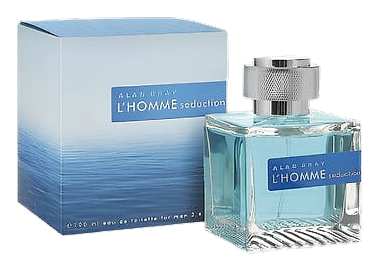
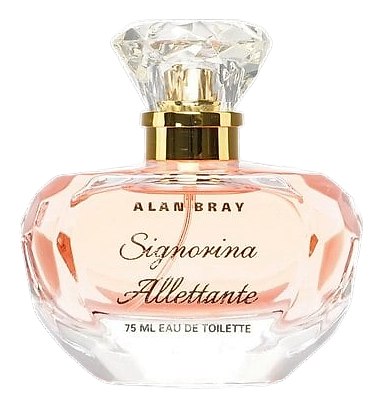
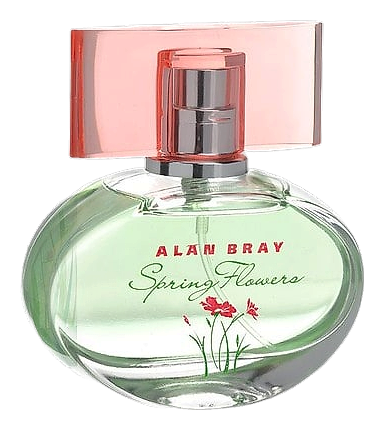
Alan BrayAlan Bray is a niche perfume house that builds a catalogue of more than ninety scents since the early 2000s. The brand releases fragrances that often pair unexpected ingredients, such as cherry and almond in its Canelé Flambé (2024) or the bright floral accord of Spring Flowers (2013). Each launch arrives with a distinct personality, inviting collectors to explore a spectrum that ranges from the masculine L'Homme Noble (2025) to the daring High Society L'Imperatrice (2024). The label operates out of Paris and reaches a global audience through specialty retailers and online platforms.
The Creator
Alan BrayBray’s signature technique rests on a single, bold accord that dominates the composition. In Cherry Almond he pairs bright, fermented cherry with warm, nutty almond oil, letting the two notes intertwine for twelve hours without fading.