Tropical Fruit
Tropical fruit notes capture the sun-drenched essence of mango, passion fruit, coconut, and pineapple in a single accord. Modern perfumery recreates these lush, ripe sensations through precision-crafted aromatic chemicals that mirror nature's most indulgent flavors.
Character
How it smells
Sun-ripened sweetness captured in a fragrance accord.
No tropical fruit has ever survived the extraction process intact. Every mango, passion fruit, or coconut note in perfume is a chemist's precise reconstruction of the real thing.








Origin
India
Tropical fruit notes could not exist in ancient perfumery. The geographical isolation of mango, pineapple, and coconut meant these fruits remained unknown to Mesopotamian, Egyptian, and Mediterranean civilizations.
The mango tree originated in the Himalayan foothills of India over 4,000 years ago, while pineapple cultivation began in South America around the same period. Trade routes eventually spread these fruits across tropical regions, yet perfumery remained grounded in local botanicals.
Tropical fruit as a fragrance category only emerged in the twentieth century when organic chemists developed the analytical techniques to identify and synthesize the specific aromatic molecules that give tropical fruits their characteristic scents. Today, tropical fruit accords represent one of perfumery's most technically sophisticated achievements: recreating the sun-warmed, juicy sensation of exotic fruits that no ancient civilization could have imagined.
Wears it best
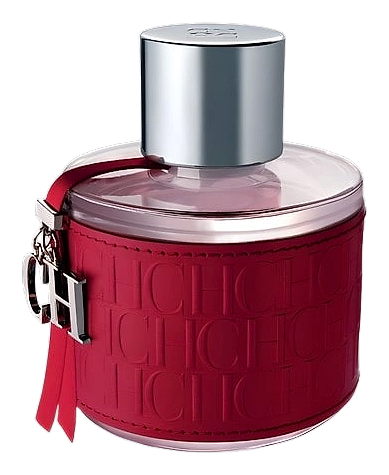
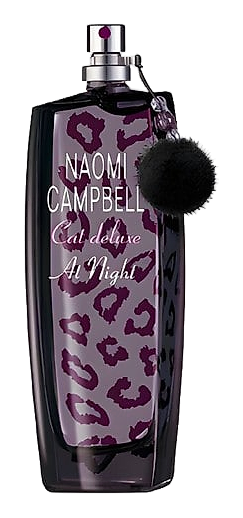
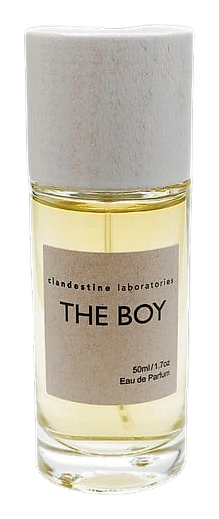
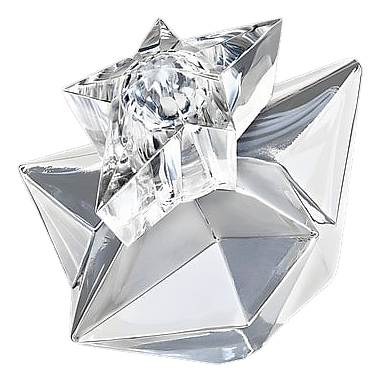
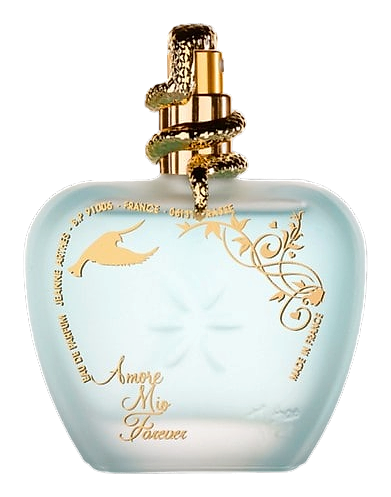
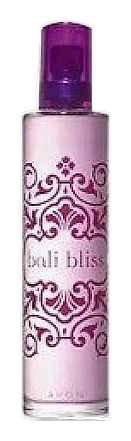
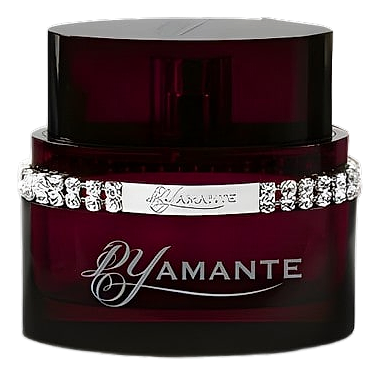
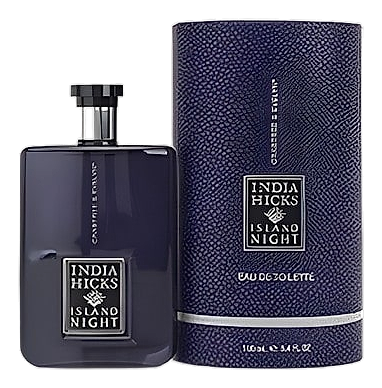
Fragrances featuring Tropical Fruit

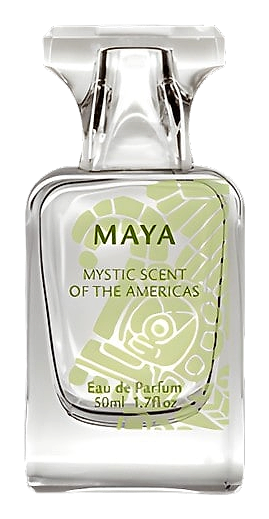
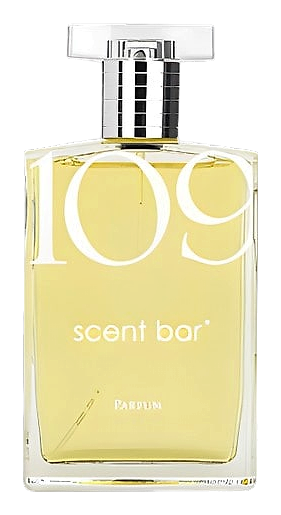
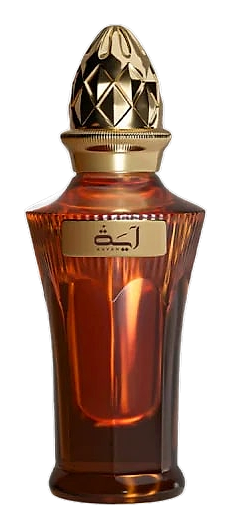
Brands
Brands known for Tropical Fruit
Good to know
Questions, answered
The essentials on Tropical Fruit in perfumery: how it smells, where it comes from, and how it behaves on skin.
Are tropical fruit notes in perfume natural or synthetic?
Tropical fruit notes in perfume are almost entirely synthetic. Natural fruit extracts lack the volatile compounds needed for strong top notes. Perfumers use lab-created aromatic chemicals such as gamma-decalactone and ethyl butyrate to accurately reconstruct tropical fruit scents.
Which tropical fruit appears most frequently in men's fragrances?
Coconut and mango dominate tropical fruit accords in men's fragrances, often paired with woody or aquatic notes. These fruits provide a creamy, sun-warmed quality that blends well with masculine fragrance structures.
Do tropical fruit notes last long in perfume?
Tropical fruit notes typically last four to six hours, depending on concentration and formulation. The volatile aromatic compounds responsible for bright fruit scents evaporate faster than heavier base notes, making them primarily top-to-heart notes.
What other ingredients pair well with tropical fruit in perfumery?
Tropical fruit notes pair well with marine accents, white florals like gardenia and frangipani, coconut, and lightweight woods. These combinations create fresh, vacation-inspired compositions popular in summer fragrances.
How do perfumers create the scent of passion fruit?
Passion fruit scent relies primarily on mercaptans, particularly thioglycolates, which provide the distinctive sulfurous, tropical character. These compounds are used at very low concentrations due to their potency and potential for triggering olfactory fatigue.
Can tropical fruit notes cause allergic reactions?
Some aromatic chemicals used in tropical fruit accords, such as gamma-decalactone, appear on fragrance allergen lists when present above certain thresholds. Reputable brands disclose these compounds in ingredient lists for transparency.
Which tropical fruit notes work best in women's fragrances?
Women's tropical fruit fragrances often feature mango, passion fruit, and lychee notes, frequently combined with white florals or marine elements. These accords create bright, feminine impressions that read as modern and refreshing.
How can I identify tropical fruit notes when testing a fragrance?
Tropical fruit notes present as bright, juicy impressions in the top notes, often with a slightly sweet, almost edible quality. Look for associations with fresh mango, ripe pineapple, passion fruit, coconut, or papaya. These notes typically emerge immediately upon application and fade within the first hour.