The Story
Why it exists.
The beginning
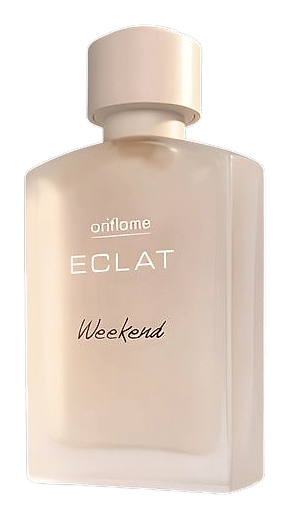
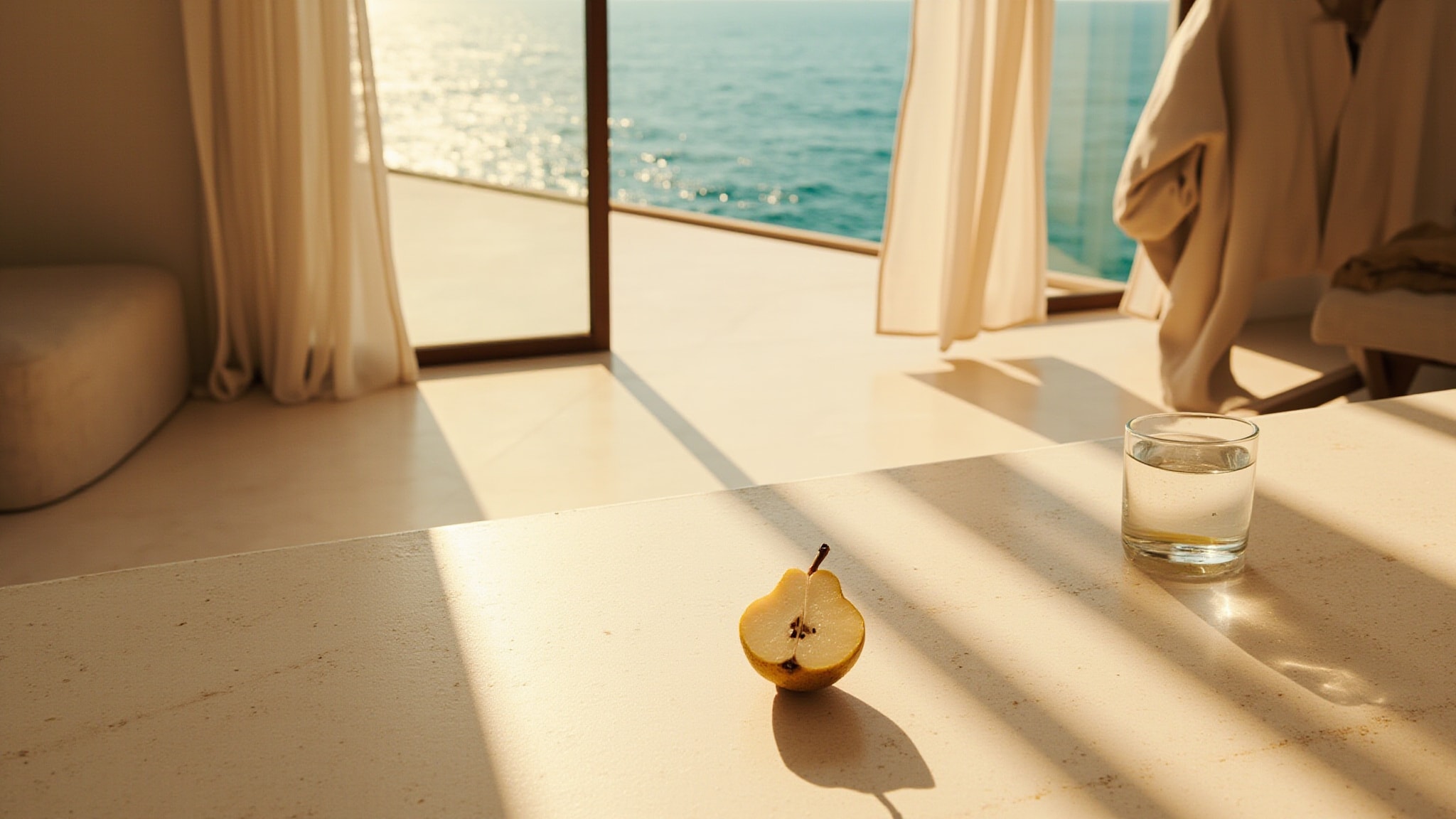
Nathalie Lorson designed Eclat Weekend around a single idea: the feeling of a weekend spent somewhere with water and light. Not the curated version, the real one. Sand in the bag, hair still damp, the hour when the day stops asking anything of you. The French Riviera provided the blueprint: that particular shade of golden afternoon, the coastlines that look painted, the kind of warmth that doesn't demand you perform. Eclat Weekend is an attempt to bottle that unhurried feeling, not luxury, but liberty.
What makes the structure work is the restraint. Fruity-florals often overshoot, too much sweetness, too many notes competing for attention. Here, the pear and bergamot open clean, the florals arrive without announcement, and the base settles into skin rather than screaming into a room. The Taif rose adds a spice that keeps it from being merely pretty. White peach in the drydown echoes the top without repeating it, that skin-warm quality rather than fruit-basket fullness. It's a composition that knows when to step back.
The evolution
The opening is immediate: bergamot's citrus bite followed quickly by pear's soft juiciness. Red currant adds a tartness that keeps it from being saccharine. Within 20 minutes, the florals take over, lotus first, then frangipani's tropical creaminess. The rose doesn't announce itself; it threads through. Bamboo leaf appears as a green undertone, fresh without being sharp. By the second hour, the composition softens. White peach arrives in the drydown, blending with musk into something skin-close and warm. Cedar provides the quiet anchor. The whole arc takes about 4-6 hours on most skin types, leaving a faint sweetness that lingers like the last hour of sunlight.
Cultural impact
Eclat Weekend arrived in 2011 as part of Oriflame's push into the accessible luxury fragrance space during a decade when mass-market brands increasingly competed with niche offerings. The scent reflected the era's appetite for light, easy-to-wear fruity-florals that promised escapism without demanding attention. Its French Riviera inspiration tapped into lifestyle marketing trends that associated fragrances with aspirational travel and leisure. The composition, while not achieving cult status, carved out a loyal following among consumers seeking quality and wearability at democratic prices. The 2011 launch positioned the fragrance within a broader movement of affordable Western perfumery trying to capture the casual elegance of premium competitors.