
The Story
Why it exists.
The beginning
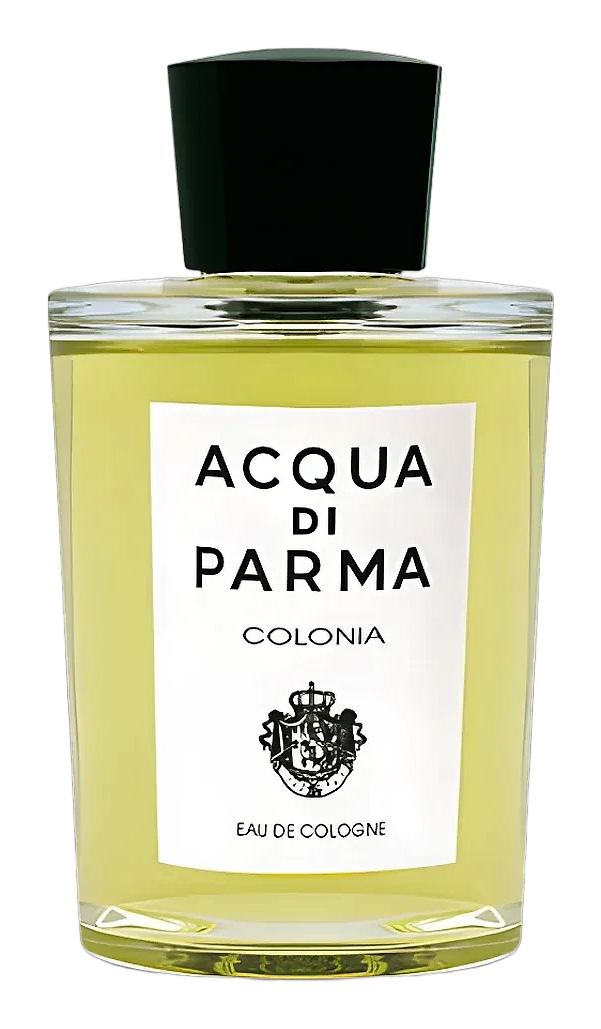
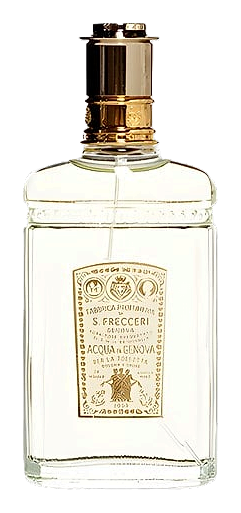
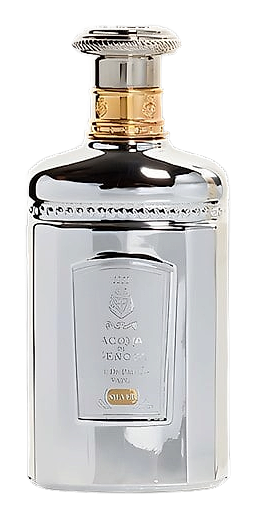
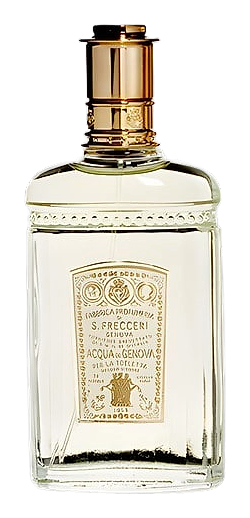
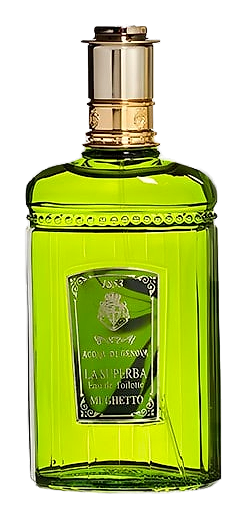
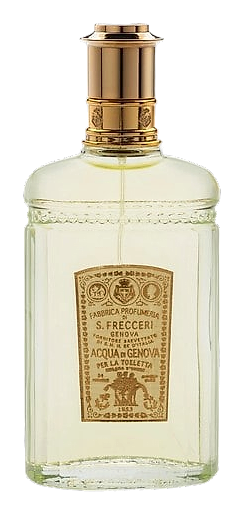
Colonia Classica was created in 1853 by Stefano Frecceri, a respected perfumer-distiller working in Genoa. Frecceri delivered a composition that read as clear, bright, and unmistakably Italian. The name Acqua di Genova paid tribute to his city, to its maritime heritage, and to the sea breeze that informed the opening accord. What set the formula apart was its transparency. No heavy orientals, no dense balsams. A citrus-forward cologne built on neroli, bergamot, and a careful hand with lavender and rosemary, where each ingredient holds its own space without crowding the others. The neroli opens with a green, slightly bitter lift, the bergamot brightens and rounds it, and the lavender and rosemary arrive almost immediately as a cool herbal thread running through the citrus.
What makes the 1853 formula worth studying is its restraint. A modern citrus cologne often piles on the aromatics to project further. Frecceri's version lets each ingredient hold its own space without crowding the others. Neroli supplies the lift. Bergamot and Amalfi lemon keep the sunlight. Rosemary and lavender add a Mediterranean herbal edge that prevents the whole thing from reading as a simple lemon splash. The heart stays tight and floral with rose, jasmine, and orange blossom. No one note dominates. The composition earns its longevity through the base of musk, amber, patchouli, and sandalwood, which grounds the airy top with just enough warmth.
The evolution
The first 20 minutes belong to the citrus. Bergamot opens with a cold, almost metallic brightness, and the Amalfi lemon slices through it with something riper, less austere. Neroli softens the edges, orange blossom underneath adds a faint honeyed sweetness, and rosemary gives the whole thing a Mediterranean garrigue quality, like crushed herbs between warm fingers. The lavender arrives gradually, not as a fougère signal but as part of the herbal breeze. By the 45-minute mark the florals take over. Rose and jasmine surface together. There's no indolic punch, no loud soliflors dominating. The heart reads as a single white-gold breath of petals, grounded just slightly by the herbs that never fully leave. The drydown settles after about 4-6 hours into a warm, slightly powdery base. Musk and amber do most of the quiet work, patchouli adds a dry earthiness, and sandalwood gives the close something smooth and almost creamy. What lingers on skin the next morning is a faint, clean trace of amber and neroli. It does not shout. It was never built to.
Cultural impact
Colonia Classica wears as the house's founding statement, the 1853 composition that anchors the line and sets its tone. It reads as a fragrance for someone whose taste pre-dates current trends, the sort of scent that works in any decade rather than belonging to one. The opening is bright neroli and bergamot, lifted by a cool thread of lavender and rosemary that arrives quickly and stays close. It wears lightly at first, like an eau de cologne should, the citrus softening within the first hour while the herbal notes hold their shape underneath. There is no sweetness pulling at it, no dense base to thicken the drydown.
The House
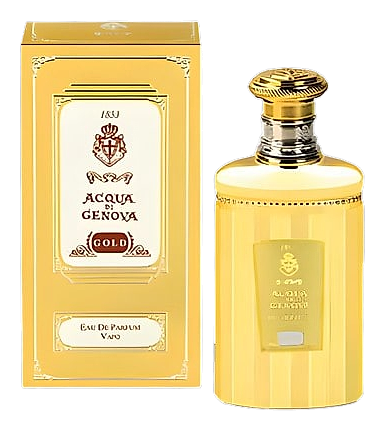
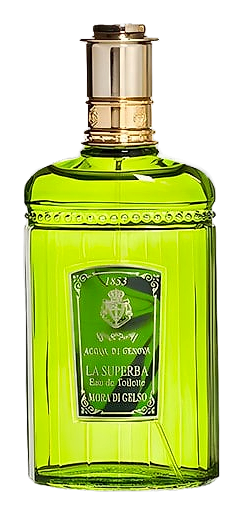
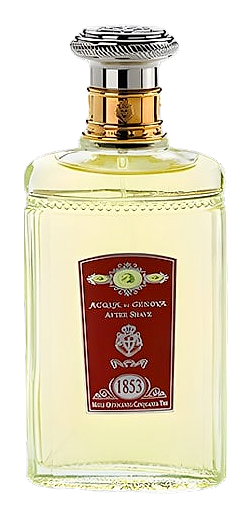
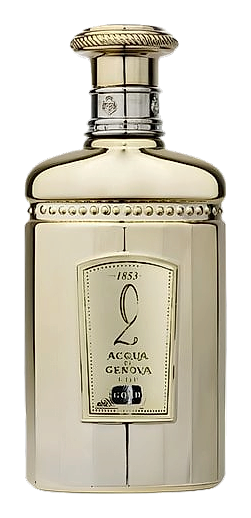
Acqua di GenovaAcqua di Genova traces its scent heritage to the mid‑nineteenth century, when a Genoese distiller crafted a citrus‑forward eau de cologne for the Royal House of Savoy. The brand keeps that classic Italian spirit alive in every bottle, offering a line that balances bright citrus, subtle florals and refined herbs. Today the house supplies both historic blends and contemporary releases, inviting collectors and casual wearers alike to experience a scent that feels both timeless and immediate.
The Creator
Stefano FrecceriAs both distiller and perfumer, Frecceri brought technical precision to his compositions. His classical Italian approach favored citrus as a structural foundation, reflecting Genoese tradition and the broader Mediterranean cologne aesthetic.