    Brand Profile

    Acqua di Genova traces its scent heritage to the mid‑nineteenth century, when a Genoese distiller crafted a citrus‑forward eau de cologne fo…More

    Italy·Est. 1853

    3.7

    Rating

    22
    Gold Plate City of New York 1974 by Acqua di Genova
    Best Seller
    4.5

    Gold Plate City of New York 1974

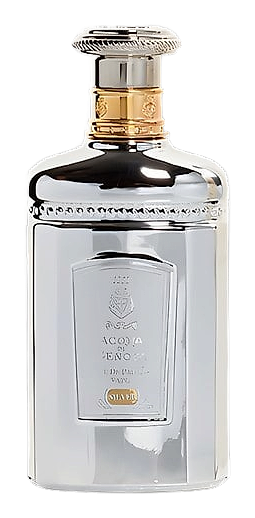
    Silver by Acqua di Genova
    Best Seller
    4.5

    Silver

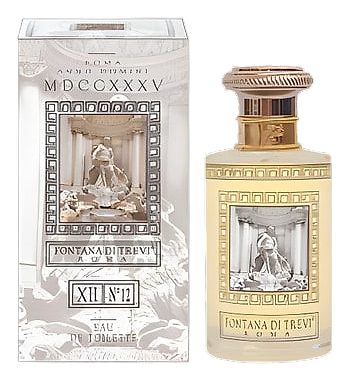
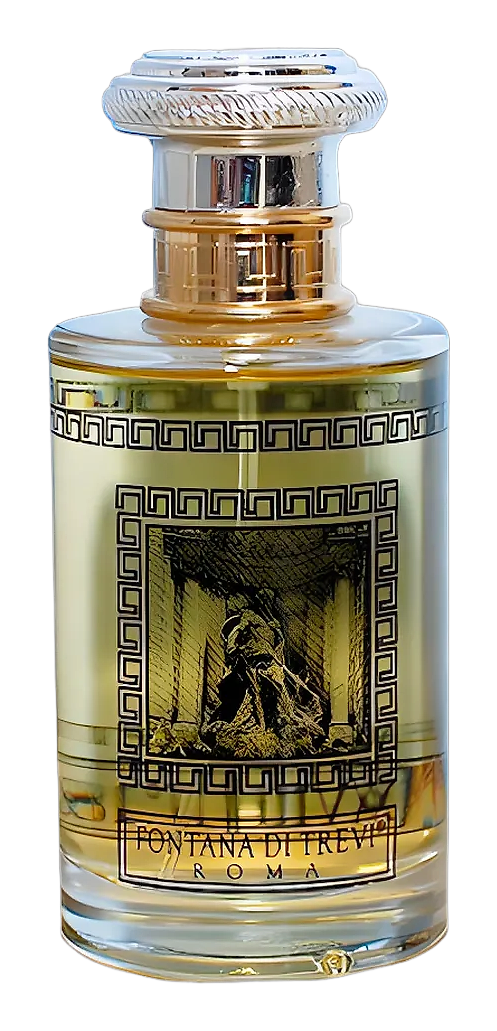
    Fontana di Trevi XII by Acqua di Genova
    Best Seller
    4.5

    Fontana di Trevi XII

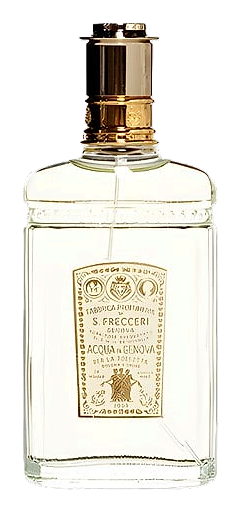
    Colonia Classica by Acqua di Genova
    4.3

    Colonia Classica

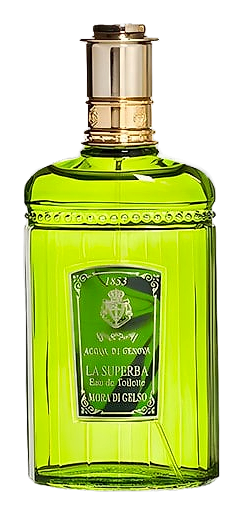
    Mora Di Gelso by Acqua di Genova
    4.2

    Mora Di Gelso

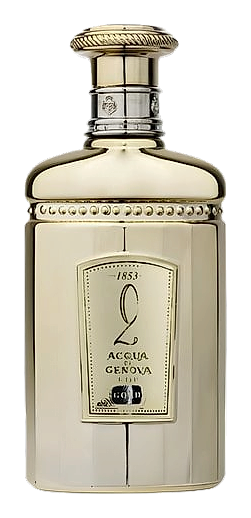
    Gold 2 by Acqua di Genova
    4.2

    Gold 2

    Genes by Acqua di Genova
    4.2

    Genes

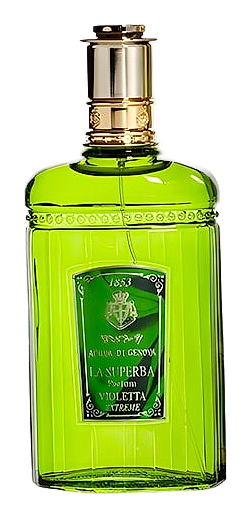
    Violetta Extreme by Acqua di Genova
    4.2

    Violetta Extreme

    1853 Man by Acqua di Genova
    4.2

    1853 Man

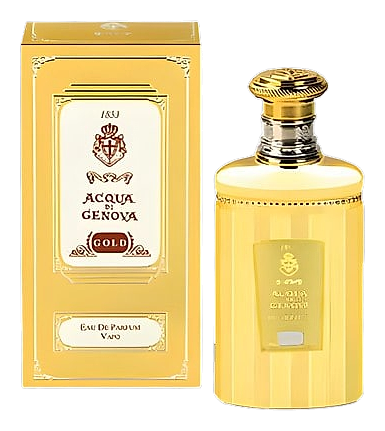
    Gold by Acqua di Genova
    4.1

    Gold

    Contessa di Castiglione Lady Gold by Acqua di Genova
    4.0

    Contessa di Castiglione Lady Gold

    Fontana di Trevi XIV by Acqua di Genova
    4.0

    Fontana di Trevi XIV

    1 of 2

    The Heritage

    The Story of Acqua di Genova

    Acqua di Genova traces its scent heritage to the mid‑nineteenth century, when a Genoese distiller crafted a citrus‑forward eau de cologne for the Royal House of Savoy. The brand keeps that classic Italian spirit alive in every bottle, offering a line that balances bright citrus, subtle florals and refined herbs. Today the house supplies both historic blends and contemporary releases, inviting collectors and casual wearers alike to experience a scent that feels both timeless and immediate.

    Heritage

    In 1853 Stefano Frecceri, a respected perfumer‑distiller in Genoa, created a cologne for the Royal House of Savoy. Contemporary accounts describe the fragrance as a clear, sparkling blend that quickly earned a reputation among aristocratic circles. Frecceri named the scent Acqua di Genova, a tribute to the city’s maritime heritage and to the fresh sea breezes that inspired its opening notes. The original formulation, known as Colonia Classica, entered the market the same year and set a benchmark for Italian cologne making. Throughout the late nineteenth and early twentieth centuries the house expanded its catalogue, adding variations that retained the signature citrus heart while exploring new aromatic families. The brand survived two world wars, maintaining production in Genoa despite material shortages and shifting trade routes. After the war, Acqua di Genova modernised its facilities, integrating emerging distillation technologies while preserving the hand‑crafted ethos of its founder. In the early twenty‑first century the house introduced a series of limited releases, including Mora Di Gelso (2008) and Violetta Extreme (2008). These scents demonstrate the brand’s willingness to reinterpret classic structures with contemporary ingredients, yet they still echo the bright, clean spirit of the 1853 original. The company now operates under the umbrella of Intercosma West, a larger fragrance group that supports its distribution while allowing the brand to retain creative control over its historic formulas. Acqua di Genova continues to celebrate anniversaries of its flagship cologne, most recently marking the 170th anniversary of Colonia Classica with a special edition that revisits the original recipe using modern sourcing standards.

    Craftsmanship

    Acqua di Genova produces its fragrances in a workshop that blends nineteenth‑century craftsmanship with twenty‑first‑century technology. Master distillers begin by selecting raw botanicals that meet strict organoleptic criteria; each batch of bergamot, orange and lemon undergoes a sensory test before it is cold‑pressed. The resulting essential oils are then filtered through copper stills, a method that dates back to the house’s founding and that preserves the bright, volatile top notes. For floral and herbal components, the house employs steam distillation and solvent‑free CO₂ extraction, ensuring that delicate aromatics retain their nuance. After extraction, perfumers layer the ingredients in a controlled environment, measuring each addition with precision scales. The formulation process follows a documented protocol that references the original 1853 recipe, allowing the team to compare new blends against the historic benchmark. Quality control occurs at multiple stages. Samples are evaluated by a panel of senior noses who assess balance, projection and longevity. The house also conducts stability testing, storing vials at varying temperatures to confirm that the scent maintains its character over time. Once a formula passes these checks, the perfume is transferred to glass bottles that are hand‑filled in a cleanroom to avoid contamination. The final product bears the Acqua di Genova seal, a mark that indicates compliance with both the brand’s heritage standards and contemporary safety regulations. Through this layered approach—rigorous ingredient selection, traditional extraction, precise blending, and thorough testing—Acqua di Genova delivers fragrances that echo the clarity of its original cologne while meeting modern expectations for purity and performance.

    Design Language

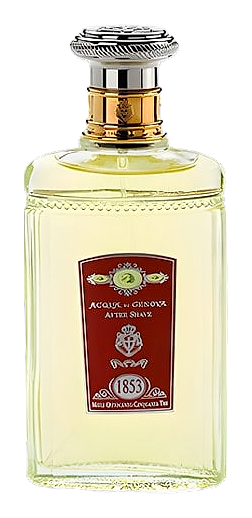
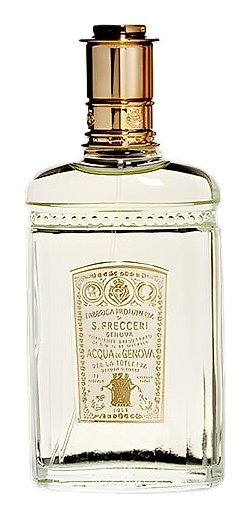
    The visual language of Acqua di Genova mirrors the clean lines of its scents. Bottles feature a slender, cylindrical silhouette that recalls classic Italian cologne flacons from the nineteenth century. Transparent glass showcases the pale amber or citrus‑yellow hue of the liquid, while a simple metal cap adds a subtle industrial touch. The label employs a restrained serif typeface, printed in deep navy or black, with the brand name centered above the year of creation. This typographic choice underscores the house’s historic roots without overwhelming the eye. Packaging often incorporates a subtle wave motif, a nod to the maritime heritage of Genoa and to the brand’s name, which translates to “Water of Genoa.” The motif appears as a faint embossing on the glass or as a tonal pattern on the outer box, providing texture without resorting to overt ornamentation. Color palettes stay within muted earth tones and soft blues, reinforcing the idea of calm, clear water. Advertising imagery favors natural light and architectural backdrops that evoke the port city’s stone facades and sun‑lit promenades. Models are presented in relaxed poses, suggesting that the fragrance is meant for everyday elegance rather than theatrical drama. This aesthetic consistency across bottle, packaging and visual communication creates a cohesive brand image that feels both historic and contemporary, inviting the wearer to experience a scent that is as refined as the design that contains it.

    Philosophy

    Acqua di Genova frames its creative vision around the idea of clarity. The house believes that a fragrance should convey a place as directly as a photograph, so it prioritises transparent compositions that let each ingredient speak. It respects the balance of citrus, floral and herbal accords that defined the 1853 cologne, treating those elements as a foundation rather than a constraint. The brand values authenticity, sourcing raw materials from regions with a documented history of quality—Italian bergamot from Calabria, Provençal lavender, and Tuscan violet leaf. It also embraces sustainability, favouring suppliers that practice responsible harvesting and that can trace their crops back to the same vineyards used a century ago. The creative team approaches each new launch as a dialogue with the past. Rather than chasing trends, it asks how a modern scent can echo the crispness of a Genoese summer while offering a fresh narrative for today’s wearer. This mindset leads the house to blend traditional extraction methods, such as cold‑pressing citrus peels, with contemporary techniques like micro‑encapsulation for longevity. The result is a line that feels both historic and current, inviting users to experience a scent that is rooted in a specific time and place yet remains relevant in the present moment.

    Key Milestones

    1853

    Stefano Frecceri creates Acqua di Genova cologne for the Royal House of Savoy and launches Colonia Classica in Genoa.

    1900

    The house expands its catalogue, adding new citrus‑herbal blends while maintaining the original production methods.

    1945

    Acqua di Genova resumes full production after World War II, preserving its historic formulas despite material shortages.

    2008

    The brand releases contemporary scents Mora Di Gelso and Violetta Extreme, demonstrating a modern reinterpretation of classic structures.

    2023

    Acqua di Genova celebrates the 170th anniversary of Colonia Classica with a limited‑edition release that revisits the original recipe using sustainably sourced ingredients.

    At a Glance

    Brand profile snapshot

    Origin

    Italy

    Founded

    1853

    Heritage

    173

    Years active

    Collection

    1

    Fragrances released

    Avg Rating

    3.7

    Community sentiment

    Release Rhythm

    2011
    1
    2010
    2
    2008
    6
    1853
    7

    Did You Know?

    Interesting Facts

    Distinctive details and defining moments that shape the house personality.

    01

    The original 1853 formula was commissioned by the Royal House of Savoy, making the scent one of the earliest examples of a perfume created for a specific royal patron.

    02

    Acqua di Genova still uses cold‑pressed citrus peels in its top‑note extraction, a technique that dates back to the brand’s founding workshop.

    03

    The brand survived both World Wars without relocating its production, a rarity among European perfume houses of its age.

    04

    Acqua di Genova operates under the parent company Intercosma West, which provides modern distribution while the brand retains control over its historic recipes.