The Story
Why it exists.
The beginning
Rovo Nero arrived in 2008 from Acqua di Genova, Stefano Frecceri crafting something that stepped away from the house's signature citrus clarity. The name means 'black bramble', a reference to the dense, thorny undergrowth found along the Italian coast. Frecceri wanted to capture that contrast: the brightness of Ligurian air against the darkness of the forest floor. It's a fragrance built on tension, light and shadow, fresh and earthy, the polite surface and something wilder underneath.
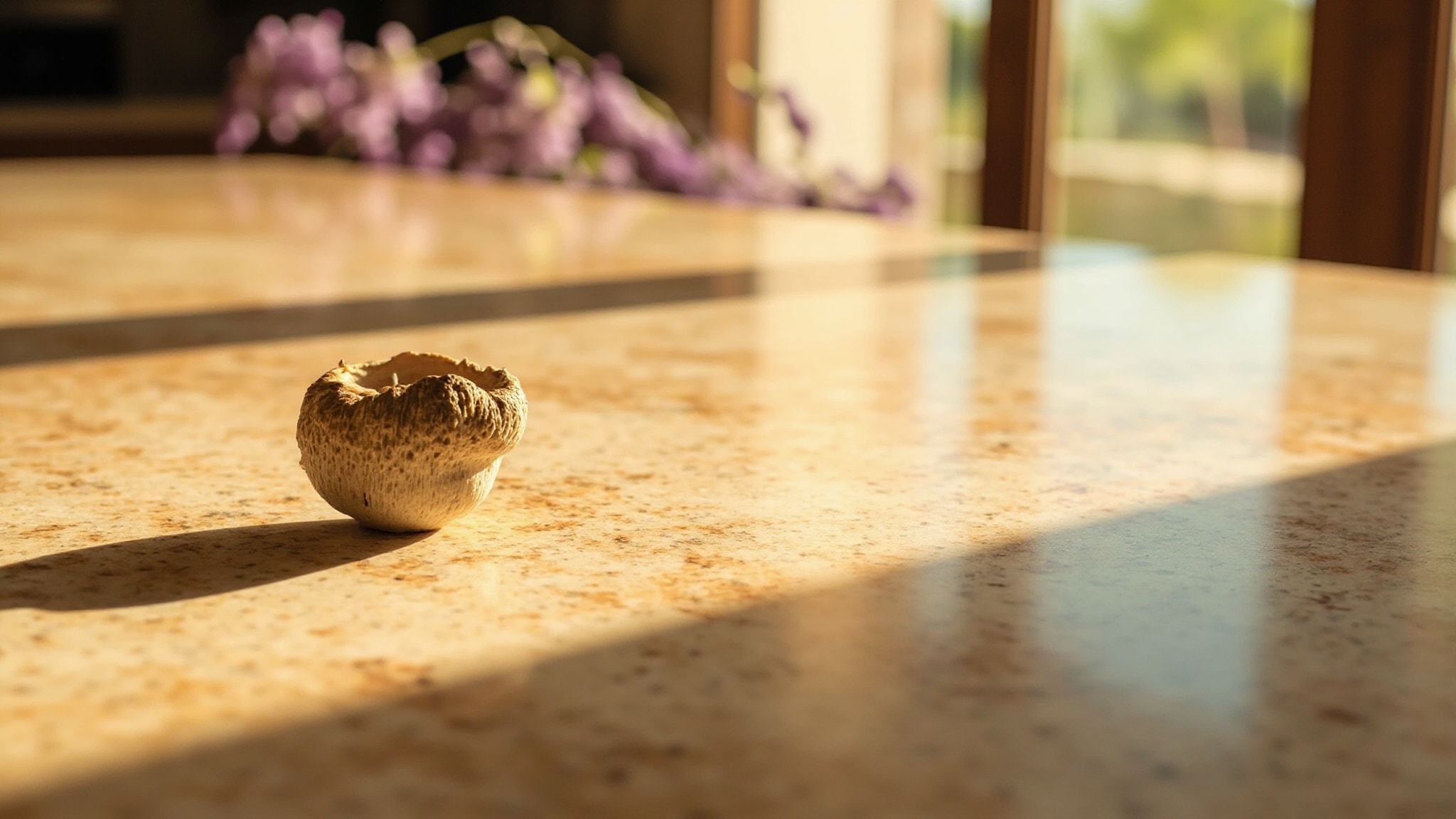
What makes Rovo Nero distinctive is the boletus edulis, porcini mushroom, anchoring the base. That's not a note you find often. When it works, it adds a forest-floor quality that grounds the florals and keeps the citrus from becoming predictable. Paired with wisteria, it creates a sweetness that isn't fruit or vanilla, something more unusual. The Haitian vetiver and patchouli deepen the earthiness while sandalwood and white musk add warmth. It's a composition that rewards patience, revealing different facets over hours.
The evolution
The opening is all citrus, bergamot, lime, lemon, sharp and immediate, the kind of brightness that announces itself without apology. Within twenty minutes, the rose appears, joined by lily of the valley and violet. The transition isn't dramatic; it's a slow brightening, like clouds thinning in afternoon light. By the second hour, the boletus makes itself known, a quiet earthiness that tempers the florals, making them feel less fragile. Wisteria adds a purple sweetness that seems to come from nowhere and everywhere at once. The drydown settles into patchouli, sandalwood, and vetiver, woody, warm, intimate. Twelve hours later on fabric, there's still something there. Not loud. Not faded. Just present, like a memory of a walk through damp woods.
Cultural impact
Rovo Nero stands as one of the more distinctive releases from a house traditionally associated with classical Italian cologne. The 2008 launch found the fragrance market increasingly crowded with safe, mass-appealing compositions, this one offered something different. The boletus and wisteria combination attracted collectors seeking novelty, while the Italian craft pedigree gave it credibility among purists. It's remained a quiet cult favorite, neither chasing trends nor apologizing for its complexity.