Bougainvillea
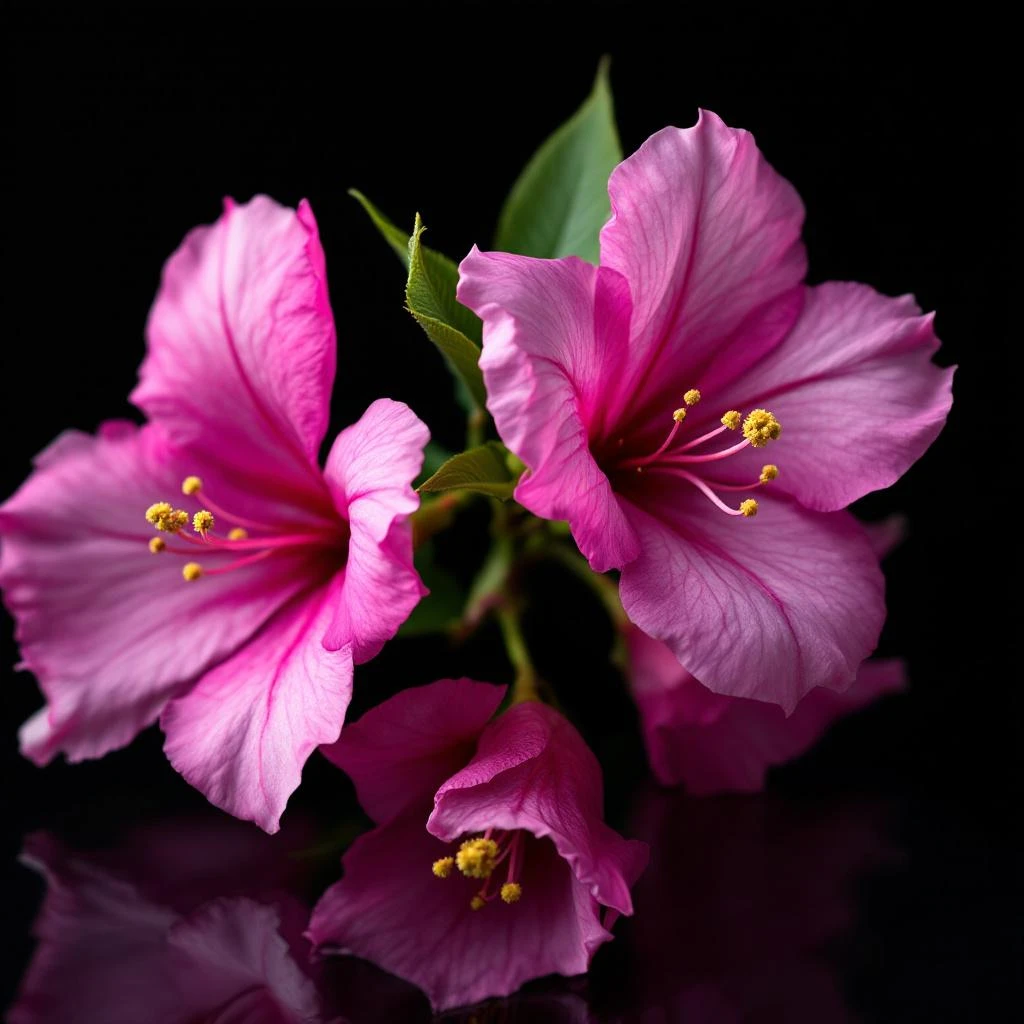
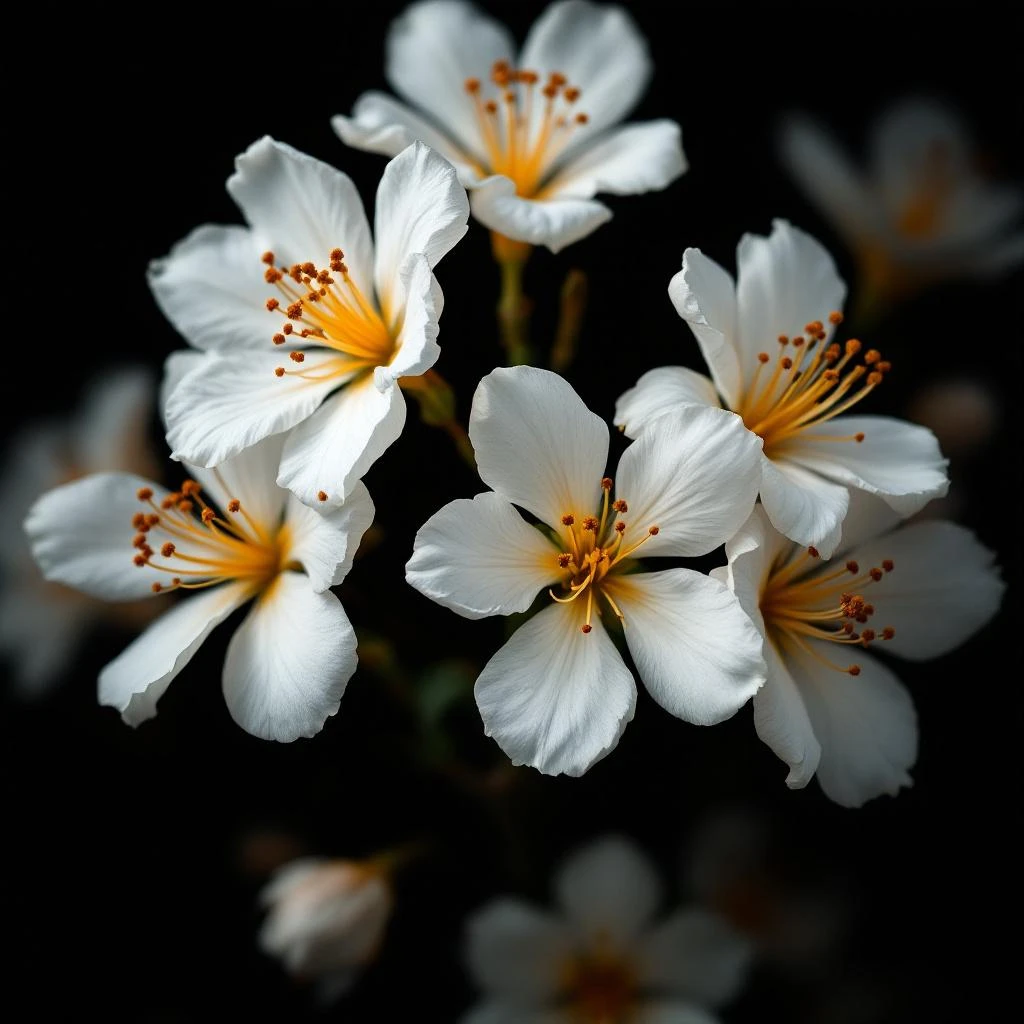
Bright bougainvillea bursts from tropical vines, offering a crisp, citrus‑green aroma that brightens modern blends while echoing its wild, sun‑kissed origins.
Character
How it smells
Tropical zest captured in a single bloom.
Bougainvillea’s vivid bracts are not petals; perfumers extract scent from the tiny true flowers hidden beneath, a fact many garden lovers overlook.





Origin
Brazil
Bougainvillea traces its botanical roots to the Amazon basin, where indigenous peoples admired its vivid bracts long before European contact. Portuguese explorers carried the vine to India and the Caribbean in the 16th century, where it flourished in tropical gardens. By the late 1800s, horticulturists in France introduced bougainvillea to the perfume capital of Grasse, sparking curiosity among perfumers.
The first recorded use of bougainvillea absolute appears in a 1934 French niche fragrance, noted for its fresh, sun‑lit character. Throughout the 20th century, the ingredient remained rare, reserved for experimental blends. In the 2000s, niche houses revived the note, pairing it with citrus and green accords to evoke tropical landscapes without relying on synthetic substitutes.
Today, bougainvillea stands as a symbol of botanical exploration, linking historic garden culture with modern fragrance innovation.
Wears it best
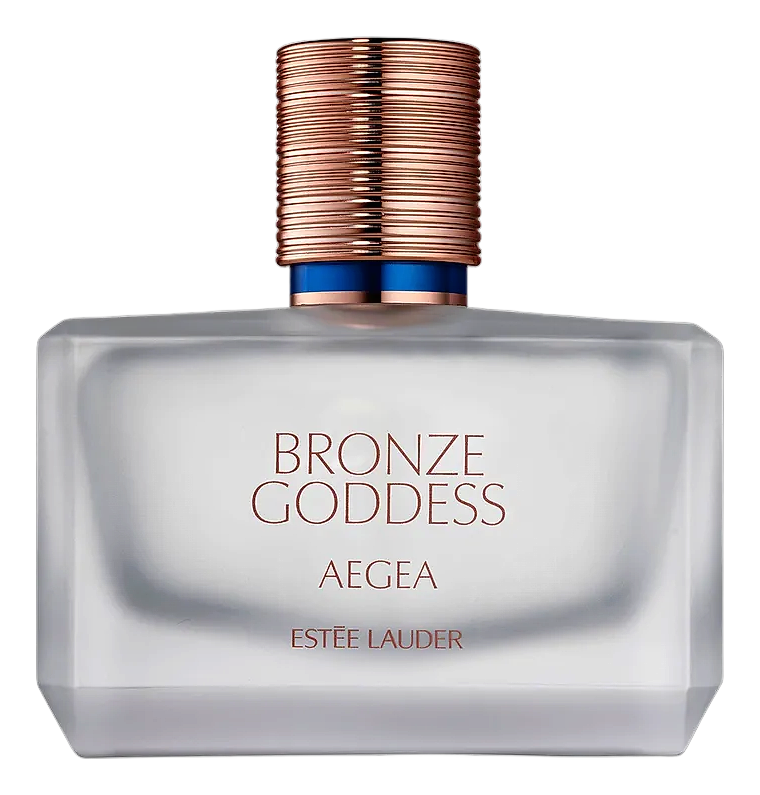
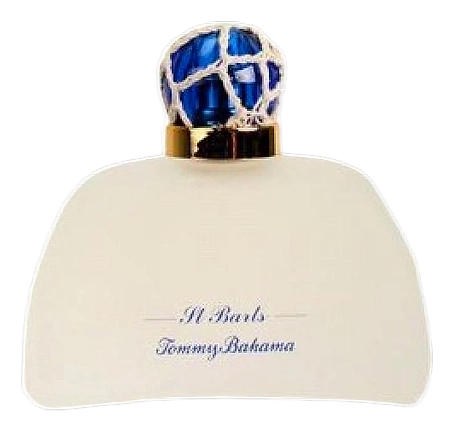
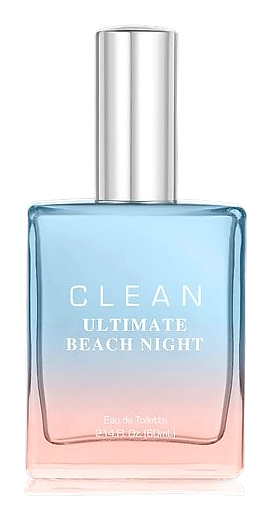
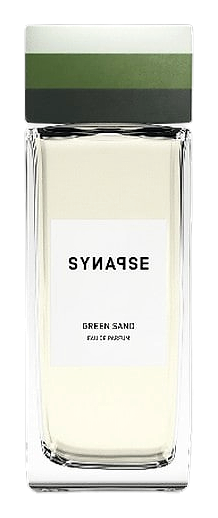
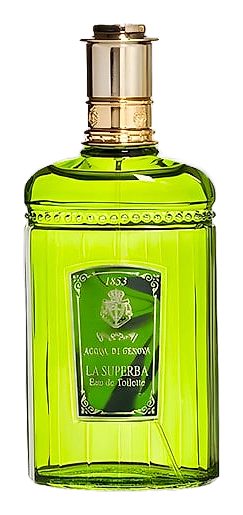
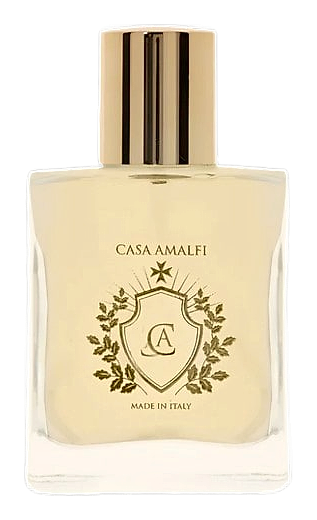
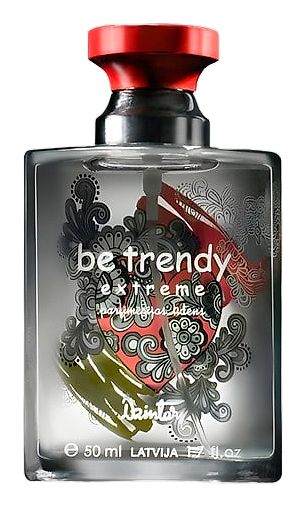
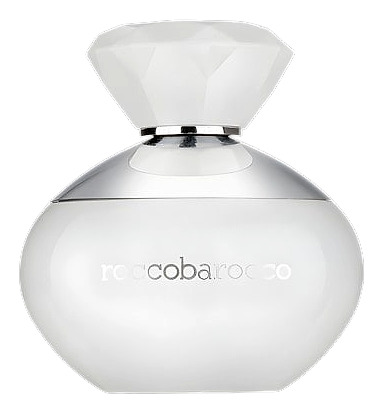
Fragrances featuring Bougainvillea
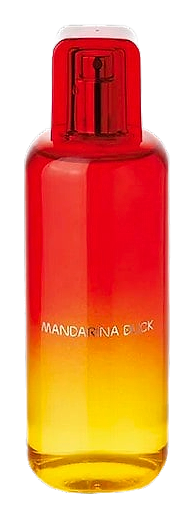
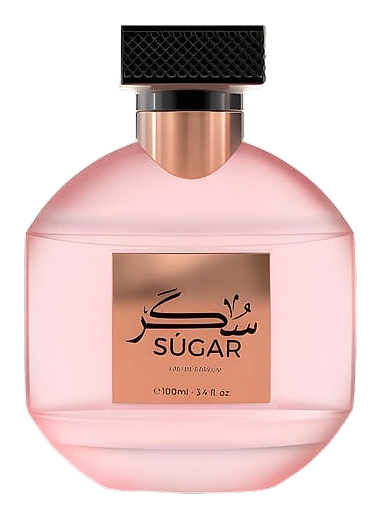
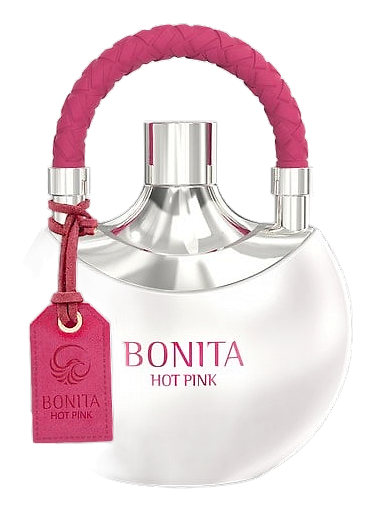
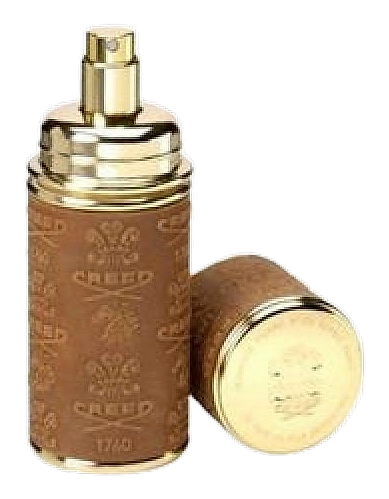
Brands
Brands known for Bougainvillea
Good to know
Questions, answered
The essentials on Bougainvillea in perfumery: how it smells, where it comes from, and how it behaves on skin.
What scent profile does bougainvillea contribute to a perfume?
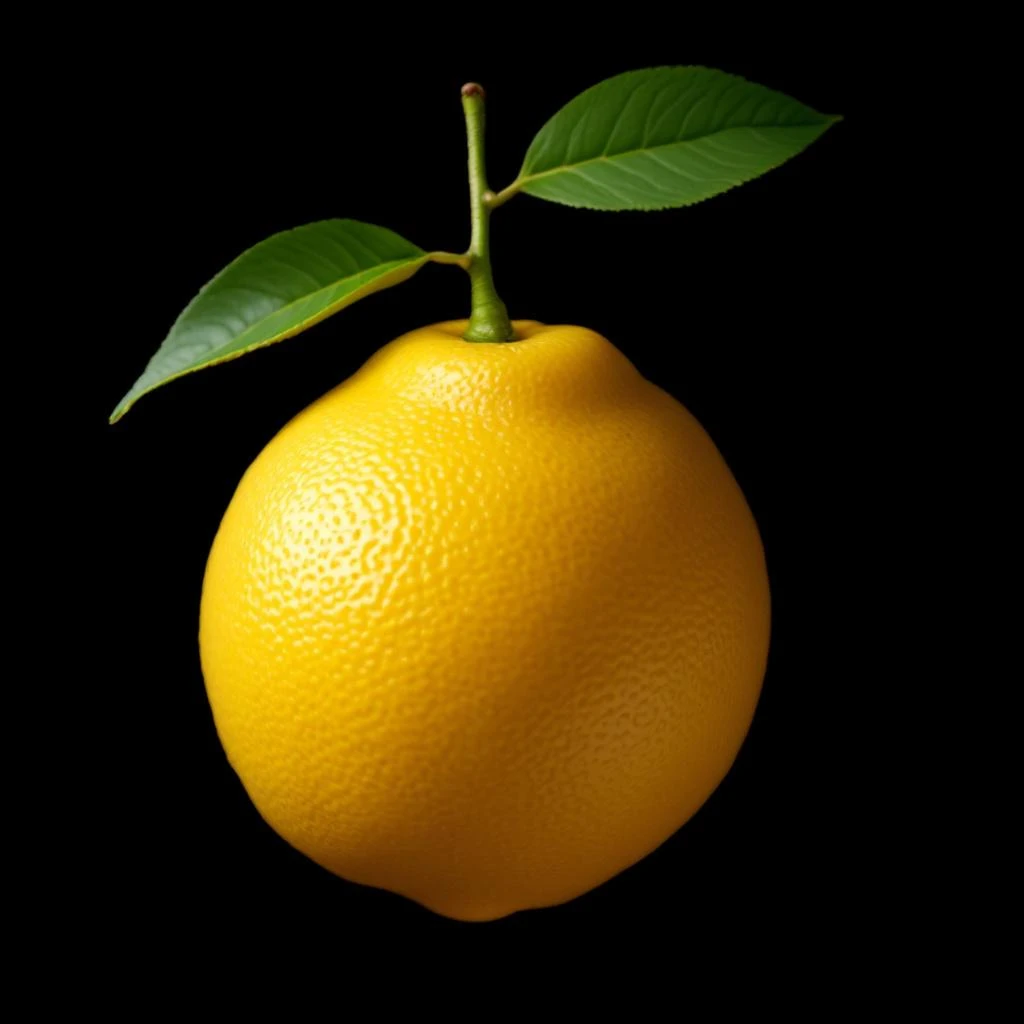
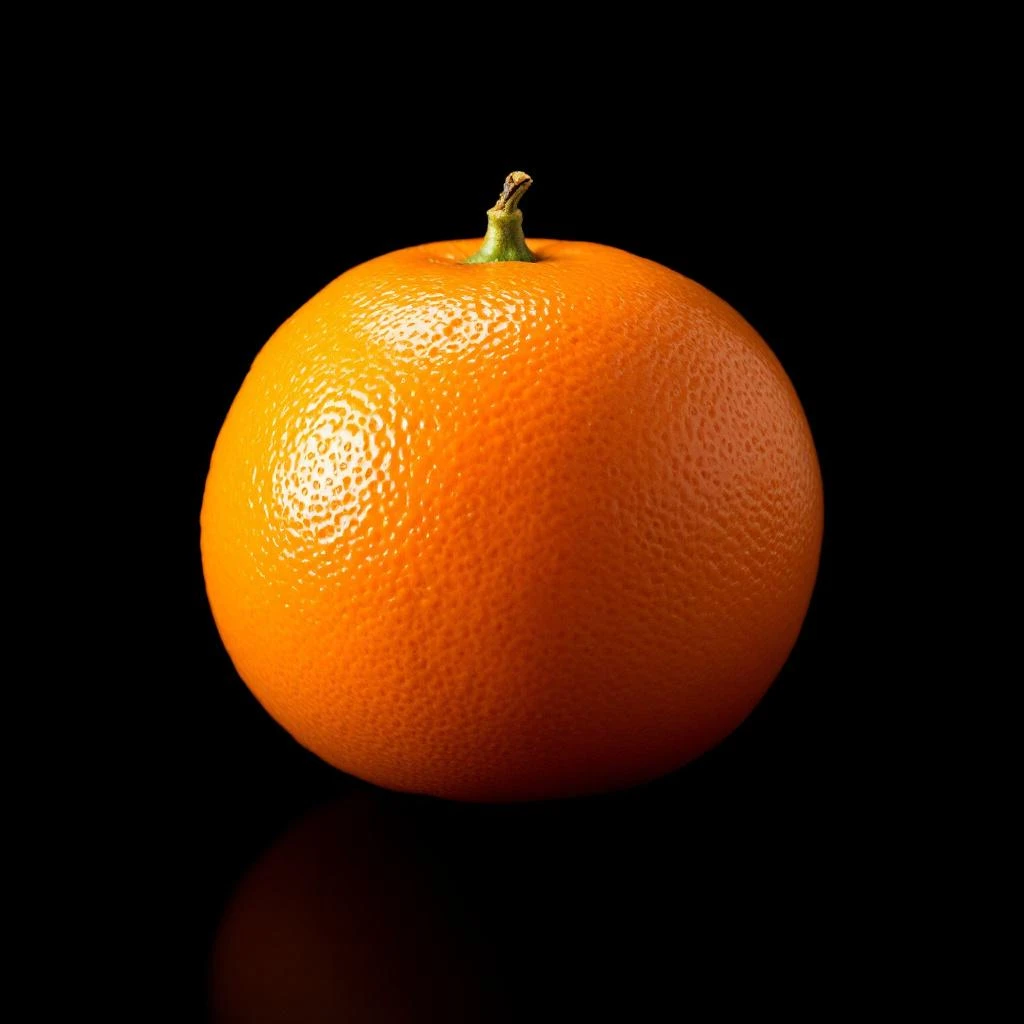
Bougainvillea adds a bright, citrus‑green note with hints of tropical fruit and fresh foliage. A 2022 analysis recorded top notes of orange zest and green leaf at 0.5 % concentration in a niche blend. The effect lifts the composition, creating an immediate sense of summer.
How is bougainvillea fragrance extracted?
Manufacturers extract bougainvillea by solvent extraction of freshly picked flowers. In 2021, a Brazilian lab reported a 0.3 % absolute yield after a 12‑hour maceration in hexane. The resulting thick amber liquid undergoes vacuum distillation to remove solvent traces.
Which part of the bougainvillea plant provides the fragrance?
Perfume creators harvest the tiny true flowers that sit behind the colorful bracts. A 2019 field study counted an average of 12 viable blossoms per bract cluster in cultivated vines. These blossoms release the essential oils when processed quickly after sunrise.
Where does bougainvillea originate?
Bougainvillea is native to the tropical regions of South America, especially Brazil and Peru. Botanical surveys in 2018 documented wild populations along the Amazon basin at elevations between 200 and 600 m.
When did bougainvillea first appear in Western perfumery?
French houses introduced bougainvillea to Western perfumery in the early 1930s. Archives from 1934 show a niche perfume that listed bougainvillea absolute among its top notes. The formulation highlighted the flower’s fresh character alongside traditional citrus accords.
Is bougainvillea considered a sustainable ingredient?
Bougainvillea farms in Brazil practice intercropping, allowing vines to grow alongside food crops. A 2020 sustainability report recorded a 25 % reduction in water use compared with isolated greenhouse cultivation. These practices support soil health and lower the carbon footprint of fragrance production.
Are there any allergen concerns with bougainvillea absolute?
Regulatory bodies list bougainvillea absolute as a potential skin sensitizer at concentrations above 0.1 %. The European Union’s 2021 cosmetics directive cites a patch‑test study where 3 % of participants reacted at 0.2 % exposure. Formulators typically keep the ingredient below 0.05 % in finished products to stay within safe limits.
How long does bougainvillea absolute last on the skin?
Bougainvillea absolute offers moderate longevity, persisting for 4 to 6 hours on average. A 2022 consumer panel measured a 5‑hour scent presence on wrist skin after a single spray of a 2 % concentration. Factors such as skin type and ambient temperature can extend or shorten this window.