The Story
Why it exists.
The beginning
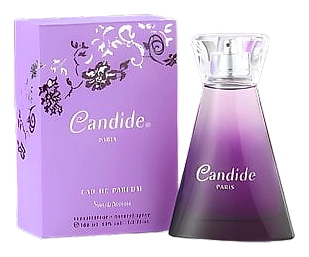
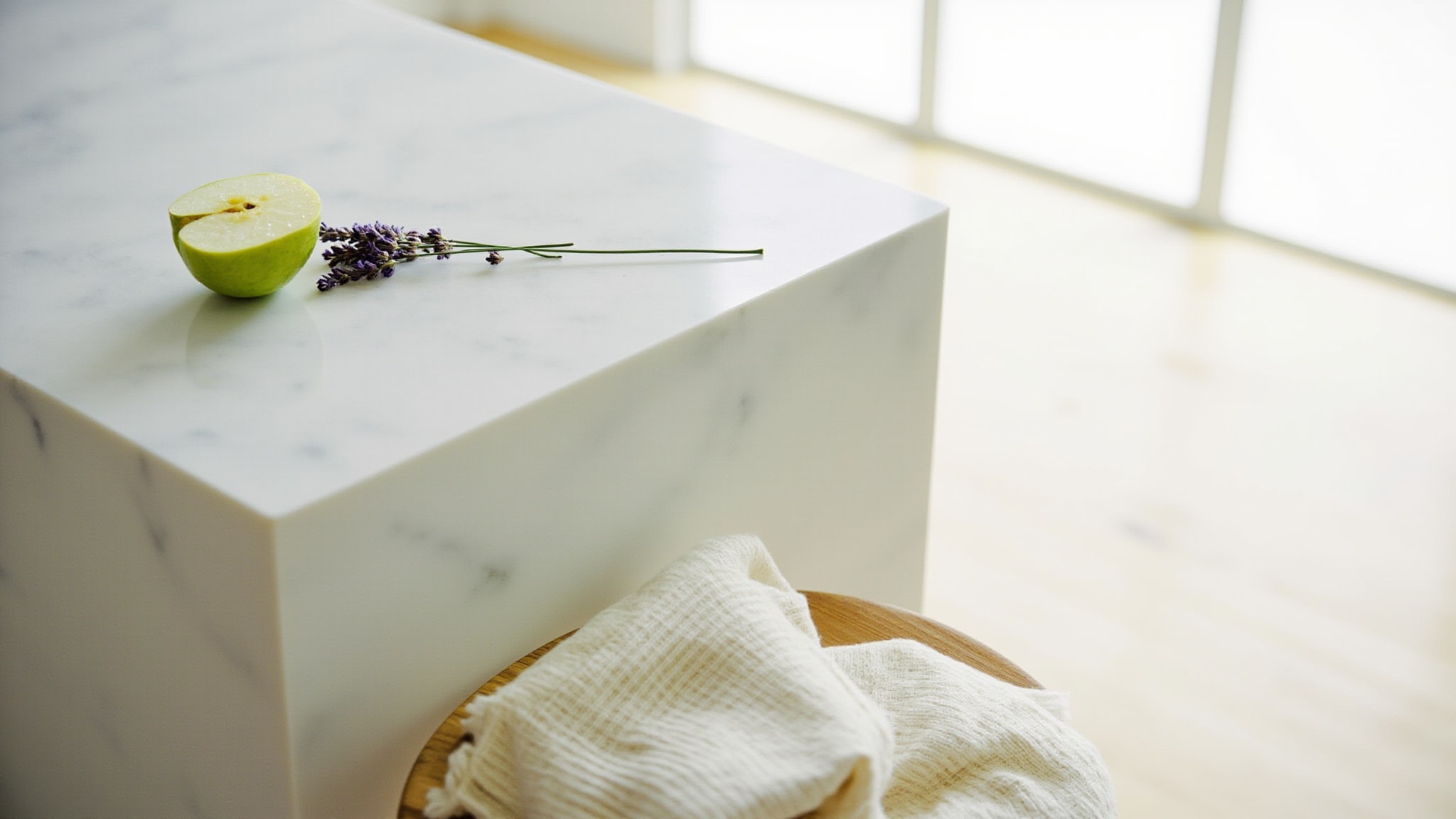
Candide appeared in Yves de Sistelle's catalog at a point when the brand was still building its identity. There's no credited nose in any source consulted, no documented launch event, no press tour, and the exact release year remains unrecorded. What remains is a composition that seems engineered with a clear principle: restraint. So many fruity-florals chase sweetness until they collapse under it. Candide doesn't fall into that trap. The green apple and raspberry open with snap rather than syrup. Lavender arrives in the opening to keep the composition from sliding into candy territory. The whole thing reads like a fragrance designed by someone who wanted elegance to look effortless rather than expensive. The restraint shows in the proportions. Nothing shouts. Nothing overwhelms.
What sets this composition apart is its sequencing. The fruity and herbal top notes feel almost like a separate opening, bright and almost reckless. Then the iris arrives and acts like a gatekeeper. It softens everything, pulls the green and the berry into focus, and lets the floral heart settle rather than sparkle. Iris is the workhorse here. It's not a ghost or a whisper; it carries the middle and gives the whole structure its powdery lift. Pairing that with freesia, jasmine, and rose creates a heart that smells expensive without leaning on any single note to do the heavy lifting.
The evolution
The opening phase is where Candide announces itself. Bergamot gives a quick spark, then the raspberry and green apple take over, sweet enough to register but sharpened by lavender. There's a juicy quality, almost like biting into cold fruit. The blackcurrant threads underneath, adding a green tartness that keeps the sweetness honest. As the composition moves into its heart phase, the shift happens gradually. The fruit doesn't vanish; it recedes, and the iris arrives like someone closing a window. Cool, powdery, slightly root-beer-adjacent in its sweetness. Rose peeks through, softened by jasmine and freesia. Lily of the valley adds a green-white wash. This is the phase that smells like a well-dressed stranger walking past you on a Tuesday. Once the base settles, cedar gives the composition its backbone. Vanilla shows up but behaves itself, more cream than sugar.
Cultural impact
Candide exists as a fruity-floral that prioritizes refinement over spectacle. Among Yves de Sistelle's catalog, it leans more toward the polished floral end rather than the tropical or gourmand offerings in the same range. The composition doesn't aim to revolutionize anything; it simply does its job with quiet competence. What makes a scent like this quietly durable is its refusal to demand attention. It doesn't need to be the loudest composition on the shelf or the most talked-about release of the season. It just needs to smell put-together on a regular Tuesday, and it manages that without fuss.