
The Story
Why it exists.
The beginning
Chess Club arrived in 2012, a statement of intent from a French brand that understood its audience. The name itself is the brief: intellectual, strategic, quietly dominant. Not the loudest player in the room, the one who wins before the game ends. Yves de Sistelle built its catalog on compositions that deliver distinct scent profiles without premium pricing, and this fragrance is a clean expression of that philosophy. The tobacco-vanilla axis was already well-trodden territory by 2012, but Chess Club staked its claim on a different kind of wearability, less declaration, more conversation.
What makes Chess Club interesting is its restraint. The cinnamon in the opening could have gone spicy-warm and obvious, but it stays measured, a pulse of heat rather than a blaze. The lavender throughout is the structural choice that keeps everything grounded, preventing the tobacco and vanilla from sliding into pure comfort. It's a fragrance that could have been louder and chose not to be. That restraint is also what makes it divisive: some wearers want the tobacco to dominate, others want the vanilla to linger, and the composition keeps both in check. The leather in the heart is more concept than presence, it's the memory of leather, not leather itself.
The evolution
The opening hits with lemon brightness and lavender aromatics, the cinnamon threading through as warmth. Thirty minutes in, the citrus fades and the tobacco takes over, not smoky or aggressive, but present, certain. The leather doesn't announce itself; it surfaces as the tobacco settles, adding weight without drama. By hour three, the vanilla arrives, soft and powdery, and the whole composition shifts from aromatic-spicy to warm-sweet. The drydown is where Chess Club earns its reputation: eight to ten hours on most skin, a skin-close musk-vanilla that lingers into the next morning. Moderate sillage means it stays with you, not the room. On fabric, it lasts longer, the vanilla settles into cotton and stays.
Cultural impact
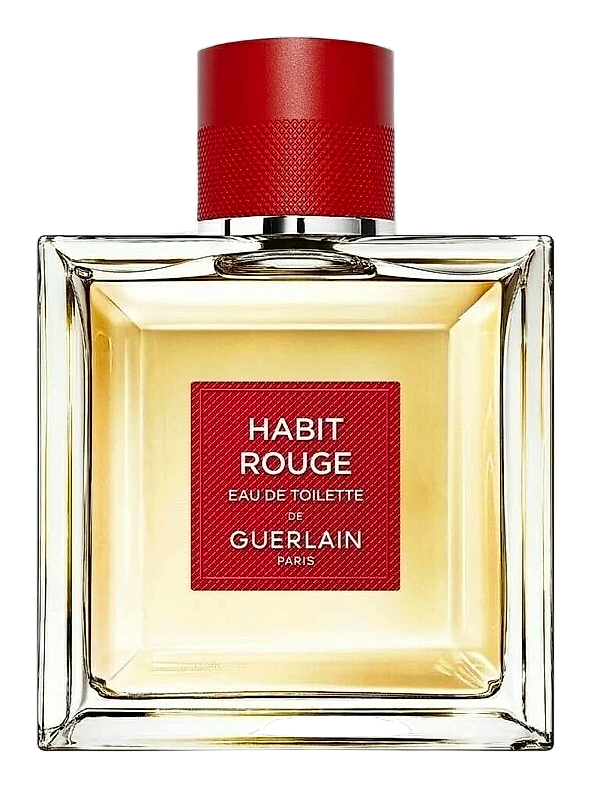
Chess Club arrived during a period when tobacco and vanilla compositions were becoming mainstream, the success of Tom Ford Tobacco Vanille and Guerlain Habit Rouge had primed the market for warm-spicy men's fragrances. What distinguished Chess Club was its restraint: less statement, more whisper. The fragrance found its audience among wearers who wanted the aesthetic of tobacco-vanilla without the projection or drama. In the years since, it occupies a particular niche, not a hype fragrance, not a closet staple, but a considered choice for someone who knows what they want.