












Heritage
A house, in its own words
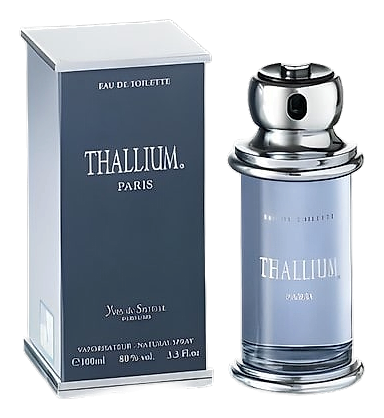
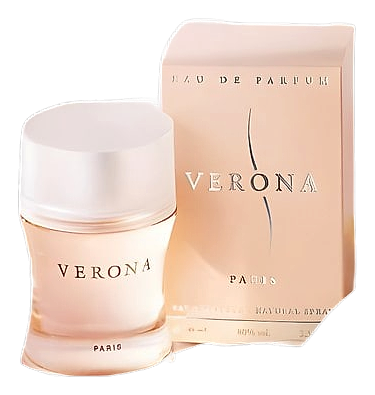
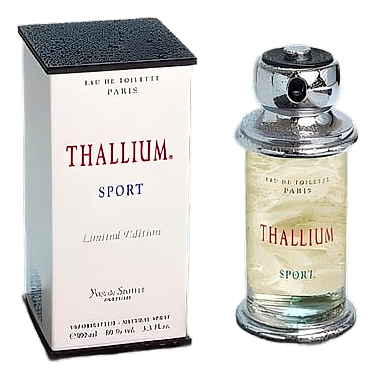
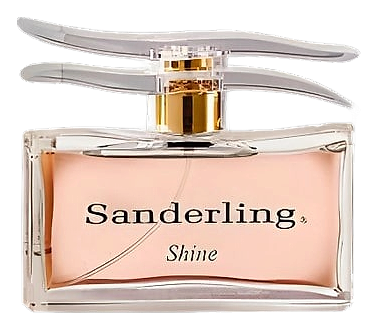
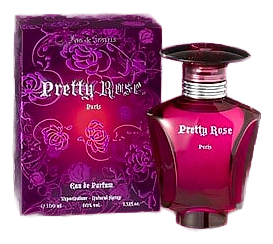
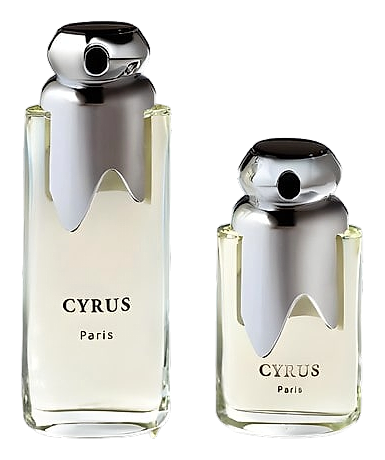
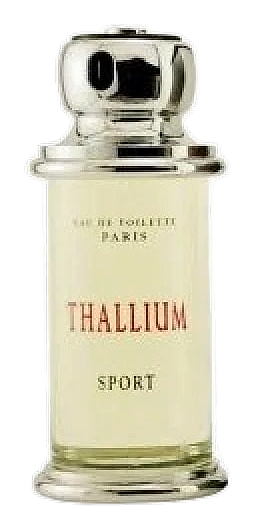
Yves de Sistelle entered the fragrance market as a contemporary brand, with its earliest documented fragrance edition appearing in 2010 according to fragrance databases. The brand carved out a niche during a period when the fragrance industry saw significant expansion in accessible luxury offerings. Rather than tracing lineage to a historic perfume house or a celebrated nose with decades of experience, Yves de Sistelle represents a modern approach to fragrance creation that leverages market positioning over heritage storytelling. The choice of name, clearly reminiscent of a major French fashion house, signals ambition to occupy aspirational space in consumers' minds. By 2020, the brand had released its newest documented fragrance, indicating continued activity in the market over approximately a decade. The house does not appear to have published extensive founding narratives, press kits, or documented founder stories that would allow deeper investigation into its origins. What exists publicly consists primarily of fragrance listings and consumer reviews on third-party platforms rather than brand-originated historical documentation. This modern emergence places Yves de Sistelle among the wave of fragrance labels that emerged in the 2000s and 2010s seeking to democratize scented luxury. The brand's approach to perfumery appears oriented toward creating fragrances with identifiable, crowd-pleasing scent profiles rather than avant-garde compositions. Fragrance names within the catalog suggest thematic inspirations ranging from romantic imagery to exotic destinations and aspirational concepts. Elixir de Sistelle implies a concentrated, indulgent experience. Tropical Dream suggests escapism and warmth. Princesse du Sahara evokes fantasy and opulence. The naming strategy reveals a brand that understands its target consumer: someone drawn to evocative storytelling that helps them imagine the scent experience before purchase. Without documented creative directors or named perfumers, the philosophy remains somewhat opaque, though the consistent output of new fragrances over a decade indicates either a stable creative team or an operational model that contracts perfumers as needed. The brand seems to prioritize market responsiveness, releasing scents that capture trends while maintaining a recognizable identity. Accessibility appears central to the business model, with pricing that allows experimentation and repeat purchases rather than positioning fragrances as aspirational luxury investments.