The Story
Why it exists.
The beginning
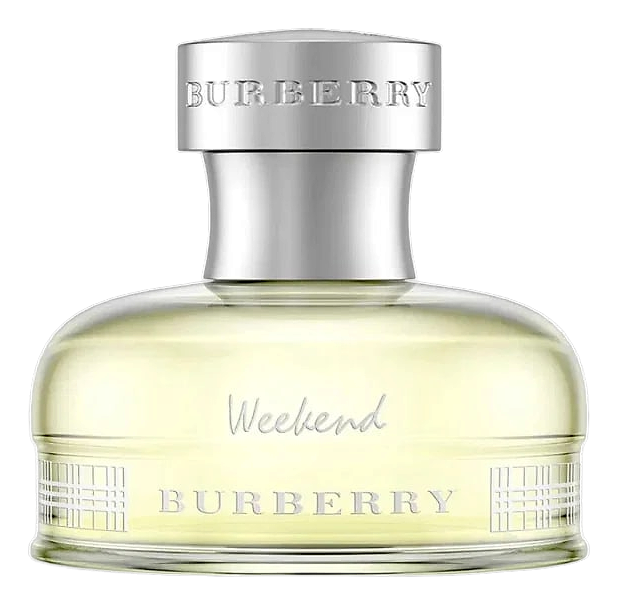
By 1997, Burberry had only recently begun translating its visual codes into fragrance, and Weekend marked a deliberate step in that direction. The house wanted something lighter, looser, less formal than what had come before: a scent that felt like permission to slow down, like the clothes you reach for when no one is watching. Nathalie Lorson composed the juice. The result is a sheer floral-fresh composition that wears close to skin and reads almost weightless in the air. Mandarin lifts the top, reseda threads a cool green vein through it, and sage keeps the brightness from drifting off into something too simple. It moves easily between morning light and an early evening that stretches longer than planned, the kind of scent that never demands a second thought.
What makes Weekend distinctive is how little it insists. The top notes, mandarin, reseda, and sage, stay bright without tipping into sharpness. There's nothing shrill in the opening, no synthetic snap that announces itself across a room. It just reads clean and present, like cool air moving through an open window. The heart builds around a thoughtful blend of florals: cyclamen, rose hip, violet root, alongside the more familiar iris and hyacinth. Each one brings a slightly different texture. Cyclamen and violet root lend a powdery coolness. Hyacinth pushes green and watery.
The evolution
On skin, the opening is the brightest the fragrance ever gets. Mandarin leads, reseda adds a cool green thread, and sage keeps everything grounded. There's nothing aggressive in this phase, just a clean, sunlit quality that feels like stepping outside on a cool morning. The citrus spark sits forward, but it doesn't burn; it flickers. As the top notes settle, the florals begin to gather. Hyacinth comes forward first, green and watery, almost rain-like. Nectarine and peach blossom add a soft, almost edible sweetness, the kind that reads more like fruit skin than syrup. Cyclamen and violet root cool the heart back down, giving it a powdery, slightly chilled texture. The composition reads sheer, layered without ever feeling heavy. Hyacinth and iris stay prominent here, lending a dewy, petalled quality that hovers just above the skin.
Cultural impact
Weekend arrived in 1997 as a fragrance, and it is still in production. Among the brand's scent catalog, it sits in an easy, everyday register: the kind of bottle many people keep within arm's reach, the one that wears close enough for the office and light enough for a warm afternoon. Its longevity rating sits at a moderate level, with sources noting 7.1, which suits its intended role as a daytime composition rather than an evening statement. What has kept Weekend in circulation for so long is partly its restraint. It doesn't try to do too much. The composition stays light, the florals stay sheer, and the base never overpowers.