The Story
Why it exists.
The beginning
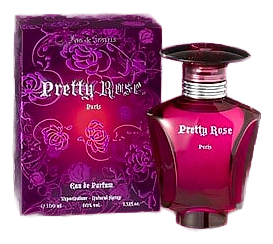
Pretty Rose arrived during a busy chapter for Yves de Sistelle, a French house that had been steadily growing its catalog of accessible compositions. By the time this fragrance entered the lineup, the brand was already known for identifiable profiles and names that promise a specific kind of feeling before you've even unscrewed the cap. Pretty Rose does exactly what its name suggests, but with a fruity overture that sets it apart from a garden-variety soliflore. It's a rose, yes, but a rose that's been to a tropical fruit market on the way to the florist. The pineapple and peach at the opening give the composition its immediate personality, pushing the eventual rose toward something jammy rather than green or dewy.
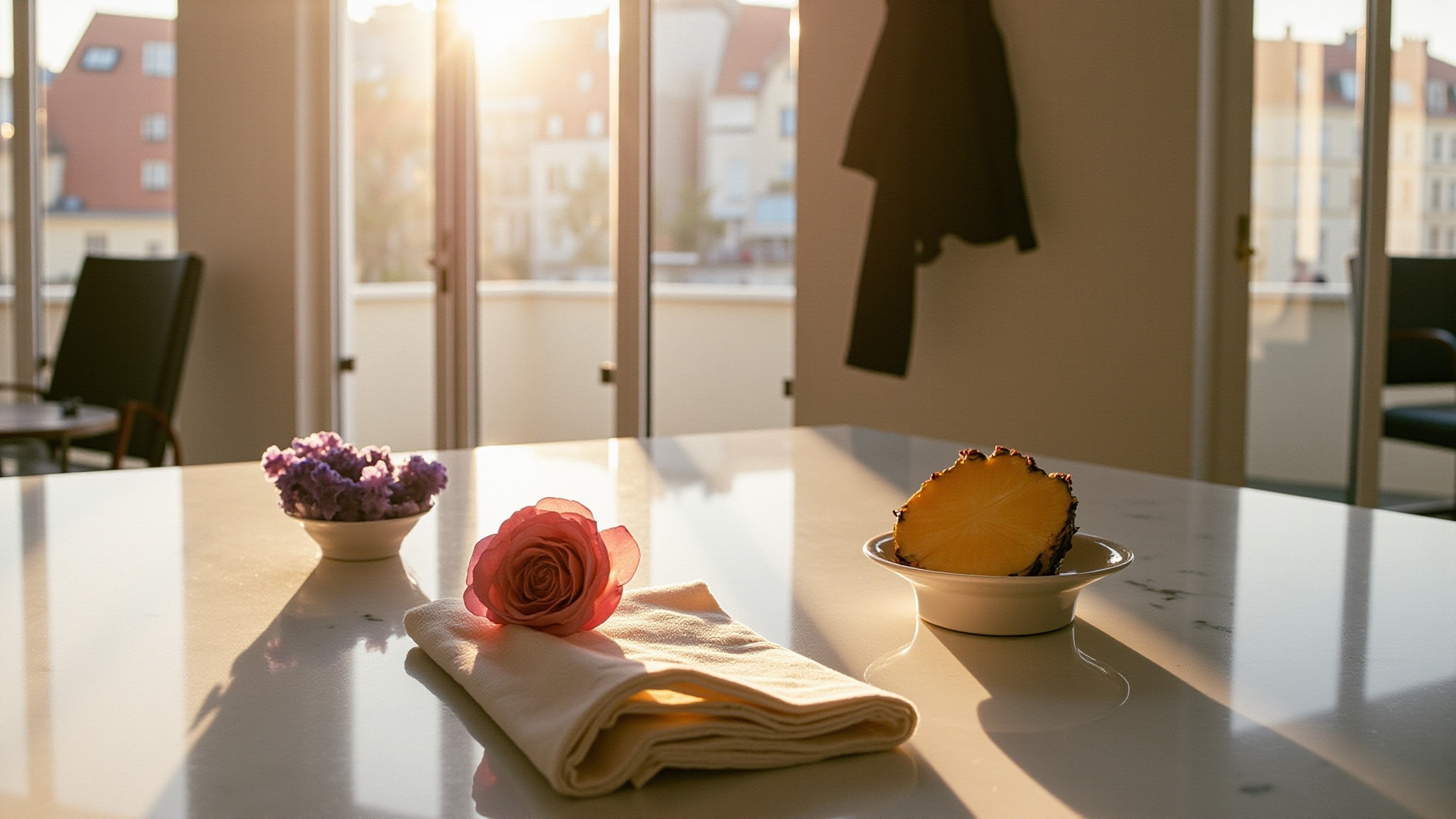
The composition leans on a trick perfumers have been using for decades: a bright, sugary opening that earns permission for the floral heart. Pineapple, peach, and tangerine aren't window dressing here. They change the character of the rose that follows, pushing it toward the jammy, almost candy-like rather than the green-stemmed garden version. Black violet adds a dusky shadow underneath, deepening what could otherwise read as one-dimensional sweetness.
The evolution
The first ten minutes belong to the fruit. Pineapple leads, sharp and tinned, with peach rounding it into something juicier. The tangerine rides underneath, barely there, adding zest without overwhelming. By the half-hour mark, the florals push through. Rose arrives first, big and unmistakable, then jasmine sambac and orange blossom layer in beside it. Iris does the quiet work of softening everything into a powdery haze. The violet note adds a dusky undertone that keeps the heart from feeling too innocent. In the drydown, the vanilla takes the wheel. It's a creamy, almost frosting-like sweetness that sits on warm skin and stays close. The sandalwood and musk underneath keep it from going too sugary, lending a soft, lactonic warmth that feels comforting rather than cloying.
Cultural impact
Pretty Rose wears well, smells like dessert, and doesn't ask for deep analysis. That accessibility is the point. Wearers tend to reach for it when they want something uncomplicated and sweet, a fragrance that fills a space politely and leaves a soft trail rather than a statement. Within the Yves de Sistelle catalog, it lands firmly on the sweeter, more feminine side, alongside fragrances like Doriane and Verona, where the floral-gourmand angle dominates. It's the kind of composition that sparks joy in its target audience without trying to be anything more ambitious than that.