Black Violet
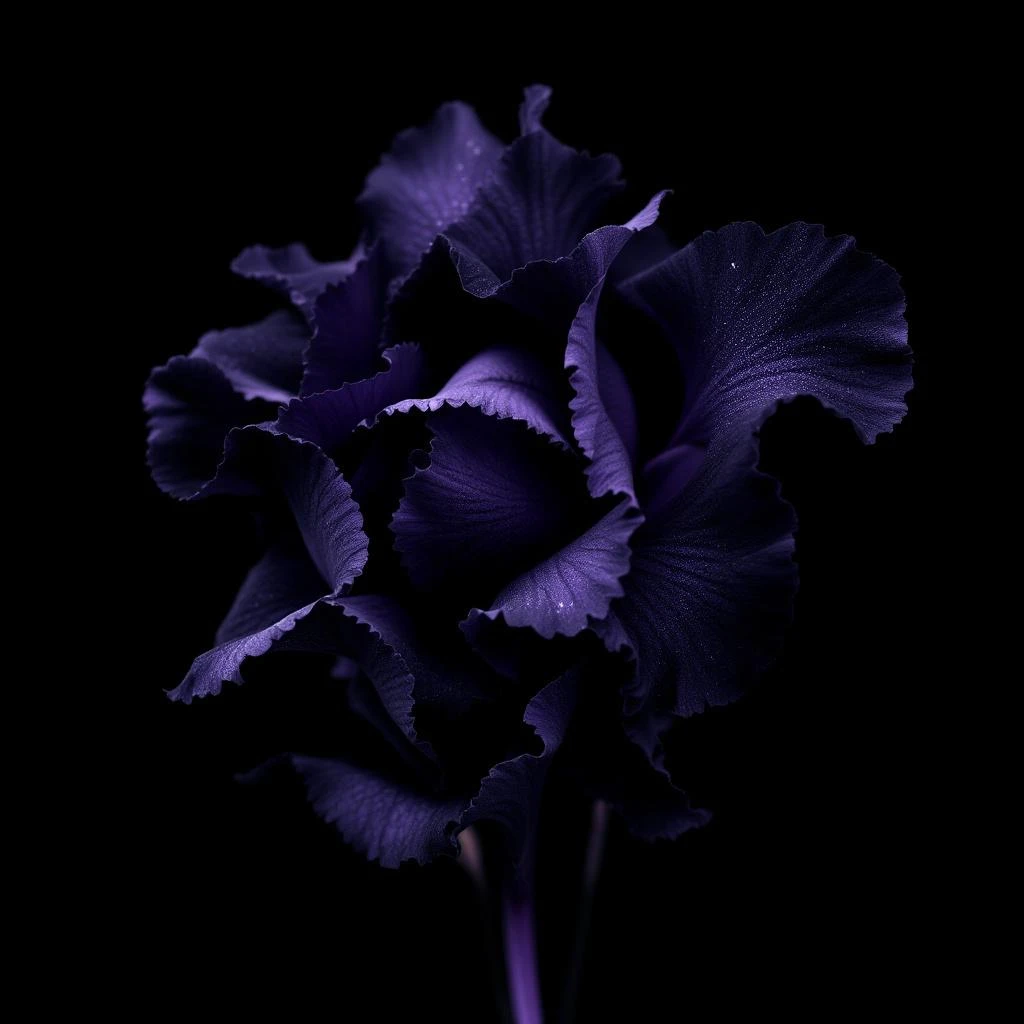
Black violet is a perfumery accord combining traditional violet florality with deeper, darker elements. Built around ionones that provide the characteristic powdery, sweet-violet character, it integrates with heavier base materials to create an intensified, more mysterious violet expression than the delicate flower alone allows.
Character
How it smells
Violet reimagined through shadow, where powdery florals meet deeper resonance.
The ionone molecule responsible for violet scent was accidentally discovered in 1898 during an unrelated chemical experiment, revolutionizing perfumery by making violet accessible without thousands of kilograms of flowers.







Origin
France
Violet fragrances dominated European fashion from roughly 1880 through 1920, earning this period the moniker "violet era" among fragrance historians. Before ionone synthesis, violet essence commanded extraordinary prices because extracting meaningful amounts required hand-harvesting tiny flowers from individual stems. The Standard Cyclopedia of Horticulture noted these obstacles as "apparently insurmountable" to widespread use.
Napoleon Bonaparte's nickname "Corporal Violet" cemented the flower's association with imperial France, while Victorian England embraced violet as a symbol of modesty and simplicity. The 1898 ionone breakthrough democratized violet perfumery, shifting it from rare luxury to accessible fashion.
Wears it best
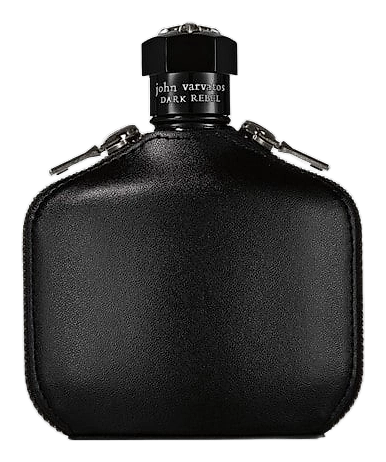
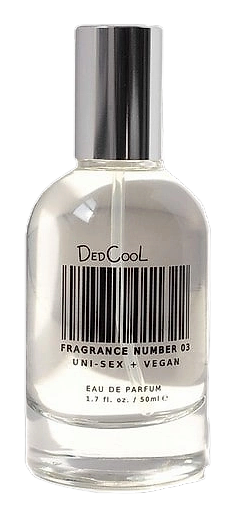
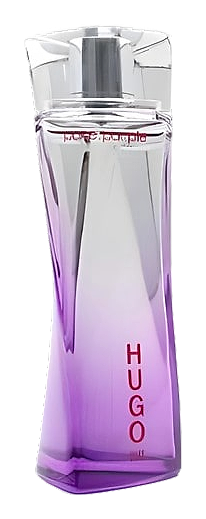
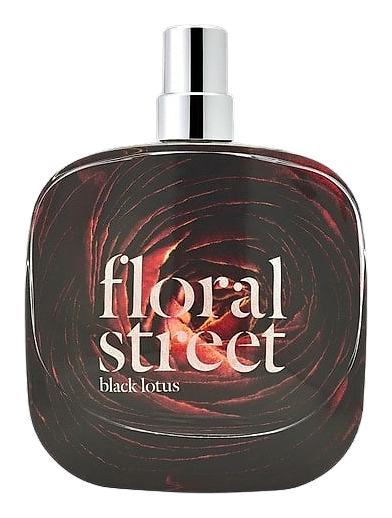
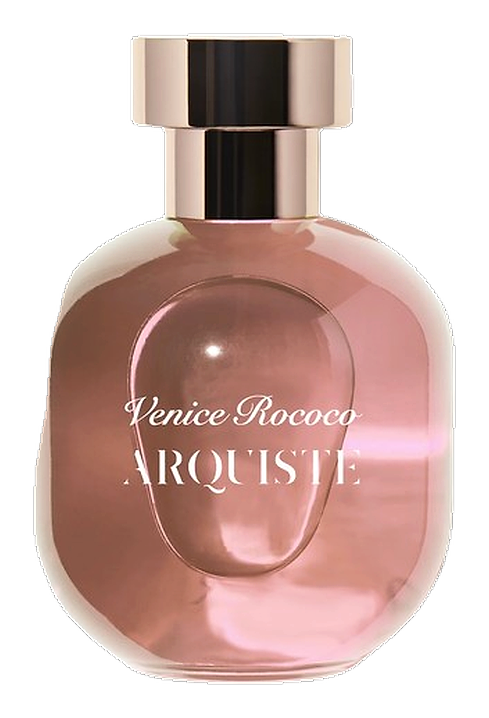
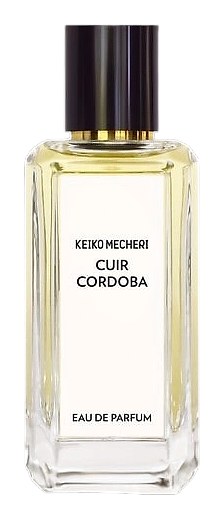
Fragrances featuring Black Violet

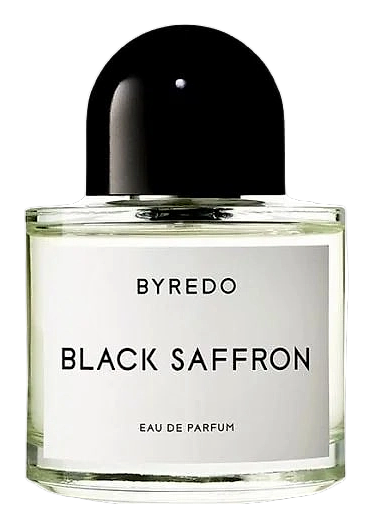
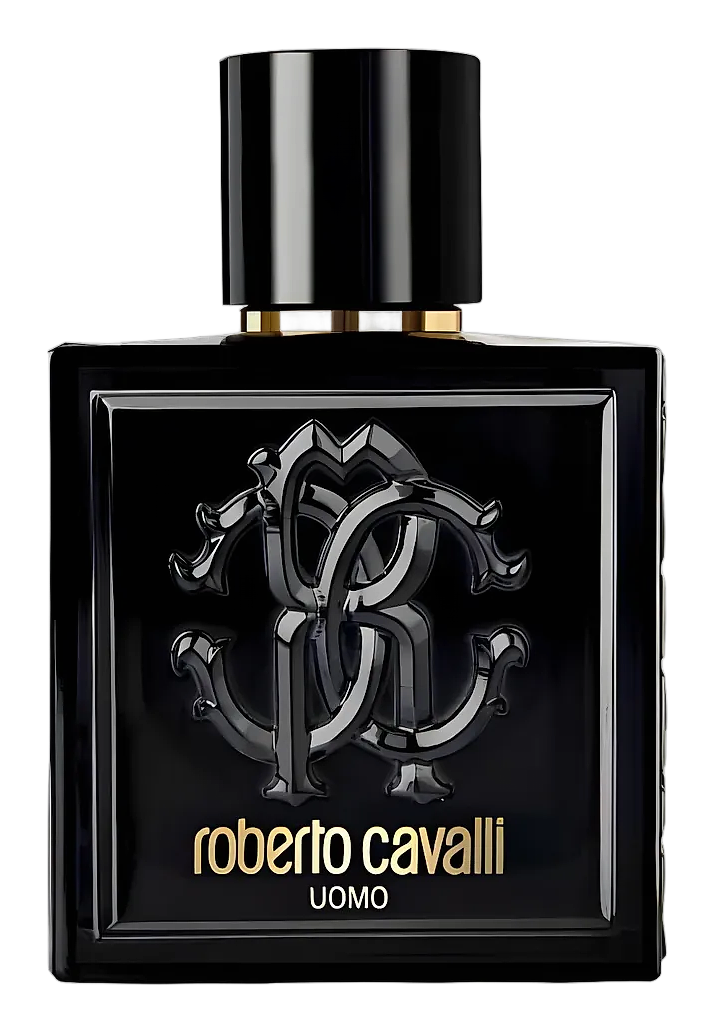
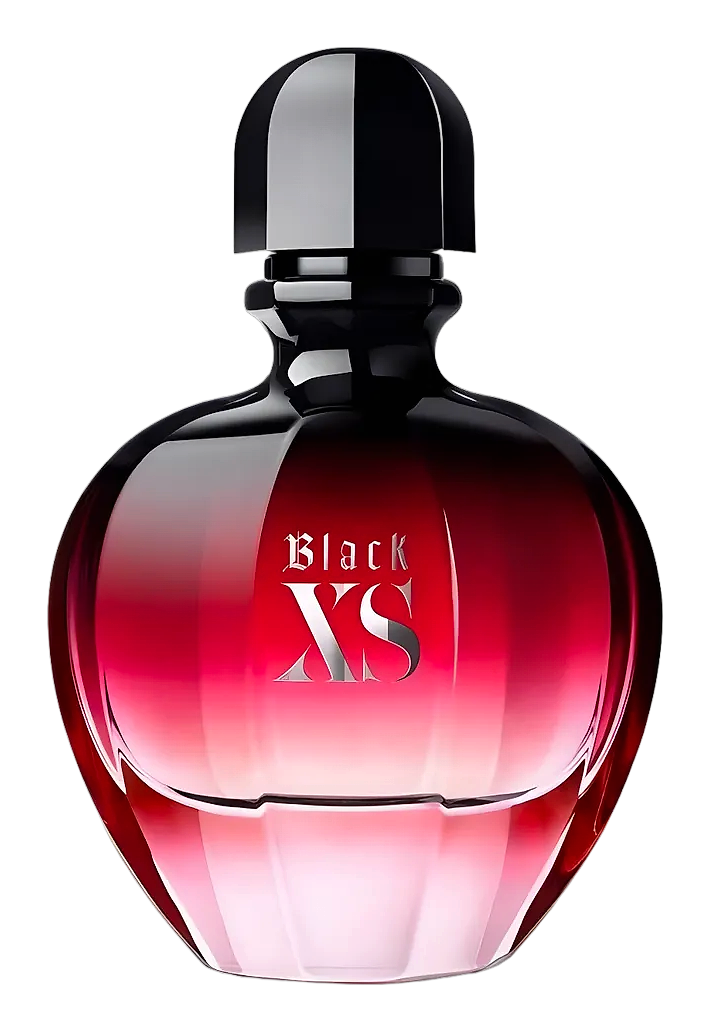
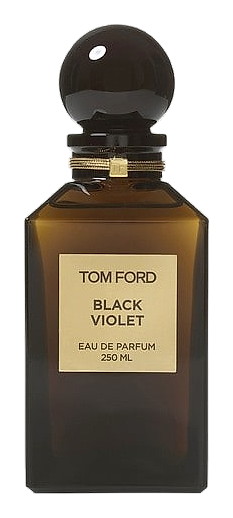
Brands
Brands known for Black Violet
Good to know
Questions, answered
The essentials on Black Violet in perfumery: how it smells, where it comes from, and how it behaves on skin.
What does Black violet smell like in perfume?
Black violet combines violet's characteristic powdery, sweet floralcy with deeper, often woody or balsamic undertones. The ionones provide the recognizable violet character, while darker elements add warmth and lasting power that plain violet lacks.
Why is Black violet used in perfumery?
Black violet accord solves a fundamental problem: true violet absolute evaporates within minutes on skin. By combining synthetic ionones with fixative base materials, perfumers create violet effects that last through the drydown rather than disappearing in the opening minutes.
Is Black violet in perfume natural or synthetic?
Black violet is primarily synthetic. The ionone molecules that define violet scent were first isolated in 1898 by German chemists Tiemann and Kruger. Natural violet absolute exists but costs prohibitively, making synthetic ionones the industry standard since the early 20th century.
What famous perfumes contain Black violet?
Guerlain L'Heure Bleue (1912) and Chanel No. 19 both feature violet-ionone character prominently. Lancôme Trésor (1990) and Yves Saint Laurent Paris (1983) also rely heavily on ionone chemistry to achieve their signature powdery violet effects.
Is Black violet a top note, heart note, or base note?
Black violet functions as a heart-to-base note in most compositions. The ionone compounds provide immediate violet character but truly shine in the development phase, while the darker companion materials anchor the scent as a lasting foundation.
What notes pair well with Black violet in perfume?
Black violet pairs traditionally with iris (sharing ionone chemistry), rose, and warm woods like sandalwood. Modern interpretations combine it with darker materials including patchouli, oud, and amber for a more dramatic effect.
How is Black violet extracted?
Natural violet absolute uses volatile solvent extraction from Viola odorata petals, but this method yields minimal amounts. Contemporary perfumery instead employs synthetic alpha and beta ionones, which replicate violet's aromatic profile at commercial scale.
Is Black violet used in men's or women's fragrances?
Black violet appears across gender categories. Classic feminine violet fragrances like Guerlain Jicky (1889) pioneered the note in perfumery, while masculine applications in 1978's Masculin by Karl Lagerfeld demonstrate its versatility across fragrance categories.




