The Story
Why it exists.
The beginning
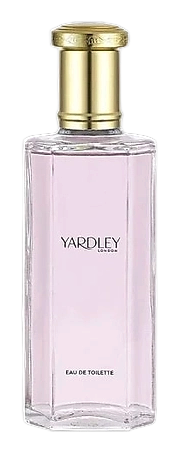
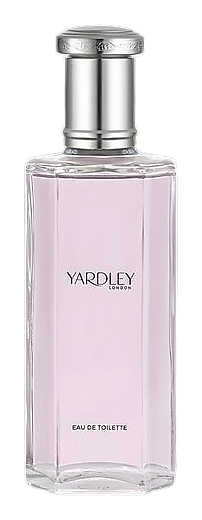
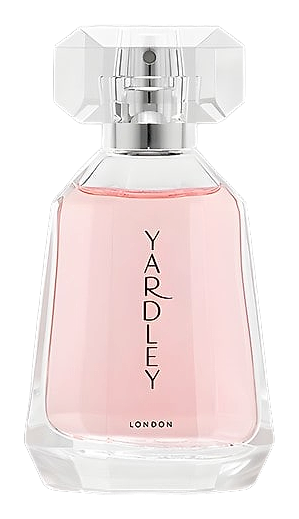
Rosie Ruby arrived in 2017, the work of perfumer Domitille Michalon-Bertier, composed for a British house with a lineage stretching back to 1770. The name draws on the visual language of a pink ruby stone, and the composition is structured to match: a glittering fruity-floral opening, a plush heart, a quietly warm base. It is not a fragrance trying to reinvent anything. It knows what it is, and it commits. The juice pours on in a way that feels familiar, a floral with a sweet tooth, the kind of thing you reach for when you want something soft and pretty that still has a bit of brightness in the first hour. There's an unapologetic sweetness here, a willingness to be sugary that separates it from the more austere florals on the market.
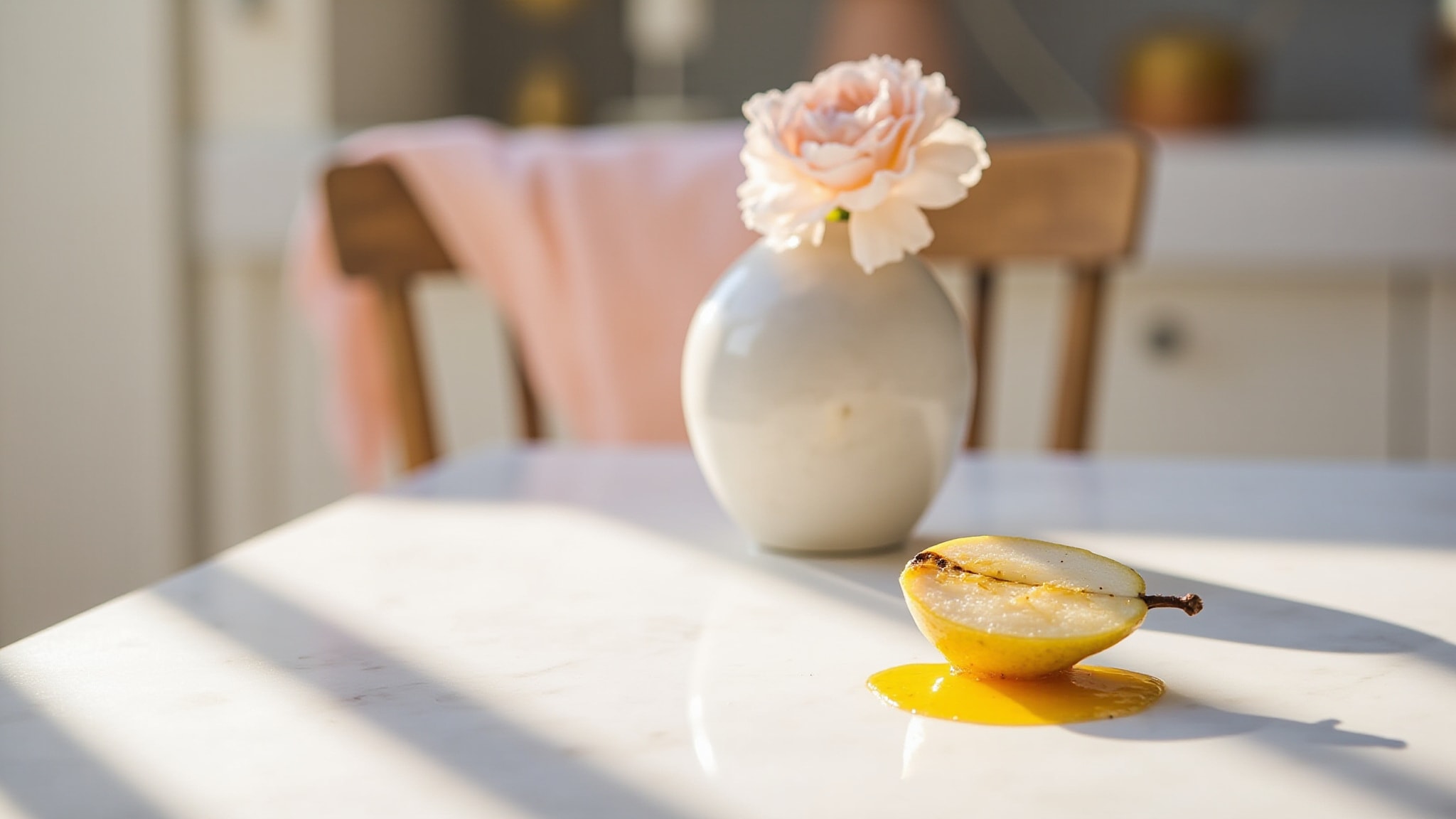
What makes the composition interesting is the gourmand-leaning top. Honey, rather than vanilla, does the sweet work, paired with pear and bergamot for lift. That honey note is the hinge: it carries through the heart, keeping the peony and rose from going too green or too powdery, and lands softly against the sandalwood in the base. The lily of the valley adds a dewy facet that prevents the whole thing from collapsing into sweetness.
The evolution
The opening minutes are pure confection. Pear and honey land bright and almost edible, with bergamot giving a short squeeze of citrus before the sugar takes over. As the fragrance settles, the roses and peony arrive, and the composition shifts from fruity to floral without ever fully leaving the sweetness behind. The honey threads through, keeping the bouquet soft and golden. Over time, the cedar and sandalwood settle underneath, and the fragrance reads warmer, creamier, less like a fruit bowl and more like warm skin after a sunny afternoon. The vanilla surfaces last, faint but present, giving the drydown a gentle edible warmth. The transition feels natural rather than jarring, each phase handing off to the next without any hard break or sudden pivot.
Cultural impact
Rosie Ruby sits comfortably in Yardley's floral-fresh tradition, a 2017 release that leans into a honey-and-pear sweetness alongside the rose and peony at its center. It is the kind of fragrance worn by someone who wants to smell good without thinking about it too hard, easy to reach for and easy to enjoy. The opening gives it a playful character, a sweetness that feels light rather than heavy, and the drydown keeps that ease going without ever tipping into something dense or serious.
The House
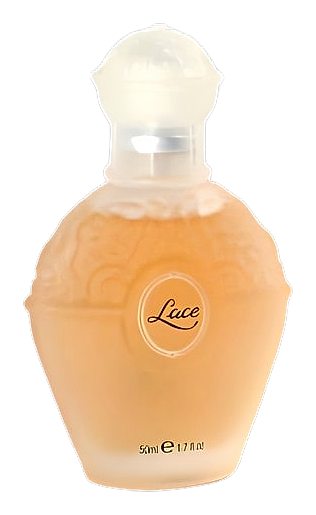
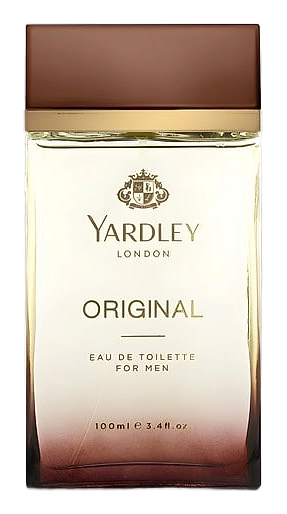
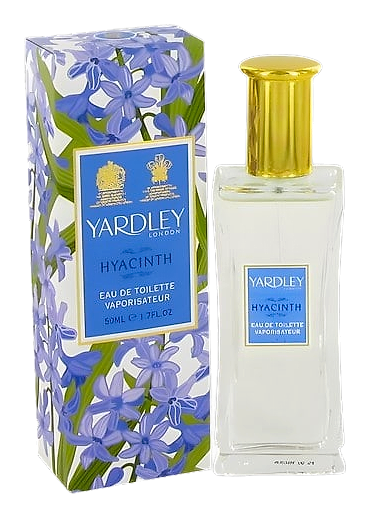
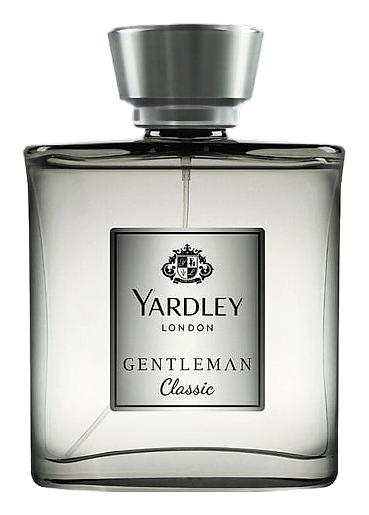
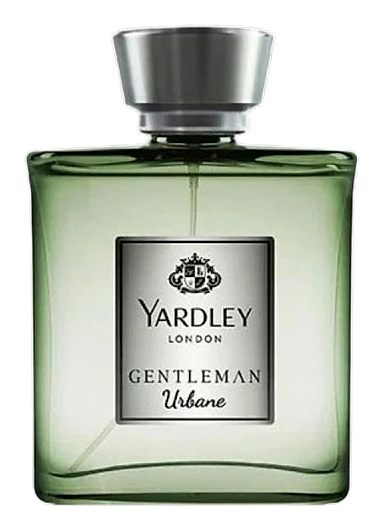
YardleyYardley London is a British fragrance house that traces its commercial origins to 1770, when the Cleaver family opened a modest soap shop in the City of London. Over two centuries the brand expanded from hand‑crafted soaps to a portfolio of eau de toilettes, body lotions and grooming accessories. Its scent catalogue includes enduring classics such as Yardley Original, the floral Laughter (1975) and the bright Pink Lace (1988). Today Yardley balances historic British charm with contemporary retail channels, offering consumers a recognizable scent heritage.
The Creator
Domitille Michalon-BertierDomitille favors natural ingredients and makes a point of exploring new raw materials to expand her palette continuously. Her signature reads as vibrant and dynamic, drawing comparisons to jazz's unexpected harmonies or the layered tension of noir fiction.