The Story
Why it exists.
The beginning
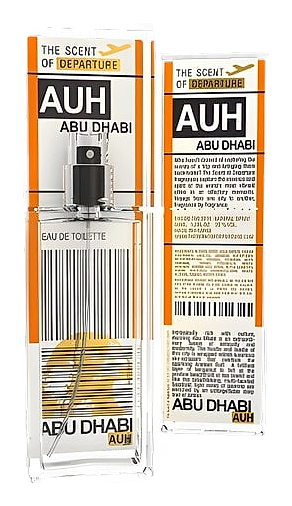
AUH Abu Dhabi lives at the intersection of two obsessions: Gérald Ghislain's appetite for composition that carries cultural weight, and a brand philosophy that treats airports as emotional waypoints rather than geographic facts. The Scent of Departure released its AUH scent in 2012, with each bottle carrying a three-letter identifier (AUH, LHR, JFK) that nods to the international codes stamped on luggage tags and departure boards. For Abu Dhabi, Ghislain reached into oriental-woody territory but skipped the obvious oud route, building richness through castoreum, benzoin, and a dense sandalwood-cedar spine instead. The result reads as warm and resinous without leaning on the heavy Arabic tropes that saturate so many Middle Eastern flankers.
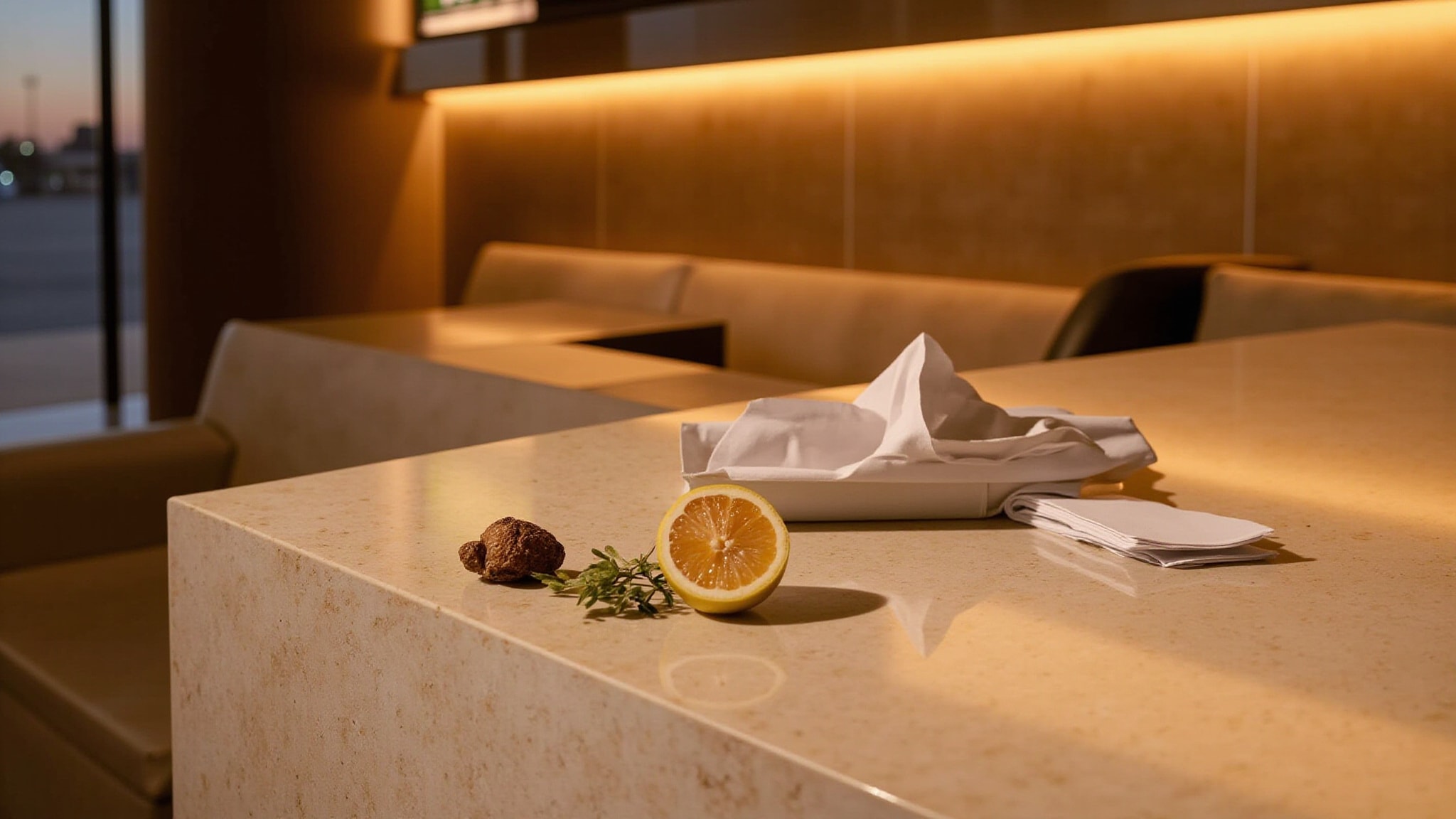
What makes AUH interesting isn't the list of luxury materials; it's how they refuse to behave like a typical oriental. The thyme and nutmeg in the top give it a savory, almost culinary snap that cuts against the sweetness below. Castoreum, often used as a leathery anchor, here provides something rawer, something close to skin. The rose is present but doesn't dominate; sandalwood and vetiver share the heart with cedar, creating a woodiness that's dusty and resinous rather than creamy. It's an architecture of restraint dressed in rich materials.
The evolution
The first ten minutes are the loudest: bergamot and lime doing their bright, citrusy handshake, with thyme sliding underneath like a green ribbon and nutmeg warming everything from below. Then the airport fades and the gate disappears. Rose and geranium surface in the heart, but they arrive dressed in sandalwood and patchouli, so the florals feel like they're being read through frosted glass, not worn on the sleeve. The vetiver and cedar carry it forward into something drier, more architectural, with the earthy bitterness of vetiver anchoring the composition to something grounded and real. By hour two, the castoreum shows up properly. That's the turn. The fragrance stops being polite and starts smelling like warm leather, like the inside of an expensive car at dusk, like something close to another person. The vanilla and tonka bean soften the edges but don't tame them.
Cultural impact
AUH occupies an unusual niche: it reads as oriental-woody without leaning on the heavy oud tropes that often accompany Gulf-coded fragrances. It appeals to someone who wants a scent that carries a sense of place without being literal about it, something that suggests warmth, distance, and arrival without resorting to the expected incense-and-rose formula. The castoreum base is the element that polarizes. Some hear it as warm and leathery, almost suede-like in its softness, with a comfort that recalls well-worn luggage or the interior of a vintage car. Others find it too animal, too close to skin in a way that feels intrusive.