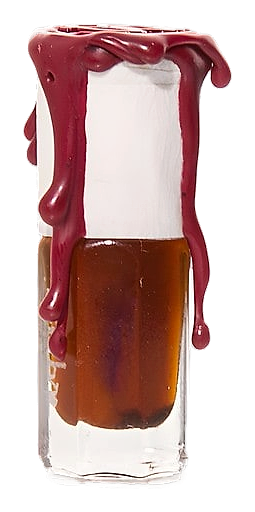
The Story
Why it exists.
The beginning
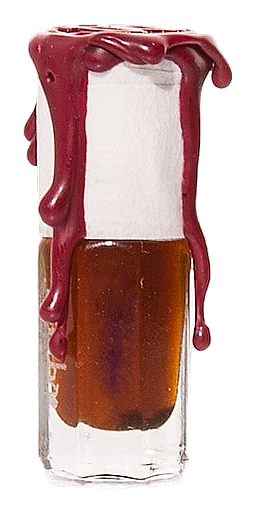
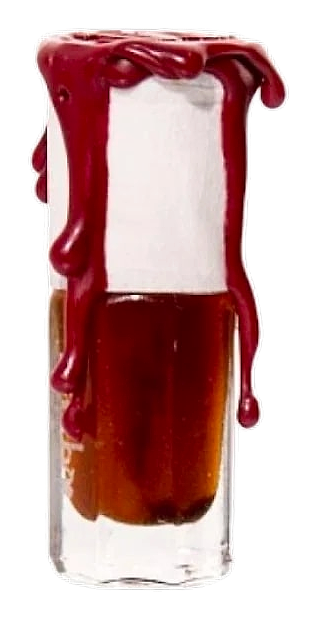
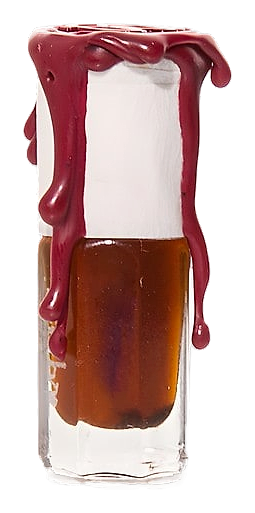
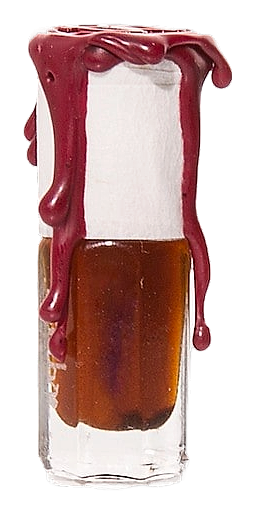
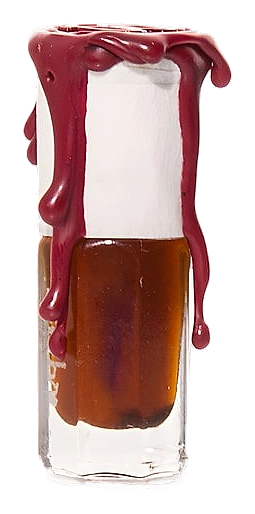
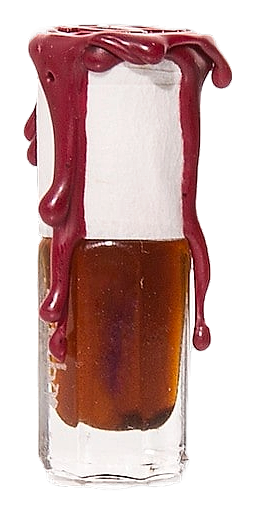
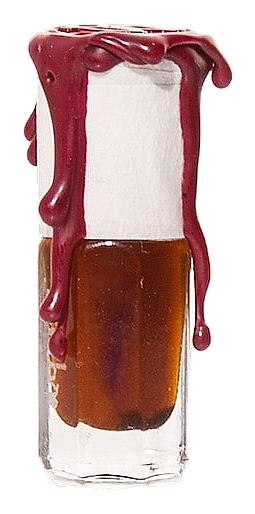
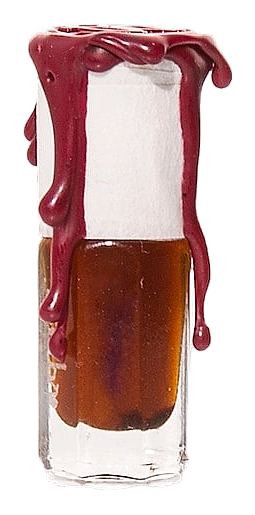
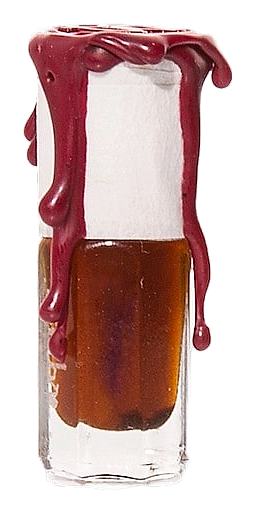
Fougere du Paradis arrived in 2016, composed by Sultan Pasha. The name reads as a fougère, that classic aromatic structure built around lavender, but the structure here carries more weight. Pasha worked with lavender at the top, sharpened it with clary sage, elemi, Meyer lemon and lime, then let jasmine and tonka bean soften the middle. Underneath sits the part that separates this from a familiar aromatic fougère: white oud, ambergris, Siam benzoin and castoreum. A garden scent in theory, something far less tidy in practice.
The interesting decision here is the collision of materials that don't usually share a conversation. Lavender is cool, almost metallic in a good aromatic. Castoreum is warm, animalic, slightly salt-edged. White oud adds dry wood and a faint smoke. Tonka bean drops vanilla sweetness into the heart, which keeps the floral from turning airy or soapy. Benzoin and elemi bring resinous heat at both ends of the composition. It is the familiar fougère skeleton, rebuilt with ingredients that pull toward the darker end of the spectrum.
The evolution
The opening lands clean and fast. Lavender and clary sage give it a clipped, herbal quality, while Meyer lemon and lime add brightness that cuts through any sweetness. Elemi keeps things resinous underneath, so even the citrus phase feels more like polished wood than a sparkling drink. Within the first half hour, jasmine arrives and the scent softens, tonka bean adding a warm sweetness that rounds the aromatic edges without making them sugary. Then the base takes over and the temperature drops. White oud brings dry wood, ambergris adds a mineral saltiness, benzoin deepens into resin, and castoreum gives it that unmistakable animalic warmth underneath. On fabric or skin, this is where it lives. Expect it to settle close and stay interesting through a 4 to 6 hour arc, drying down to something woody, faintly smoky and still a little strange. The garden is still there. It just grew teeth.
Cultural impact
Fougere du Paradis brings together a vivid range of materials: lavender, clary sage, elemi, Meyer lemon, lime, jasmine, tonka bean, white oud, ambergris, Siam benzoin and castoreum. The result is a layered aromatic fragrance in which the bright opening gives way to a warmer, darker combination of wood, resin and animalic notes. Its varied note structure invites close attention as the different facets emerge and mingle.
The House
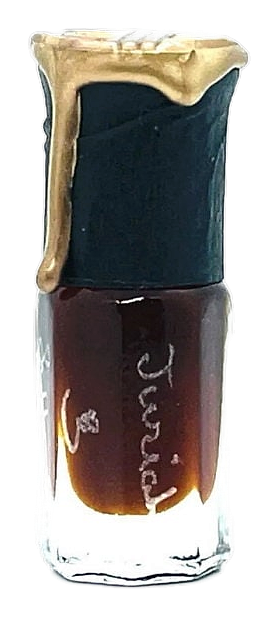
Sultan Pasha AttarsSultan Pasha Attars is a London‑based atelier that creates oil‑based attars using natural raw materials. Founder Sultan Pasha blends his Bangladeshi heritage with the olfactory traditions of the Middle East, offering scents such as Cuir au Miel (2013) and Juriah Privé (2024). The house focuses on hand‑crafted compositions that unfold on fabric or skin, appealing to collectors who value authenticity and depth.
The Creator
Sultan PashaSultan favors a laboratory‑like precision, layering accords in a stepwise fashion that mirrors a chemical reaction. He often begins with a bold base—amber, labdanum, or oud—then adds a bright middle such as chrysanthemum, cardamom, or incense.