The Story
Why it exists.
The beginning
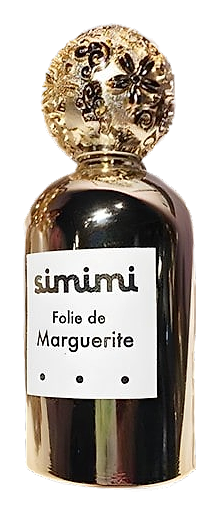
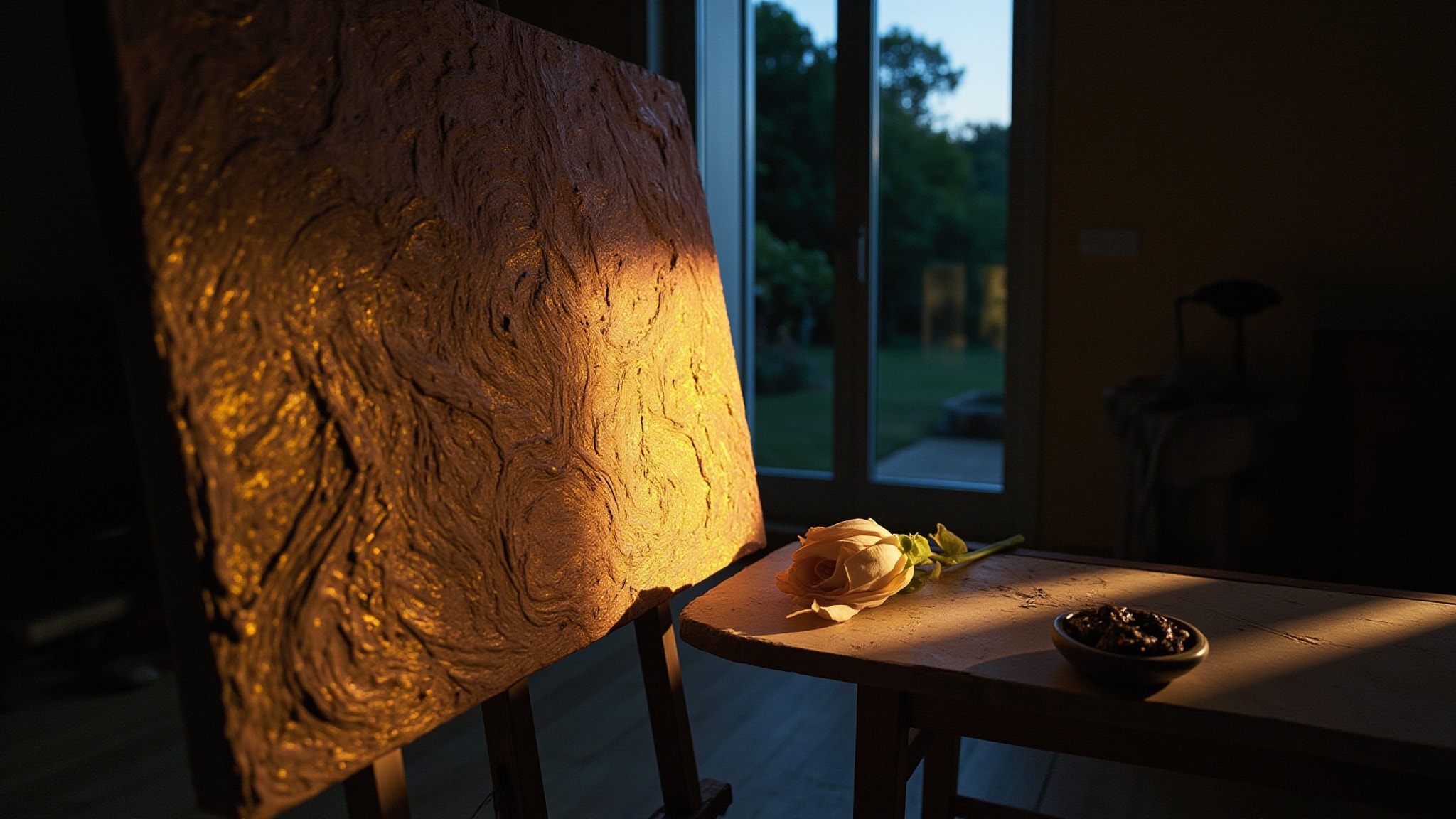
Folie de Marguerite draws from the story of Marguerite Gachet and Vincent van Gogh, a romance the world still argues about. Some call it invention. Others call it the most honest thing either of them had. She waited, restless, eager to escape Europe and become a painter in the country of opportunities. She stayed. For love. For the fight. Paolo Terenzi composed the scent in 2017, shaping it around the garden her father tended, where tuberose, iris, and marigolds grew, then pulling the floorboards up to reveal cedar, oak, and oud, the wood of an artist's atelier. Elemi and myrrh arrive like brushstrokes left wet on the canvas, explosive, impressionist, refusing to behave.
What makes this composition worth your time isn't any single note, it's the collision. Tuberose is heavy, almost vulgar in the wrong hands. Pair it with saffron and elemi and it stops being pretty and starts being alive. The oud here works as architecture, not ornament. Same with the praline and vanilla, they don't sweeten the whole thing, they soften the edges where the resin cuts. Terenzi built a floral that smells like a room where something just happened. Most niche florals aim for beauty. This one aims for atmosphere.
The evolution
The opening is a negotiation. Lemon and saffron cut through the magnolia's cream, patchouli grounds everything before it floats away. Then the tuberose lands, thick and fleshy, and the elemi arrives like a struck match beside it. Pink pepper adds heat without fire. Jasmine absolute hums underneath, providing the texture of skin after warmth. As the hours pass the florals settle into something more architectural. Cedar and oak push forward. The white oud shows its work, dry, papery, almost mineral. Praline and vanilla don't so much appear as accumulate, coating the resins in something that reads as skin-warmth rather than dessert. Eventually it's all drydown. Myrrh and amber hold the structure. Musk softens everything below the collar. On fabric the next day you get vanilla, carrot seed, and the ghost of that garden. It doesn't disappear. It just stops performing.
Cultural impact
Folie de Marguerite wears like a private reference. It doesn't announce itself on first impression, but those who recognize it tend to remember it. The oud-tuberose-resin combination sits in a space that rewards patience, opening cool and creamy, then warming into something denser, drier, almost mineral at the base. There's a tension in how it behaves: white florals that refuse to behave like florals, oud that refuses to behave like oud, resins that smolder without ever turning smoky. It's not a crowd-pleaser. It doesn't try to be. The kind of scent you wear when you'd rather be understood by the few than applauded by the many.