
The Story
Why it exists.
The beginning
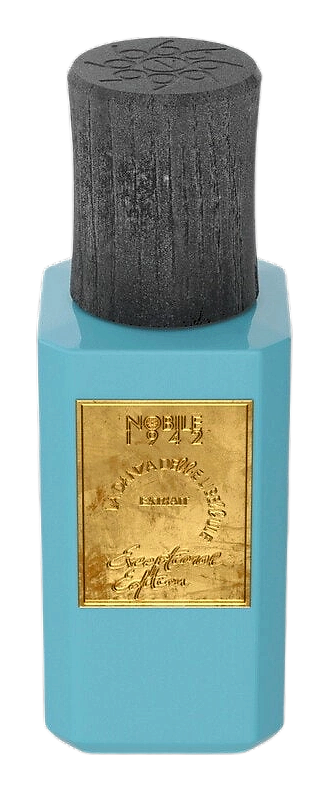
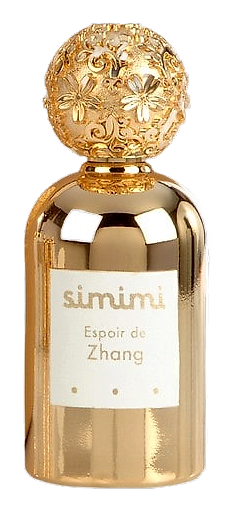
Espoir de Zhang translates to "Zhang's Hope", and the name carries real weight. Zhang is the mother of Mencius, the philosopher whose name ranks second only to Confucius in the Chinese intellectual tradition. Widowed while her son was still a child, she became a model of maternal devotion for millennia. Paolo Terenzi translated this literary legacy into a fragrance. Warm oriental florals anchor the composition, with vanilla lending sweetness that feels earned rather than obvious. White flowers, tuberose, jasmine, perhaps something green and quieter beneath, bring presence without heaviness. Animalic musks give the scent skin-close depth, a whisper rather than a shout. It smells like someone who shows up, again and again, without needing to be seen.
The anise in the opening is the gamble. It carries a sharpness that catches you off guard, the smell of black licorice with a bit of medicinal edge, definitely polarizing. Here, it's tempered by coconut cream and plum, which means the strangeness reads as intriguing rather than harsh. The coconut adds a soft, almost buttery sweetness while the plum brings a tart fruitiness that keeps things lively. Together they smooth the anise enough to let it fascinate rather than repel.
The evolution
The first minutes are coconut cream and plum, soft, sweet, almost confectionery. Then the anise arrives. Sharp and immediate, like a story that suddenly takes a turn. Don't panic. Within a minute the licorice edge softens, the flowers begin their slow unfurling, and what seemed confrontational settles into something richer and more interesting. The heart is where Espoir de Zhang lives longest. Jasmine and tuberose unfold in waves, creamy, lush, not quite powdery yet. Lily of the valley adds a green whisper beneath the bigger blooms. Wild rose appears, then disappears, adding a natural sweetness that prevents the florals from becoming heavy. This phase holds for hours. The drydown finally arrives, and with it the warmth: almond, vanilla, tonka bean softening everything into a powdery, skin-close embrace. The arc moves bright, to floral, to warm. It doesn't rush.
Cultural impact
Espoir de Zhang occupies an interesting space in niche perfumery, named for a specific historical figure and carrying literary weight. The anise opening is the kind of choice that sparks conversation. Wearers either lean in immediately or need a few minutes to adjust. Neither reaction is wrong. What it signals is a fragrance that refuses to be background music. It announces, then settles, then stays. The blend of warm florals, sweet coconut, and that distinctive anise note creates something that stands apart from more cautious formulations. It's a fragrance that asks something of you, and rewards those who lean in rather than pull away.