The Story
Why it exists.
The beginning
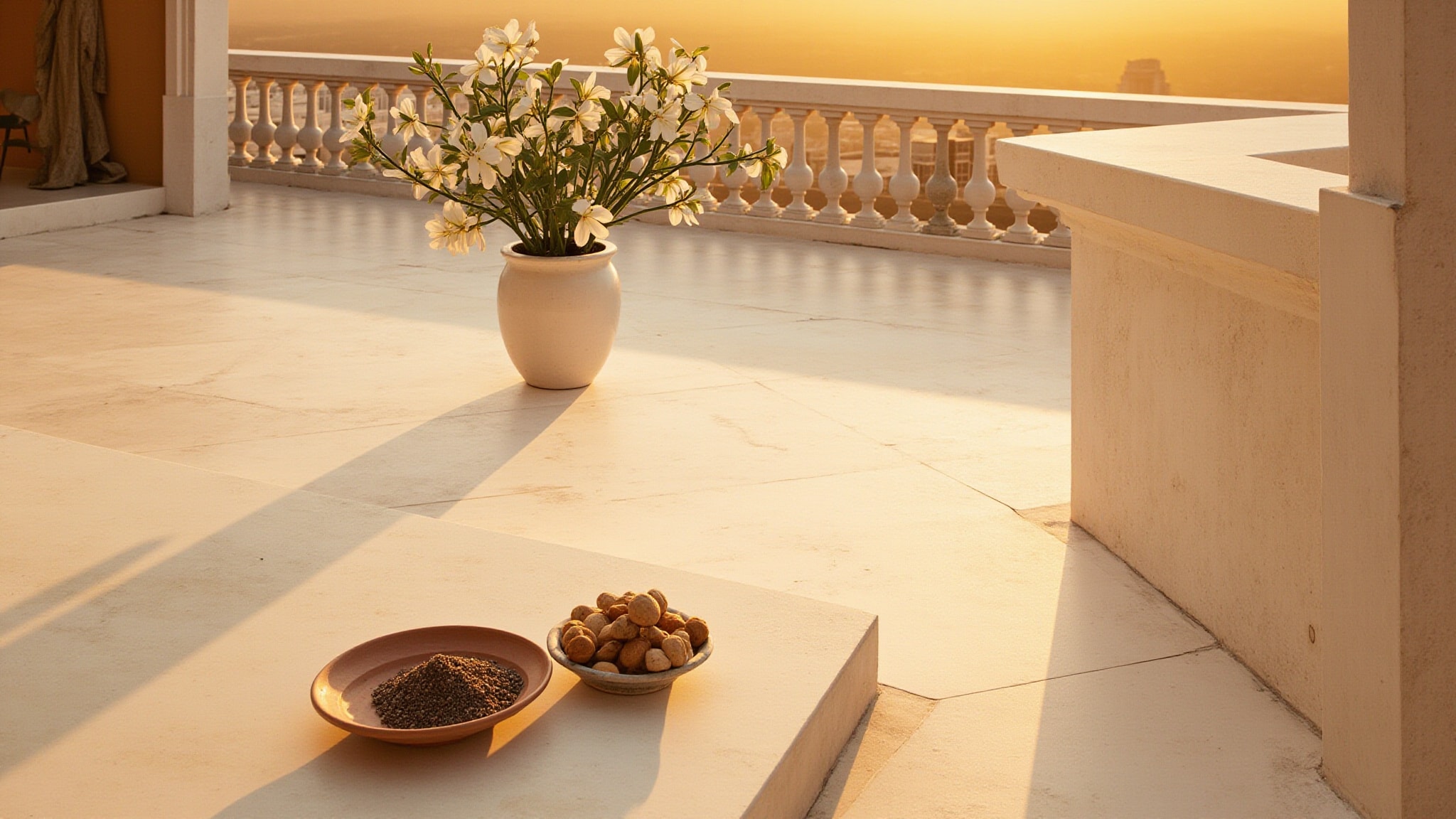
Rossopompeiano takes its name from the ancient Roman city, translating "rosso" (red) and "pompeiano" (of Pompeii) into an olfactory translation of that volcanic earth. The fragrance opens with an immediate impression of warm mineral dust, the kind that rises from sun-baked stone in late afternoon. There's a subtle bitterness at the start, reminiscent of bitter almonds, that cuts through the warmth without coldness. The jasmine arrives with a creamy fullness, not sharp or watery, but a dense white floral that feels almost waxy in its richness. Heliotrope adds a powdery softness that rounds the edges. As the scent develops, the white florals remain prominent, maintaining their presence without overwhelming the composition.
The structure is what makes Rossopompeiano unusual. Here, the jasmine sambac and heliotrope arrive early and stay, they don't surrender to the base so much as invite it to join. The white amber and cashmere wood keep the florals grounded without flattening them. Patchouli appears as a bridge, connecting the bright opening to the warm close. What distinguishes this composition is the restraint in its construction. The florals never collapse into sweetness, instead maintaining a translucent quality that allows each element to breathe.
The evolution
The opening hits with bitter almond and green galbanum, creating an immediate contrast between nuttiness and fresh herbal greenness. The galbanum provides a sharp quality that pairs with the bitter almond's almost medicinal quality. As the top notes settle, the jasmine sambac and orange blossom arrive together, their combined presence creating a rich white floral heart. The heliotrope adds a powdery lift that prevents the florals from feeling heavy. The middle phase reveals a subtle sweetness that never cloys, maintaining balance through the florals' natural freshness. The base arrives quietly, sandalwood first, then vanilla settling into the skin. The sandalwood brings a creamy woodiness while the vanilla adds warmth without becoming confectionery or overwhelming.
Cultural impact
Rossopompeiano presents an unusual opening that captures attention immediately, with the bitter almond and green galbanum creating a distinctive first impression. The combination of these notes produces a character that stands apart from more conventional fragrance constructions. The white florals that follow bring a powdery quality that softens the initial sharpness while maintaining interest throughout the development. This fragrance appeals to those who appreciate compositions that break from standard approaches, offering something that feels both unique and grounded.
The House
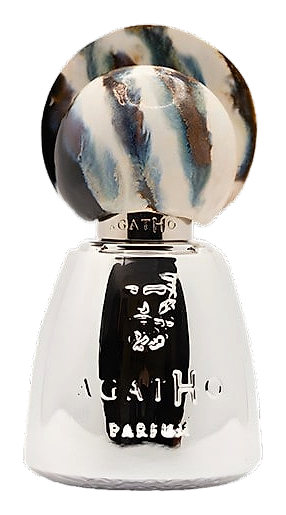
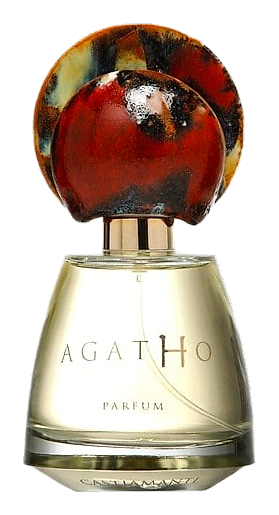
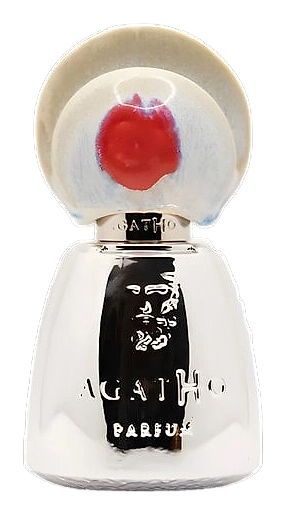
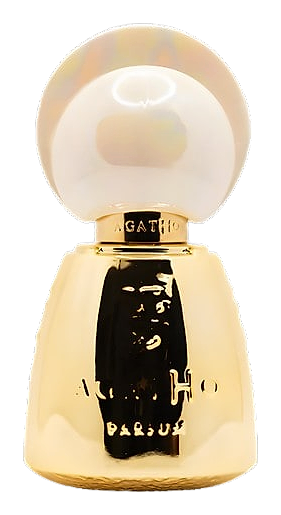
Agatho ParfumAgatho Parfum is an Italian niche fragrance house that draws creative inspiration from the ancient perfumery traditions of Pompeii. The brand interprets historical Roman olfactory culture through a contemporary lens, translating archaeological and literary references into wearable compositions. Operating from Italy, the house has produced a collection of 18 fragrances since its launch, each named after figures, places, and concepts rooted in classical antiquity. The collection includes releases spanning from 2019 through 2025, with notable works such as Giardinodiercole (2019), Bronzeo (2024), and the 2025 trio of Cinisca, Portamarina, and Vettii. The brand occupies a distinctive position within the niche fragrance market by anchoring its identity in a specific historical moment rather than pursuing broader artisanal trends.
The Creator
Maurizio CerizzaCerizza's work reflects the discipline of the Roure method he absorbed early in his career. He favors working with natural materials, drawing on his family's deep expertise in extraction and distillation to inform every creation.