





Heritage
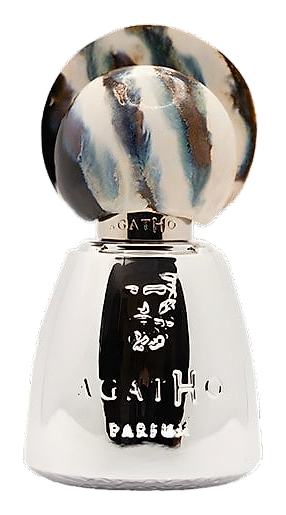
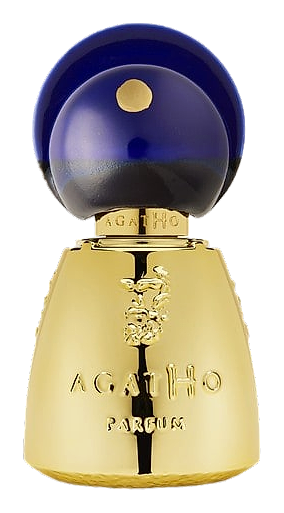
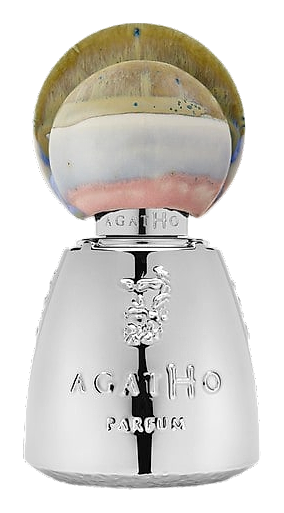
A house, in its own words
The name Agatho derives from a historical figure associated with the art of perfumery in ancient Pompeii, where ointments and aromatic preparations were crafted for Roman aristocratic clientele. While the historical records of this individual remain fragmentary, the brand channels this legacy as its founding creative premise. Agatho Parfum emerged in 2018, with its first fragrance arriving in 2019, according to multiple independent sources documenting the house's timeline. The founding drew from a reported desire to reconstruct or reinterpret the olfactory universe known to ancient Mediterranean civilizations, using surviving texts, archaeological evidence of cosmetic and fragrance practices, and comparative botanical knowledge as reference points. Rather than claiming direct lineage to a surviving ancient recipe, the brand positions itself as an interpretive project, re-imagining what Roman perfumery might feel like when translated through modern chemistry and craftsmanship. The Italian origin of the house grounds this project in the same geographical region that inspired it, lending geographical continuity to the concept. Since its inception, the brand has expanded to eighteen releases, each titled to evoke specific elements of classical culture, from geographical references like Portamarina to mythological and historical figures. Agatho Parfum operates from the premise that ancient civilizations possessed sophisticated olfactory knowledge worth revisiting and reconstructing. The brand's creative approach centers on translation rather than replication, taking inspiration from surviving accounts of Roman fragrance practices and adapting those principles using contemporary perfumery materials and techniques. This methodology distinguishes the house from brands that simply invoke antiquity as aesthetic window dressing. The philosophy embraces the challenge of bridging two thousand years of cultural and chemical distance, acknowledging that direct recreation of ancient formulations would be impossible given the evolution of both natural ingredient availability and perfumery science. Instead, each fragrance represents an act of informed imagination, guided by research into historical texts, archaeological findings from Pompeii and Herculaneum, and comparative study of ancient cosmetic traditions. The naming conventions reinforce this intellectual engagement with the past, selecting titles that connect individual scents to specific figures, locations, or concepts from Roman history. This approach treats fragrance as a vehicle for cultural narrative rather than merely a sensory product, inviting wearers into a dialogue with historical memory.