The Story
Why it exists.
The beginning
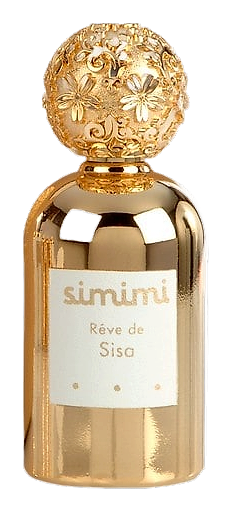
The name belongs to Sisa Abu Daooh, an Egyptian woman who disguised herself as a man to work and feed her daughter. In 2015, at sixty-five, she received Egypt's Motherhood Award for exactly that kind of devotion. Simimi built Rêve de Sisa in 2016, with Paolo Terenzi composing, as a portrait of that fierce, private love. Not the romance-novel version of femininity, but the version that gets things done before breakfast. The bottle is meant to carry the same contradictions the woman did: sweetness layered over steel.
Terenzi built the structure backward from what Sisa's life actually required. Toffee opens and closes the composition, a sugar thread that runs through every phase like muscle memory. The heart pulls toward heliotrope, which carries the powdery, almond-adjacent softness often associated with milk baths and maternal warmth, a deliberate echo of the Egyptian imagery. Pineapple and galbanum cut the opening just enough to keep it from cloying, and tonka plus vanilla in the base carry the gourmand weight without tipping into pastry-shop territory.
The evolution
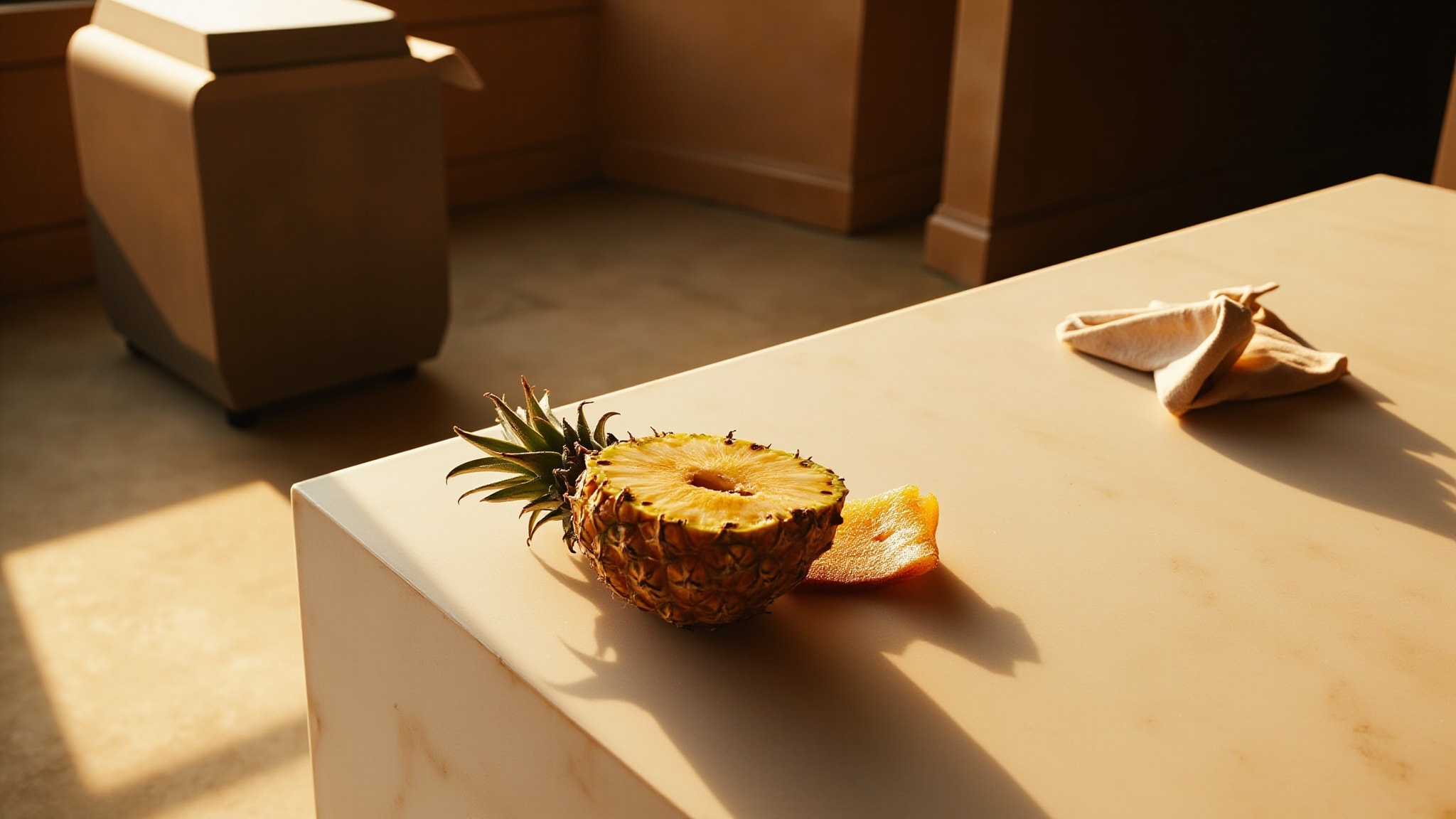
The opening belongs to toffee and pineapple, sweet and slightly sharp, like the sugar crust on something just pulled from heat. Galbanum works underneath, a green wire that keeps the sweetness honest and prevents it from sliding into pure confection. The heliotrope eventually steps forward, and the whole composition gets quieter, shedding some of its sugary loudness for a softer, more powdery register. Rose and jasmine arrive not as a loud floral bouquet but as a whisper under that powder, the way milk steam rises from a cup, present without ever asking to be noticed. As the fragrance wears, the toffee softens into something closer to warm caramel, and the vanilla starts to glow at the edges, lending the composition a golden warmth that sits close to the skin.
Cultural impact
Rêve de Sisa draws its gravity from the Sisa Abu Daooh narrative, a story that gives it a weight most sugar-led fragrances skip entirely. The gourmand notes stop feeling like indulgence and start functioning as a kind of personal history, a wearable homage rendered in vanilla, toffee, and powder rather than prose. The florals underneath never soften into pure prettiness; they hold a spine that keeps the sweetness from tipping into the purely decorative. Wearers tend to be people who like their florals with backbone and their gourmands without apology, people drawn to compositions that ask for a second sniff rather than offering instant charm.