The Story
Why it exists.
The beginning
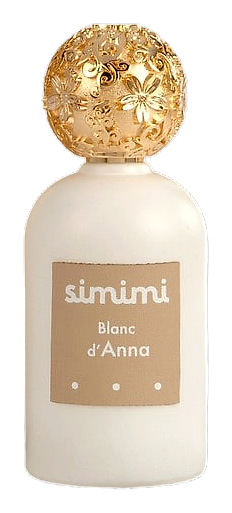
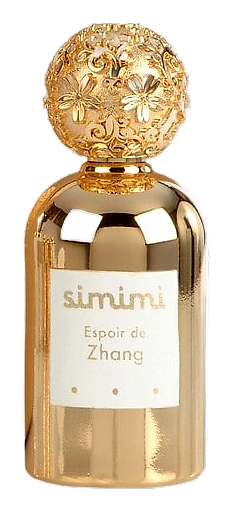
Blanc de Zhang is a dedication. Named for Zhang, mother of Mencius, the philosopher second only to Confucius in Chinese thought, the fragrance is Simimi's olfactory portrait of devotion. Paolo Terenzi composed it in 2016, building a scent around the idea of quiet strength: warmth that doesn't demand attention, presence that persists without performance. It's a fragrance about what endures, not what announces itself. The choice of oriental florals over sharper notes, jasmine, magnolia, Bulgarian rose, suggests softness as power, the kind that raises a child alone and becomes a model of maternity across millennia.
The structure is unusual in how honestly it wears its warmth. Coconut and plum open with a tropical lushness that could tip into something generic, but Terenzi anchors them quickly. The heart, magnolia, jasmine, Bulgarian rose, is dense rather than airy, almost greenhouse-heavy. What follows is the real trick: a base of vanilla flower, almond, and tonka bean that doesn't project. It hovers. It stays. That's the nod to Zhang herself, a devotion expressed not in grand gestures but in what lingers.
The evolution
The opening arrives sweet and immediate: coconut cream softened by plum's fruit. For the first thirty minutes, this is tropical in the best sense, warm skin, not beach tourist. Then the florals take over, and they mean business. Magnolia pushes through, dense and buttery, with jasmine and Bulgarian rose joining to create something that smells less like spring garden and more like a florist's back room at noon. The handoff takes another hour. By hour three, the base notes arrive and everything slows down. Vanilla flower and almond create a gourmand creaminess that stays close to the skin, not a projection scent, but a presence. White musk keeps it intimate. Tonka bean adds a quiet depth. The sillage drops from moderate to subtle, the kind of trail that someone standing beside you notices rather than someone across the table. By hour six, on dry skin, what remains is a skin-warm whisper of vanilla and white musk. Still there. Still warm. That's the payoff.
Cultural impact
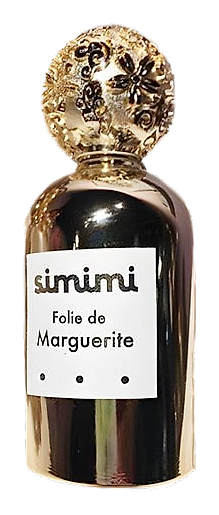
As part of Simimi's 2016 debut collection, Blanc de Zhang joined a house built on the idea that fragrance is emotional recall rather than decorative scent. Its oriental-floral structure with gourmand leanings places it within a niche tradition of comfort-focused compositions, scents designed for presence rather than performance, intimacy rather than announcement.
The House
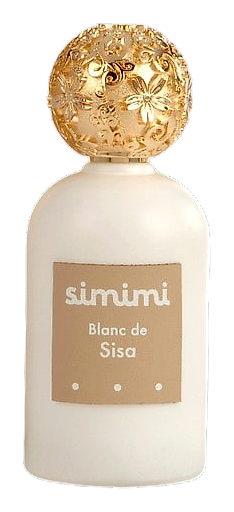
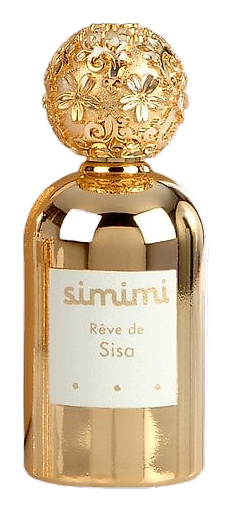
SimimiSimimi is a Barcelona-based niche fragrance house that centers its creative identity around the concept of scent as a vessel for memory. The brand positions itself within the higher echelons of artisanal perfumery, offering compositions that reportedly blend French olfactory traditions with Spanish Mediterranean sensibility. Simimi's catalog features a curated selection of fragrances with evocative titles drawn from personal names, suggesting narratives embedded within each bottle. The house operates as a boutique operation, with the founder reportedly engaged in hands-on formulation work, studying raw materials and molecular structures to develop fragrances with intentionality. The brand's aesthetic and messaging emphasize personal expression over commercial fragrance conventions.
The Creator
Paolo TerenziWorking from a studio filled with rare essences and precious ingredients, Terenzi gravitates toward oud wood, ambergris, and benzoin resin, among other treasured materials. His creative ritual begins each morning with meditation before he gives free rein to instinct.