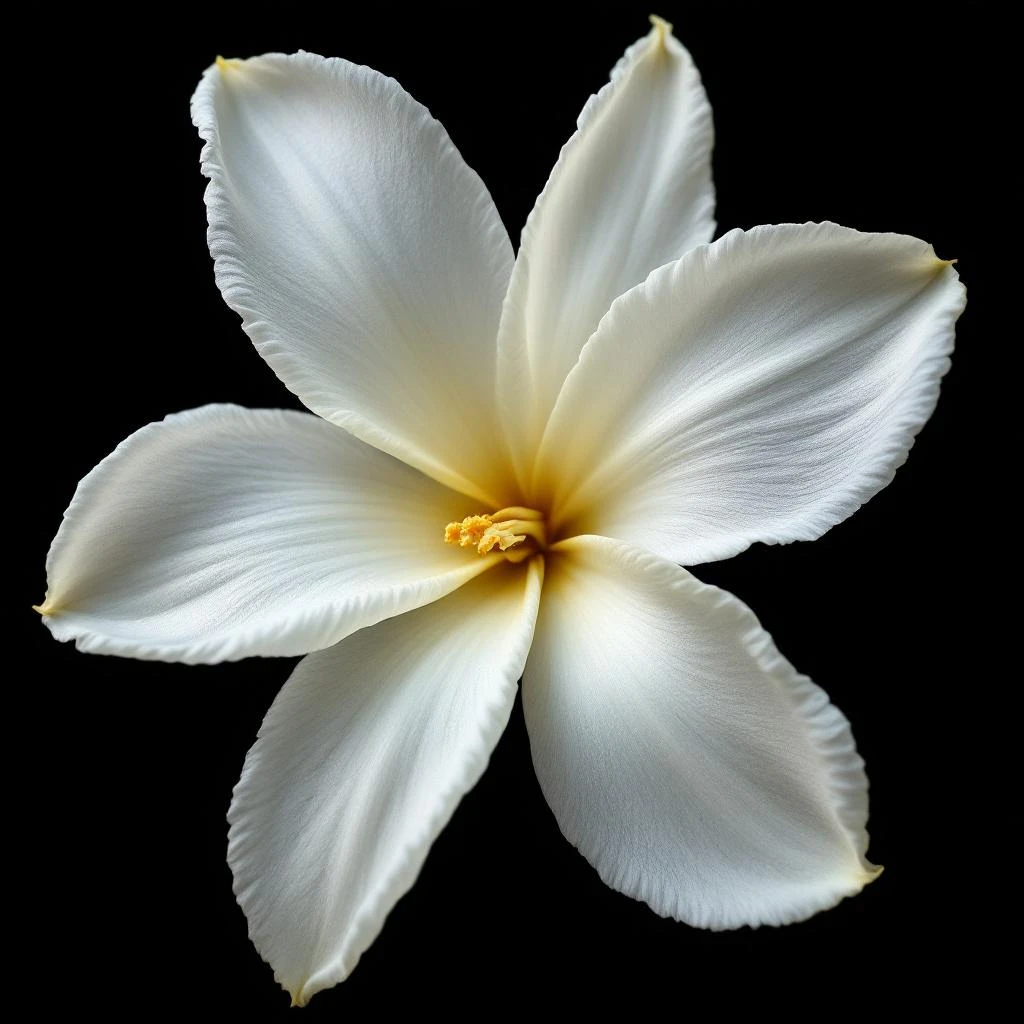
Vanilla Flower
The only fruit-bearing orchid in the world, vanilla produces pods that yield one of perfumery's most coveted aromas. Nine months of patient cultivation transform green pods into aromatic brown beans, capturing a warm, creamy scent that has defined comfort in fragrance for centuries.
Character
How it smells
Comfort in its most seductive form.
Vanilla is the only edible fruit-bearing orchid on Earth. The hand-pollination technique used worldwide was discovered in 1841 by Edmond Albius, who was just 12 years old.









Origin
Mexico
The Totonac people of Mexico first cultivated vanilla, valuing it so highly they used the pods as currency. The Aztecs adopted vanilla as a luxury ingredient, blending it with cacao to create the drink reserved for Emperor Montezuma. When Spanish conquistadors arrived in the 1500s, they brought vanilla back to Europe and gave it the name vainilla, meaning "little pod" in Spanish. Europeans initially valued vanilla for medicinal applications, using it to treat stomach complaints and lift spirits.
Perfumers began incorporating the ingredient into formulations by the late 1700s. A botanical puzzle limited vanilla cultivation for centuries: outside Mexico, the orchid flowers would not produce fruit. Only the Melipona bee could pollinate the flowers naturally, and this bee lived only in Mexico. The solution came in 1841, when Edmond Albius, an enslaved worker on the island of Réunion, discovered that a simple stick could transfer pollen between flowers.
This hand-pollination technique allowed vanilla to be cultivated in Madagascar, India, Java, and Uganda. Madagascar became the world's leading producer, and today the island supplies roughly 80 percent of global vanilla. While synthetic vanillin appeared in the late 1800s, natural vanilla remains irreplaceable in fine perfumery for its complex, layered aroma.
Wears it best
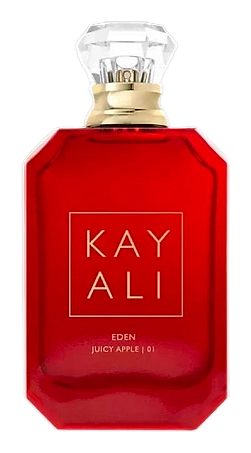
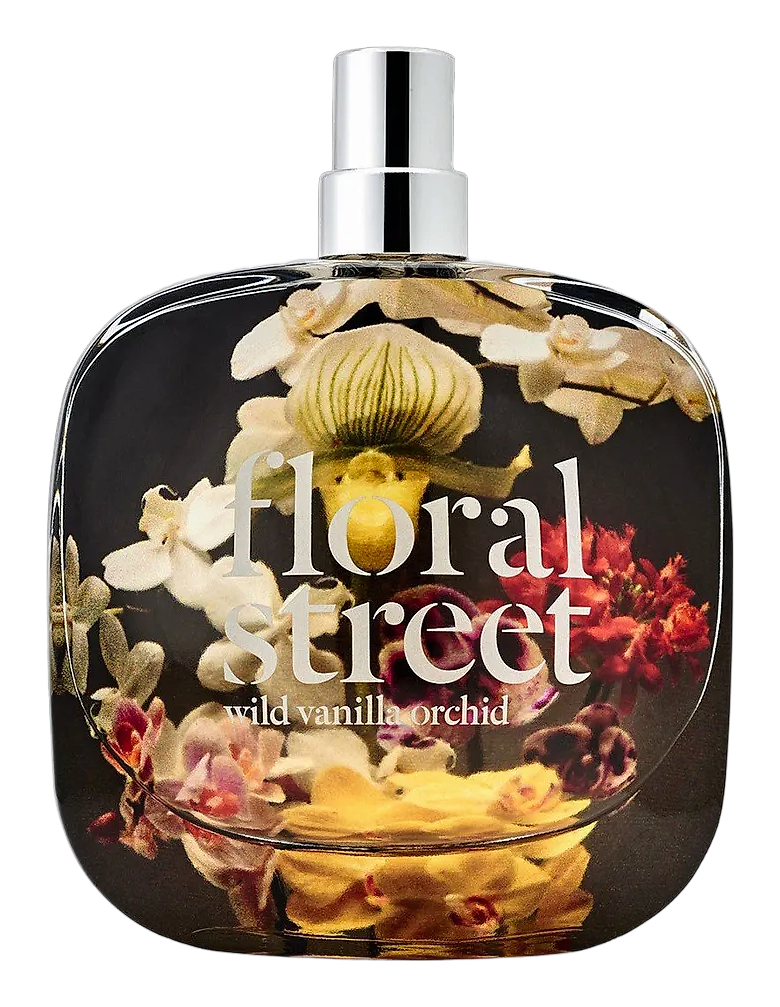
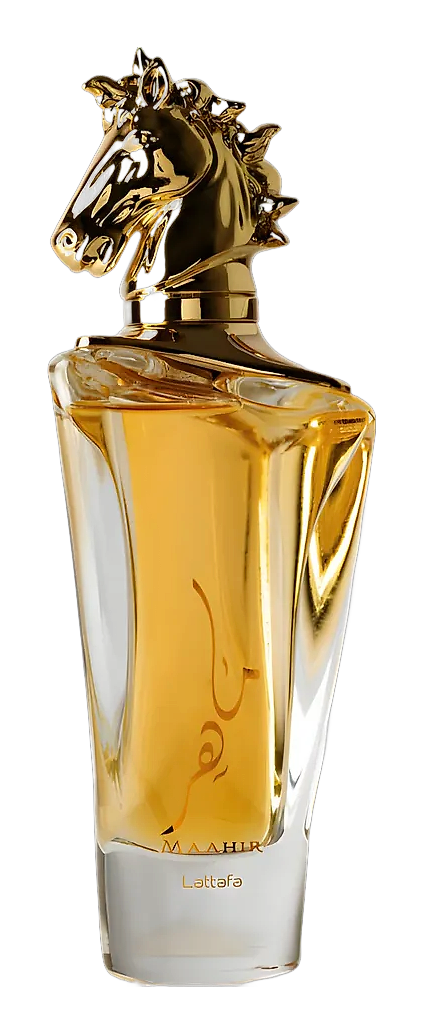
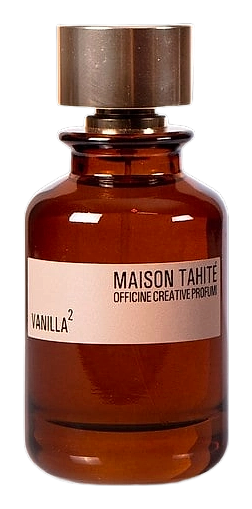
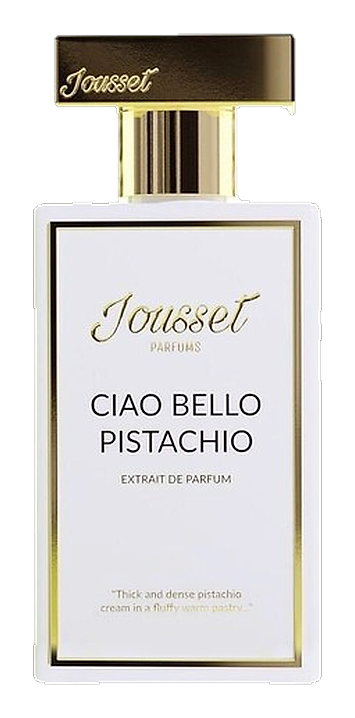
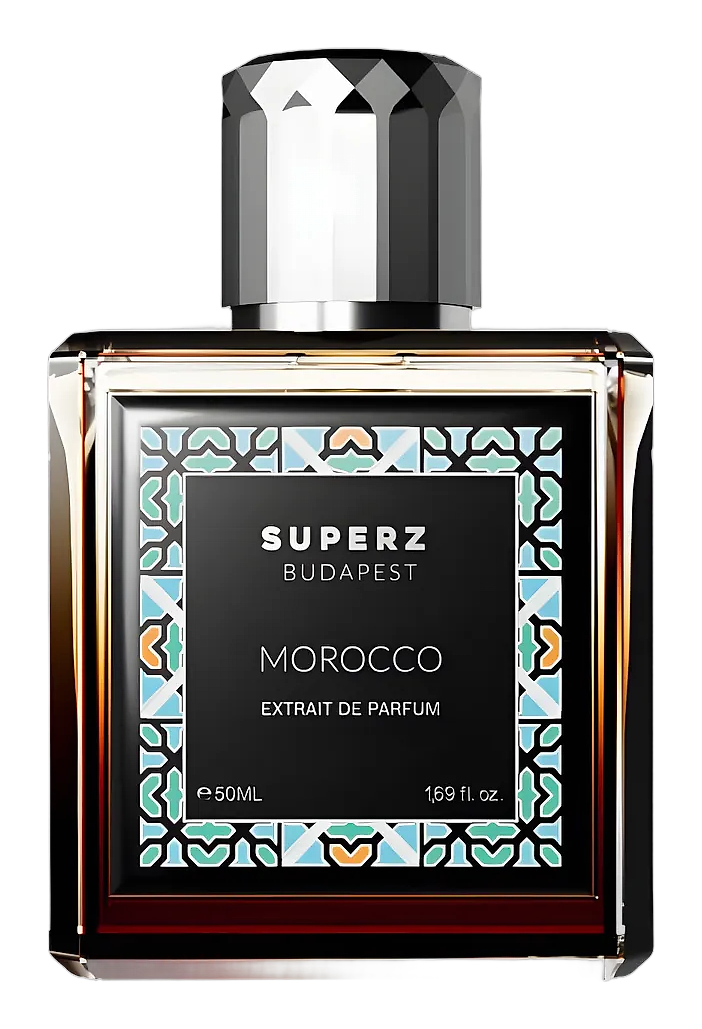
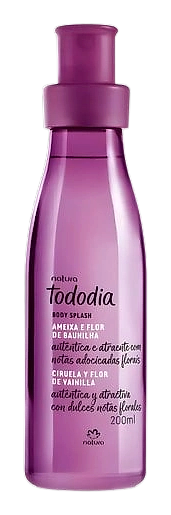
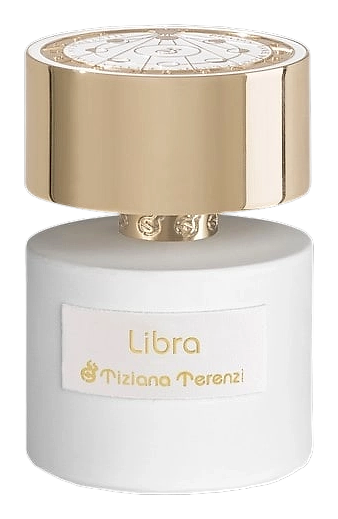
Fragrances featuring Vanilla Flower



Brands
Brands known for Vanilla Flower
Good to know
Questions, answered
The essentials on Vanilla Flower in perfumery: how it smells, where it comes from, and how it behaves on skin.
Is vanilla in most fragrances natural or synthetic?
Most fragrances contain synthetic vanillin rather than natural vanilla. Natural vanilla absolute costs $2,000 to $6,000 per kilogram, making it prohibitively expensive for most commercial perfumery. Synthetic alternatives provide the signature sweet aroma at a fraction of the cost.
Why is natural vanilla so expensive?
Natural vanilla commands premium prices because each pod requires nine months of growth followed by a multi-year curing and extraction process. Hand-pollination, sun-drying, and months of maturation in wooden trunks contribute to the high labor costs. A single kilogram of natural vanilla absolute requires hundreds of kilograms of cured pods.
What fragrance families work well with vanilla?
Vanilla adapts across multiple fragrance families. Oriental compositions often pair vanilla with amber, benzoin, and labdanum. Gourmand fragrances combine it with chocolate, caramel, or tonka. Floral scents can include vanilla alongside jasmine or iris. Even woody compositions use vanilla to add warmth and sensuality to sandalwood or cedar bases.
How does vanilla affect perfume longevity on skin?
Vanilla functions as a natural fixative due to its warm, persistent character. The molecule vanillin slows the evaporation of lighter top notes, extending their presence throughout wear. Perfumers frequently use vanilla to anchor citrus, green, or fruity opening notes and ensure they linger rather than disappear within minutes.
Is synthetic vanillin a good alternative to natural vanilla?
Synthetic vanillin provides the recognizable sweet vanilla aroma but lacks the complexity of natural extracts. Natural vanilla absolute contains hundreds of aromatic compounds that create woody, smoky, and balsamic facets alongside the sweet note. Niche and luxury perfumers often specify natural vanilla specifically for its multidimensional character.
What does vanilla absolute smell like beyond sweetness?
The sweet vanillic note dominates, but trained noses detect woody, slightly smoky, and resinous undertones in vanilla absolute. These secondary facets allow vanilla to function in unexpected contexts, from leather and tobacco compositions to fresh aquatic fragrances, adding warmth without predictability.
Can I use vanilla in any type of fragrance formulation?
Vanilla behaves well in oil-based and alcohol-based preparations, though solubility varies. In solid perfumes, vanilla pairs naturally with waxes and carrier oils. The ingredient blends smoothly with floral absolutes, spice extracts, and resinous materials, making it one of the most versatile natural materials available to perfumers.
What makes vanilla so distinctive compared to other sweet ingredients?
Vanilla remains unique among sweet materials for its combination of warmth, sensuality, and comfort. No synthetic or natural alternative delivers the same quality of "comfort on skin." Its dual nature as both fresh and nostalgic, relaxing yet invigorating, keeps vanilla as a cornerstone note across fragrance families and eras.


