The Story
Why it exists.
The beginning
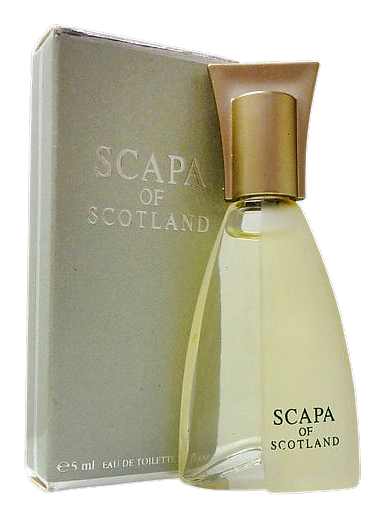
Olivier Decoster composed Scapa of Scotland, a fragrance that surfaced in the early 1990s from a house with a thin archival presence. The Scottish name conjures imagery of remote northern terrain, a sense of wind and coastline and weathered stone, though the composition itself translates that mood into abstract fragrance language rather than literal landscape notes. Decoster's structure leans into a green-floral composition built around neroli and melon in the opening, unfolding into a heart where oakmoss and rose hold the center, then settling into a base of amber and vanilla. The result reads as an atmospheric study in distance and quiet, a scent that suggests weather and openness without resorting to obvious marine or earthy accords.
What makes the composition interesting is the juxtaposition of its top and base. Melon and neroli up top are bright, almost edible, the kind of notes that usually disappear inside an hour. Here they're anchored by oakmoss at the heart, a material that smells like damp earth and old bark, which drags the opening downward before it can evaporate. The sandalwood and rose bridge does the rest, softening the moss into something more wearable than a straight chypre. Then the base, amber, musk, vanilla, takes the earthy green and wraps it in warmth. The tension between fresh-fruity opening and earthy-amber drydown is the whole architecture.
The evolution
The first thirty minutes belong to the melon and neroli, cool and almost watery, with a faint white-floral hum from the jasmine threading underneath. It's the most cheerful phase, bright enough for a spring morning. By the one-hour mark the oakmoss has taken over, pulling the scent down into a green, slightly bitter register that feels closer to walking through wet grass than wearing perfume. Rose arrives in the second hour, soft and powdery, sitting on top of the moss like something half-remembered. The sandalwood emerges quietly around hour three, adding a creamy warmth that softens everything without sweetening it. By hour five the composition has settled fully into its base: amber and musk doing the close work, with vanilla just barely present underneath, more texture than sweetness. On clothing, especially knit or wool, the drydown can last into the next day, a faint warm-woody trace that doesn't project but doesn't quit either. It's a long-wearing composition that stays close to skin rather than filling space.
Cultural impact
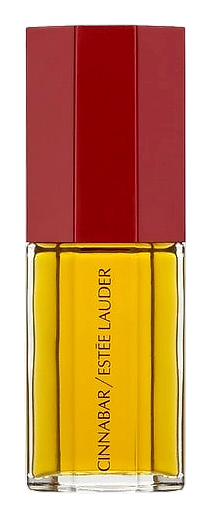
Scapa of Scotland occupies a modest place among green-floral compositions from the early 1990s, a period when oakmoss, sandalwood, and amber bases anchored many notable releases. The fragrance shares some aesthetic territory with Estée Lauder Cinnabar, another composition from the era that built around warm amber and mossy foundations, though Scapa of Scotland reads as a softer, more floral-leaning variation on that template. The bottle design is credited to Pierre Dinand, a designer associated with several notable fragrance flacons.