
The Story
Why it exists.
The beginning
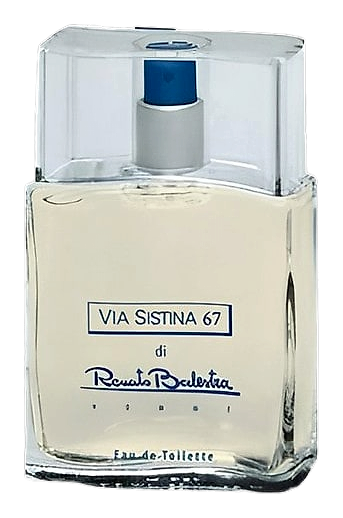
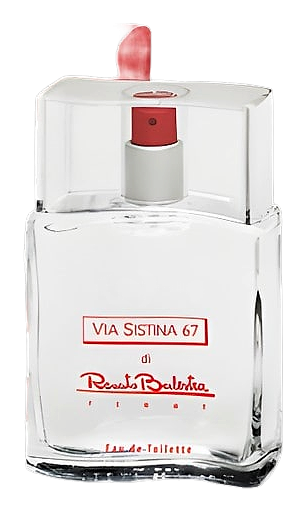
Via Sistina 67 Femme arrived in 2001 with a name rooted in Roman geography, the Via Sistina being one of the storied streets that climb toward the Spanish Steps in Rome. The address in the title carries weight precisely because of where it points. Perfumer Bertrand Duchaufour composed the scent as an olfactory extension of dress and mood, fabric and gesture compressed into something wearable. The fragrance opens with an unusual structural choice that signals Duchaufour's intentions immediately, placing materials where they are not expected. The result reads like a carefully composed still life: fruit and flowers arranged against amber light, a visual gesture translated into vapor.
What makes the structure unusual is how Duchaufour opens with labdanum as a top note. Most compositions use it as a base resin, anchoring deeper layers. Placing it in the opening alongside blackcurrant and mandarin gives the first thirty minutes a balsamic undertone, a resinous warmth that bridges into the jasmine-orchid heart before the full amber-sandalwood base takes over. The lily notes add a green crispness that keeps the sweetness from going cloying, almost a stem-freshness cutting through the richer accords.
The evolution
The first ten minutes are almost appetizer-like: pear and mandarin peel back to reveal blackcurrant, with that labdanum doing something warm and slightly sticky underneath, like fruit juice on warm wood. By the thirty-minute mark the jasmine arrives, and the whole thing shifts register. Orchid softens the edges, and the composition stops being a fruit basket and starts being a woman wearing perfume. Around the two-hour mark the floral bouquet recedes and the base takes its position: Brazilian rosewood, sandalwood, and amber working together like a low hum, vanilla threading sweetness through the woodiness without making it gourmand. By hour five the scent has settled into a skin-close musk-amber warmth, the kind of drydown you catch when you lean your head against someone's shoulder.
Cultural impact
Via Sistina 67 Femme sits within a small but distinctive chapter of early-2000s Italian perfumery. Launched in 2001, it represented a moment when fashion houses were treating fragrance as an extension of couture identity rather than a separate commercial venture. The composition by Bertrand Duchaufour paired resinous labdanum with blackcurrant in a way that felt deliberate and architectural, anchored by a floral heart built around jasmine, orchid, and lily. The opening's fruit-resin tension gave way to a soft, powdery midsection before settling into the warm woods and amber that close the composition.
The House
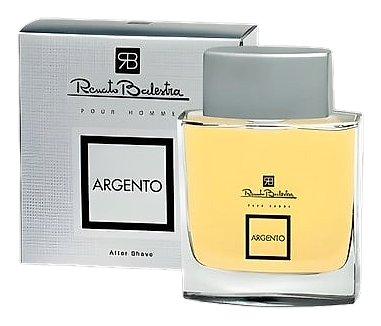
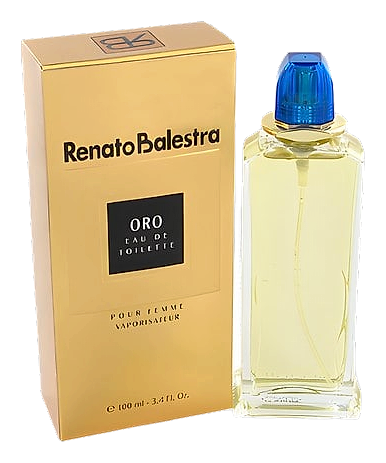
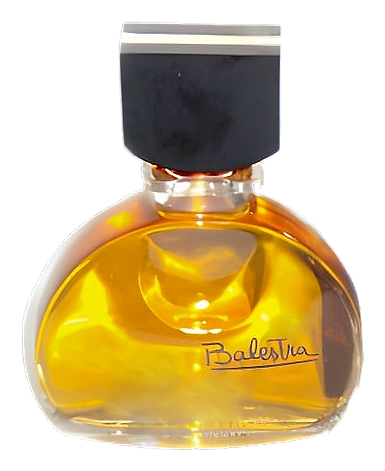
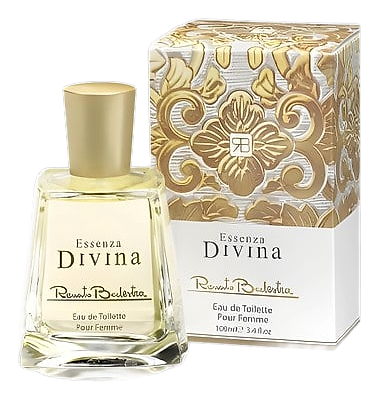
Renato BalestraRenato Balestra was an Italian fashion house founded by designer Renato Balestra (1924–2022), headquartered in Rome where it maintained its atelier for over six decades. The brand translated Balestra's training as a painter into women's wear known for romantic silhouettes and rich fabrics. Balestra entered the fragrance market relatively late for a fashion house, launching its first scent in 1978. The label subsequently built a collection spanning both men's and women's fragrances, including the enduring Renato Balestra Pour Homme from 1982, the Via Sistina 67 duo from 2001, and later entries like Essenza Divina and its flanker in 2012. The company remained family-controlled throughout Balestra's lifetime, passing with his death in 2022. The brand has since introduced new fragrance directions, including its first unisex eau de parfum under the Balestra 1924 label.
The Creator
Bertrand DuchaufourDuchaufour is the master of smoke and shadow, of incense rendered with painterly depth rather than theatrical force. Where many perfumers treat frankincense as a single note, he builds incense as a tonal range, capable of austerity or warmth depending on what the fragrance dem…