
The Story
Why it exists.
The beginning
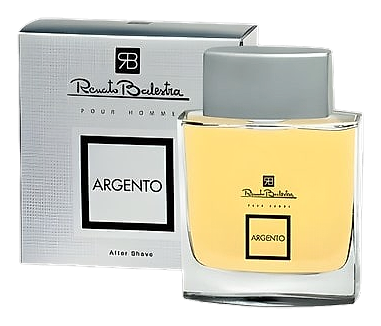
Argento Pour Homme arrived in 1997 from Renato Balestra, the Italian fashion house built by a painter who turned to clothes. The house was headquartered in Rome, where Balestra trained the atelier's eye on romantic silhouettes and rich fabrics, garments that moved like brushstrokes across the body. For this fragrance, perfumer Bertrand Duchaufour brought that same painterly sensibility to the composition. The name says it all: argento, silver. Light, refinement, the particular brightness of something polished without being cold. This was the house translating its visual language into scent, intimate warmth for someone who doesn't need the room to know they're there.
What makes Argento interesting is its willingness to pair materials that don't always share the same sentence. The neroli and cardamom open like a contradiction, citrus oils with that warm, almost savory spice, before the rose appears in the heart. But this isn't a rose that announces itself. It's threaded through with lily of the valley and cyclamen, florals that soften rather than shout, while coriander adds a green, slightly herbaceous counterweight that keeps the whole heart from going sweet. The result is a masculine fragrance that earns its florals honestly, without apology or excess. It's a composition that trusts the wearer to understand nuance, and if you've found your way here, you probably do.
The evolution
The opening hits fast and bright, lime and mandarin orange charging in with neroli and cardamom lending structure. For about thirty minutes, this is citrus-forward and assertive. Then the florals take over. Rose doesn't burst in so much as gradually assert itself, the lily of the valley and cyclamen providing texture without sweetness. The coriander keeps things grounded, slightly green, slightly herbaceous. By hour two, the base begins its slow arrival. Cedar first, then patchouli's earthiness, with oakmoss providing the chypre anchor. Musk softens everything, keeps it close. Four to six hours in, this becomes a skin scent, intimate, warm, the kind of fragrance that lingers on a collar long after you've left the room.
Cultural impact
Argento Pour Homme arrived at a moment when many fragrances were chasing bold, linear sillage. This 1997 release took a different path, formal Italian restraint, chypre structure, an emphasis on close presence over room-filling projection. It's endured because chypre principles never fully go out of style, and because some wearers never lost their appetite for a fragrance that rewards proximity rather than distance.