
The Story
Why it exists.
The beginning
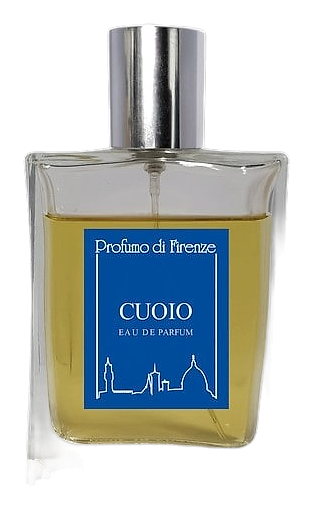
Florence has tanned leather since the Middle Ages. The guilds turned it into an art, the workshops carried it into the modern era, and the city's reputation was built on that material long before anyone bottled its smell. Cuoio, Italian for leather, draws directly from that tradition. The name is the concept. Everything else is execution. Where most leather fragrances lean smoky or sweet, this one pushes toward herbal and aromatic, letting lavender and rosemary do the heavy lifting while birch tar anchors the composition. The result reads like an olfactory portrait of Florence itself: cultivated, raw, and stubbornly specific. The lavender here doesn't behave the way it does in a Provençal fougère, where it plays the polite sidekick to a dominant lavender top note.
Birch tar and lavender are not natural companions. One is smoke and rubber, the other is soap-clean and herbal. What Galardi does is braid them so tightly that the birch smells almost medicinal at the top, lavender and rosemary pulling it toward something bright and surgical, like the interior of an old apothecary where leather pouches once stored dried herbs. The thyme and rose in the middle keep things from going too austere, adding a green sweetness that softens the leather's eventual entrance without softening the leather itself. It's a structure built on controlled friction.
The evolution
The first fifteen minutes smell nothing like leather. Lavender and birch dominate, sharp and slightly tarry, almost like the inside of a workshop before the day's work begins. Rosemary cuts through with green clarity. Then something shifts. The thyme arrives, then rose, and the composition rounds out into something warmer and more floral than the opening suggested, magnolia adding a creamy body underneath. By the second hour, the leather has taken over fully, but it's not the dry, saddle-leather accord of a classic men's fragrance. It's richer, resinous, with labdanum giving it an almost incense-like warmth. Vanilla and tonka bean sit underneath, sweet but restrained, preventing the leather from reading harsh. The patchouli and sandalwood ground everything, keeping the drydown close to skin. What's left is a soft, warm leather-amber trace that holds its shape well into the late hours.
Cultural impact
Cuoio sits at the intersection of niche leather perfumery and heritage Italian craft. It roots itself specifically in Florentine leather-making heritage, and it does so without leaning on the usual masculine tropes that dominate the leather category. The prominent lavender gives it a wearability that more aggressive leather compositions lack, while the dense, resinous base keeps it firmly in niche territory rather than letting it drift into mainstream aromatics. It's the kind of scent that appeals to people who want leather without the usual masculine tropes, or who want something that smells distinctly Italian without being crowd-pleasing.