
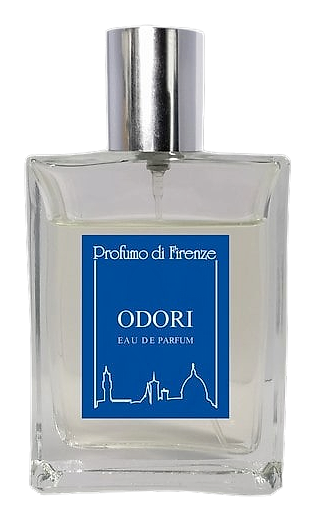
The Heritage
The Story of Profumo di Firenze
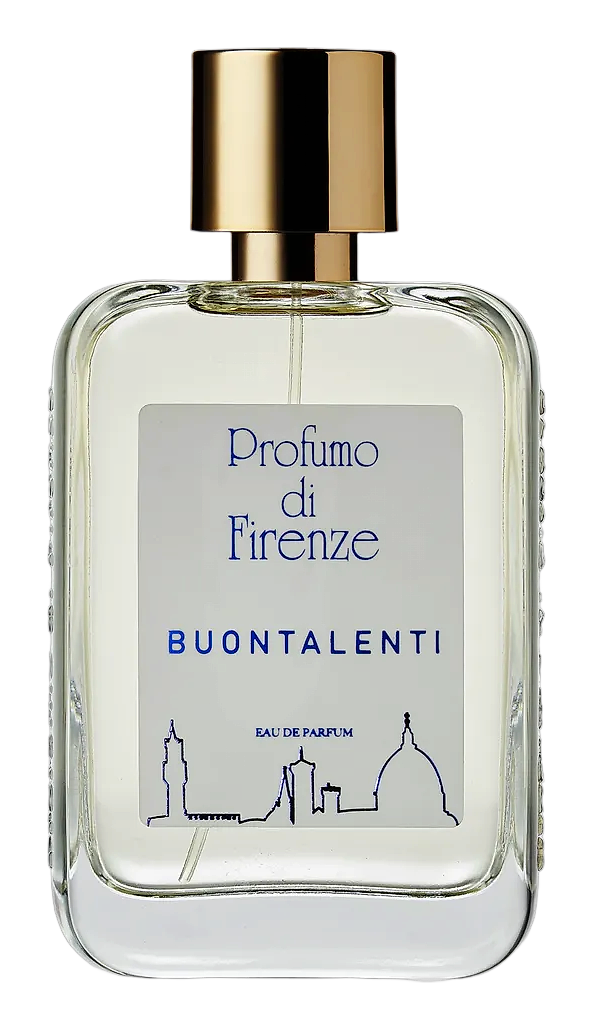
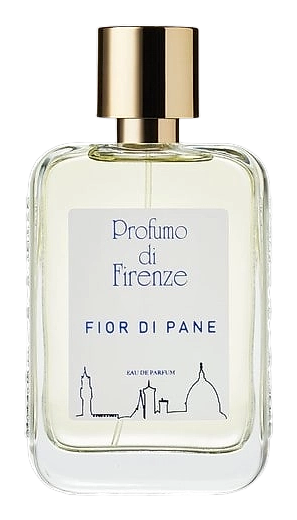
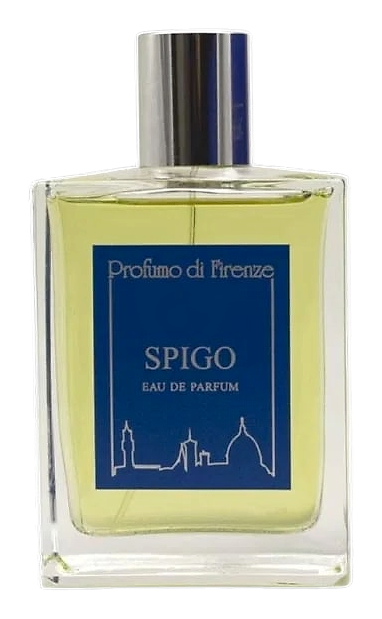
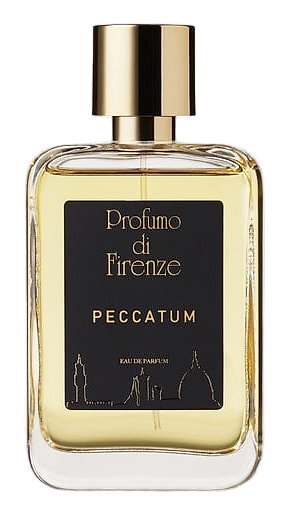
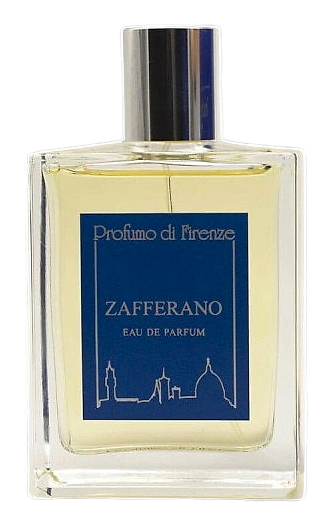
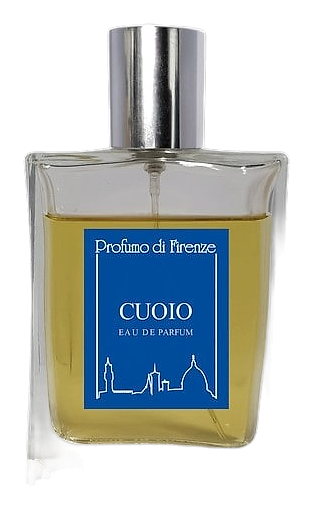
Profumo di Firenze is the English-facing identity of the Officina Profumo-Farmaceutica di Santa Maria Novella, a Florentine institution founded by Dominican friars in 1221 and officially opened to the public in 1612. Recognized by multiple independent sources as the oldest continuously operating pharmacy in the world, it occupies the same site in Florence that its founders established over eight centuries ago. The brand crafts fragrances rooted in monastic herbal traditions, with historical preparations including rose water used during the Black Plague and remedies that sustained the city through centuries of epidemic. Its fragrance collection spans centuries of Florentine history, with names referencing local landmarks (Buontalenti), botanicals (Zafferano, Spigo), and literary figures (Matelda). The aesthetic reflects Renaissance pharmacy design, with antique-style glass bottles, parchment labels, and classical typography that reinforce the brand's living-museum status. Products remain available at the historic Via della Scala location, where visitors encounter a space that functions simultaneously as pharmacy, perfume house, and tourist destination. The brand bridges apothecary and haute parfum traditions, translating medieval herbalist knowledge into contemporary fragrance compositions.
Heritage
The story of Profumo di Firenze begins in 1221, when Dominican friars arrived in Florence and established a monastic pharmacy at Santa Maria Inter Vineas (later Santa Maria Novella). According to Wikipedia and corroborated by multiple travel publications, these friars cultivated medicinal herbs in monastic gardens, crafting herbal remedies and rose water for the local population. During the Black Plague that ravaged Europe, the friars reportedly supplied preparations believed to have helped Florence survive. The pharmacy operated continuously for centuries within the monastery walls before opening to the public in 1612, a date confirmed by both historical records and contemporary travel guides. By the 16th century, the pharmacy had developed a reputation for producing highly sought-after products that attracted customers beyond the monastic community. The institution maintained its pharmaceutical function alongside its evolving role as a fragrance creator, surviving shifts in Florence's political and cultural landscape. In the 19th century, the pharmacy introduced its signature Acqua di Santa Maria Novella fragrance, marking its formal entry into perfumery. The transition from monastic apothecary to public pharmacy with a commercial fragrance line represents a gradual evolution documented across multiple historical accounts. Unlike perfume houses founded in the modern era, Profumo di Firenze carries a heritage defined by unbroken institutional continuity, functioning as both a historical artifact and a living commercial enterprise. The brand's fragrances draw from this reservoir of tradition, with names referencing Florentine Renaissance figures (Buontalenti), botanical ingredients (Zafferano, Spigo), and literary characters (Matelda). This heritage distinguishes the brand from fragrance houses that construct historical narratives; here, the history is the product, embedded in every formula and package.
Craftsmanship
The craftsmanship of Profumo di Firenze reflects its dual identity as pharmacy and fragrance house, drawing on preparation methods that evolved over centuries of herbalist practice. The Dominican friars who founded the institution cultivated medicinal herbs in monastic gardens, developing expertise in botanical extraction and preservation that later informed fragrance production. According to historical accounts, rose water represented one of the foundational preparations, used both for medicinal and cosmetic purposes. The transition to formal perfumery occurred gradually, with the 19th-century introduction of Acqua di Santa Maria Novella marking the crystallization of herbalist knowledge into signature fragrance compositions. Ingredient sourcing reflects the pharmacy's location and historical networks, with Florentine botanicals featuring prominently in formulations. The Via della Scala workshop maintains equipment and methods that predate industrial-scale production, preserving techniques developed during the pharmacy's early centuries. Each fragrance undergoes preparation informed by the same botanical knowledge base that produced the pharmacy's medicinal preparations, creating a unified craft tradition that spans therapeutic and cosmetic applications. The production environment reinforces this continuity, with the shop's physical space unchanged in essential character for generations. Fragrance names reference Florentine cultural figures and botanical ingredients (Zafferano, Iris, Spigo), grounding compositions in local heritage rather than abstract fragrance families. The craftsmen responsible for production draw on documented preparations and historical formulas, approaching fragrance creation as an act of preservation rather than innovation. This methodology distinguishes the brand from fragrance houses that develop new compositions annually; here, the craft lies in faithful reproduction of established preparations.
Design Language
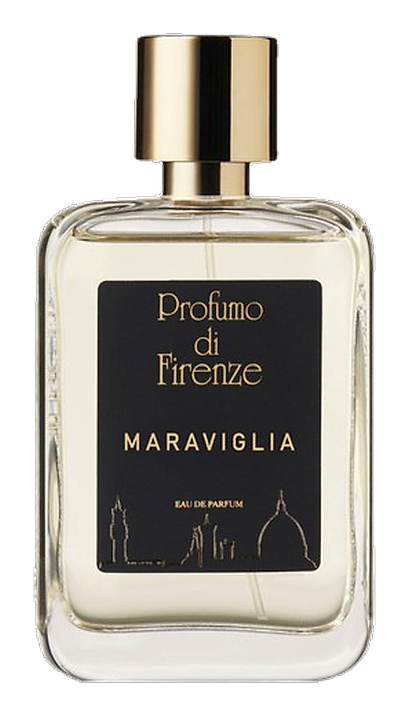
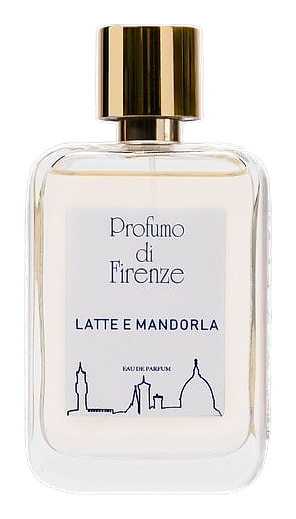
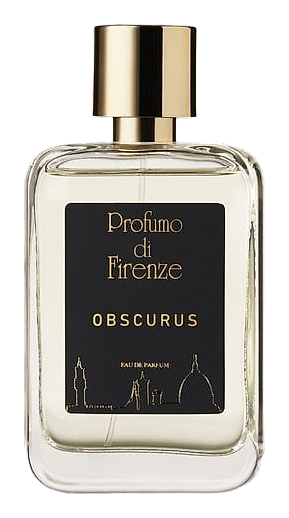
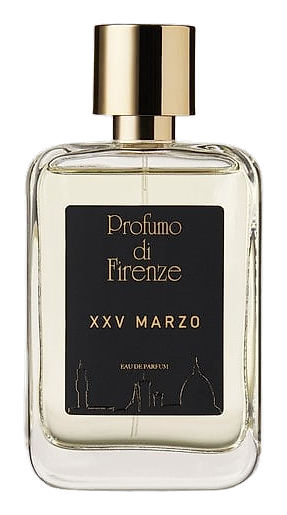
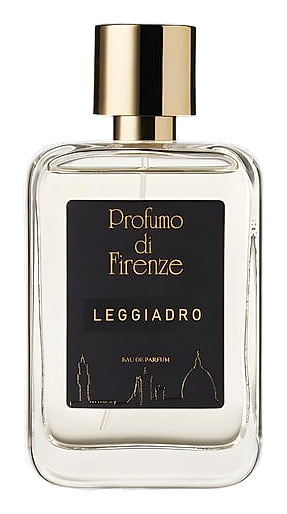
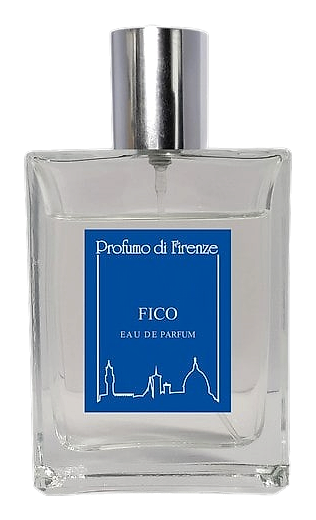
The visual identity of Profumo di Firenze draws directly from the pharmacy's Renaissance origins, presenting an aesthetic that functions as both brand image and historical preservation. Antique-style glass bottles, parchment-style labels, and classical typography communicate the brand's temporal depth, distinguishing it from fragrance houses with modernist or luxury-contemporary aesthetics. The Via della Scala shop provides the physical anchor for this visual identity, featuring preserved architectural elements that visitors encounter as part of the purchasing experience. Packaging design incorporates historically derived motifs and materials, with each label referencing the pharmacy's dual role as pharmaceutical and cosmetic producer. The aesthetic does not aspire to fashion-forward positioning or seasonal reinvention; instead, it presents a static image aligned with the brand's institutional identity. Colors tend toward earth tones and muted metallics (deep amber, aged paper, antique brass), reinforcing associations with botanical ingredients and traditional craftsmanship. The overall effect is that of a living museum where commercial activity occurs within historically significant architecture. This aesthetic approach serves the brand's positioning as a destination for customers seeking authentic heritage rather than contemporary trends. The visual identity extends to marketing materials and digital presence, maintaining consistency between the physical shop and online representation. Fragrance bottles serve as aesthetic objects, designed to function as decorative items that reinforce the brand's historical associations when displayed.
Philosophy
The philosophy of Profumo di Firenze rests on institutional continuity and the preservation of Florentine craft traditions. Rather than pursuing innovation for its own sake, the brand treats historical authenticity as its primary creative value, maintaining formulas and preparations that date to the pharmacy's monastic origins. This approach manifests in the use of ingredients sourced and processed according to methods developed over centuries, including herbal preparations cultivated in gardens tended by the friars. The brand does not position itself within contemporary fragrance trends or competitive positioning language; instead, it functions as a custodian of a specific craft lineage. The philosophy extends to the shop's role as a cultural destination, where customers encounter a space that has operated continuously since the 13th century. This temporal depth informs every aspect of the brand's self-understanding, from the Via della Scala location (unchanged for generations) to the antique glass bottles that house its fragrances. The brand's approach to perfumery is fundamentally conservative, favoring slow preparation methods and traditional ingredients over synthetic alternatives or rapid production cycles. Customers purchase not merely a fragrance but a connection to a specific historical moment and geographical place. The Via della Scala premises reinforce this philosophy through their physical architecture, which preserves Renaissance-era design elements while functioning as an active commercial space. The brand's identity as both pharmacy and perfume house reflects an older understanding of these disciplines as interconnected, with cosmetics and medicinal preparations sharing common botanical foundations. This integrated worldview shapes product development, informing decisions about ingredient selection and preparation methods.
Key Milestones
1221
Dominican friars establish a monastic pharmacy at Santa Maria Inter Vineas in Florence, cultivating herbs in monastery gardens for medicinal preparations.
1612
The pharmacy formally opens to the public, transitioning from exclusive monastic operation to a commercial establishment serving the broader Florentine population.
1300s
During the Black Plague, the friars supply herbal preparations and rose water reportedly credited with helping Florence survive the epidemic.
16th century
The pharmacy develops a reputation for highly sought-after products, attracting customers beyond the monastic community and establishing its commercial identity.
19th century
The pharmacy introduces Acqua di Santa Maria Novella, its signature fragrance, marking the institution's formal entry into perfumery.
20th century
The pharmacy gains recognition as a tourist destination and cultural landmark while maintaining continuous commercial operation.
At a Glance
Brand profile snapshot
Origin
Italy
Founded
1221
Heritage
805
Years active
Collection
2
Fragrances released
Avg Rating
4.0
Community sentiment
Release Rhythm


