
The Story
Why it exists.
The beginning
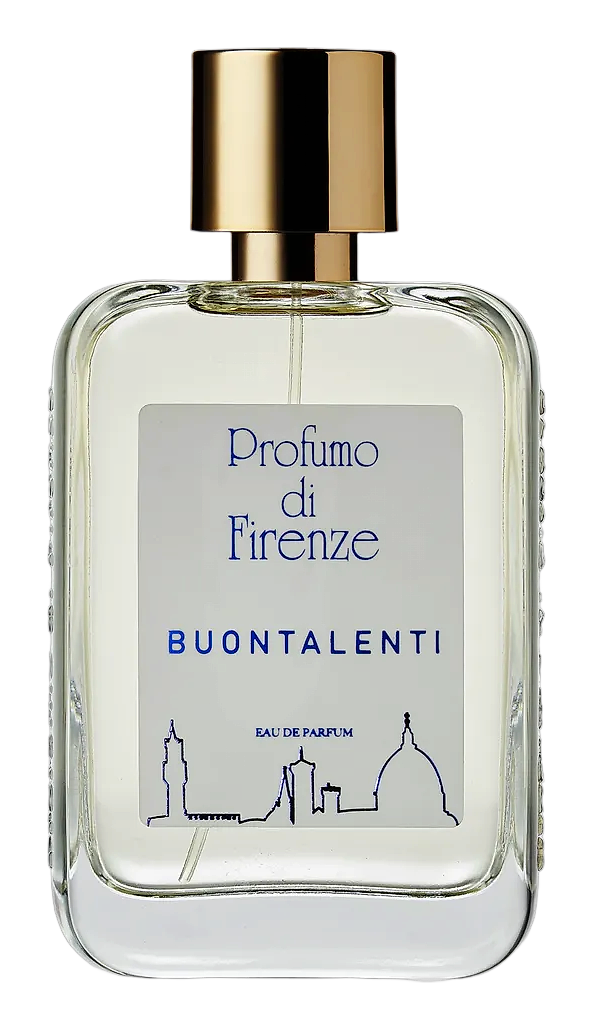
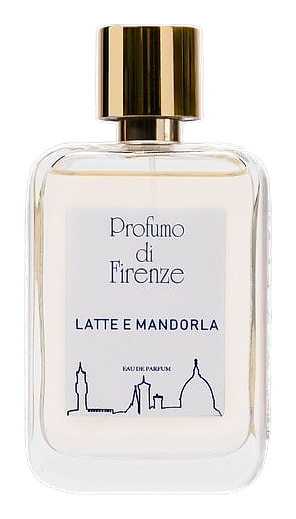
Latte e Mandorla, milk and almond, is a quiet Italian classic, the kind of thing you'd find in a Florentine café on a cold morning. Profumo di Firenze's interpretation takes that comfort and translates it into something you wear: a lactonic warmth that opens soft, then stays. The 2024 addition to the Firenze Collection doesn't shout. It whispers, and it expects you to lean in.
What makes this composition interesting is its restraint. Six notes, milk, almond, rose, anise, patchouli, musk, arranged not for complexity but for intimacy. The lactonic quality of milk and almond creates an edible warmth, but the rose and anise prevent it from becoming saccharine. Beneath that creamy surface, the anise adds a quiet spiced dimension that keeps the sweetness honest. Patchouli and musk don't project, they anchor, giving the fragrance a skin-warm quality that lasts for hours without ever becoming loud.
The evolution
The opening is immediate: milk and almond, warm and slightly sweet, like something stirred into a cup. The almond note leads the way, soft and nutty, before the rose begins to surface, not a bold floral statement, but a quiet blush beneath the creamy surface. The anise arrives next, adding a subtle spiced warmth that keeps the rose from becoming precious. As it settles, the patchouli and musk take over, creating a skin-warm base that extends the drydown for hours on most skin types. The sillage stays moderate throughout, intimate rather than announcing. By the final hours, it's a soft whisper of musk and patchouli, close enough to catch only when someone is near.
Cultural impact
Latte e Mandorla occupies a specific corner of the Profumo di Firenze catalog: intimate, lactonic, and quietly confident. It's not a statement fragrance, it's the kind of scent that works best when worn close to the skin, the kind that someone notices only when they're near. The 2024 launch represents the brand's continued exploration of accessible, skin-close compositions that honor the house's herbal traditions without overwhelming the wearer. Those who connect with it tend to reach for it regularly, drawn to its subtle charm and the way it invites closeness rather than demanding attention.