The Story
Why it exists.
The beginning
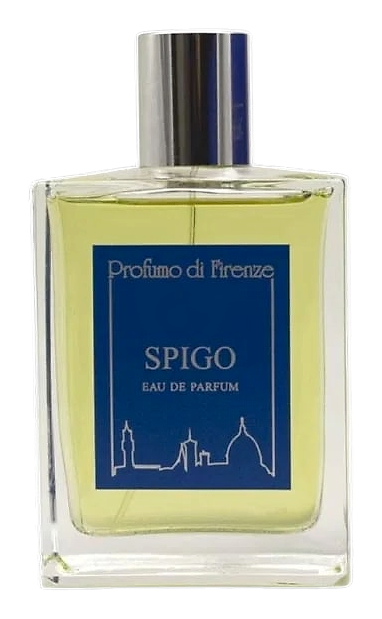
Spigo launched in 2008, composed by Enzo Galardi for the Florentine house Profumo di Firenze. The name itself carries weight, and Galardi built the fragrance around a single botanical obsession: lavender. Not as a sterile showcase of the plant's many varieties, but as a study in how one note behaves when you let it carry a whole composition. The result reads like a bridge between old-world herbalism and contemporary wearability, anchored by a core of lavender absolute that gives the juice its particular density and persistence on skin. The opening arrives with that familiar aromatic sting, bright citrus tempering the herbal edge so nothing tips into potpourri territory.
What separates Spigo from the endless parade of lavender fragrances is its structural honesty. Most lavender compositions lean either sharply aromatic or powdery-sweet. This one splits the difference. Italian lavender and Calabrian bergamot form an opening that could belong to a classic fougère, but the heart introduces Provençal sage and a fuller treatment of lavender absolute that gives the composition its particular warmth.
The evolution
The first fifteen minutes belong to lavender and citrus, clean and almost bracing, with Calabrian bergamot lending a sharp lift that keeps things from smelling like a soap bar. Then Provençal sage steps forward alongside the lavender absolute, and the whole thing shifts. The herbal quality doesn't disappear, but it warms up, losing that just-crushed-leaf intensity and taking on something closer to dried herbs steeped in warm water. Texas cedar in the heart adds a quiet dryness that anchors the sweetness before it arrives, a structural note that does its work without ever calling attention to itself. By the two-hour mark, the vanilla and tonka bean have taken over, but they don't dominate. They settle into the lavender like a slow conversation, the tonka adding a slightly nutty, almost almond-like richness beneath the vanilla's softer curve.
Cultural impact
Spigo sits comfortably alongside classics like Pour Un Homme de Caron and Serge Lutens' Gris Clair, sharing their lavender fougère DNA while pulling toward a warmer, sweeter register that feels distinctly Italian. The bergamot-and-sage opening gives it a Mediterranean clarity that separates it from the more austere French treatments of the same theme, and the vanilla-tonka base pushes it into territory that most lavender fragrances avoid.