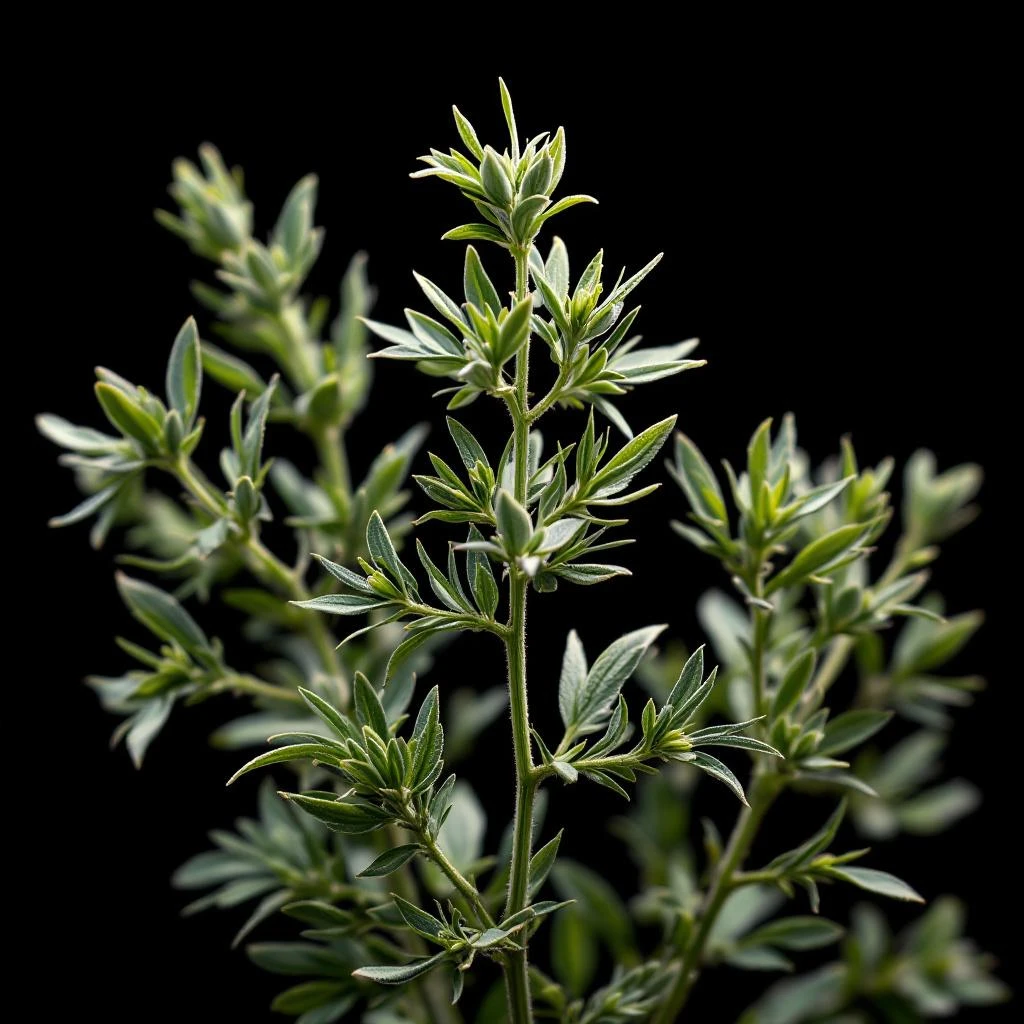
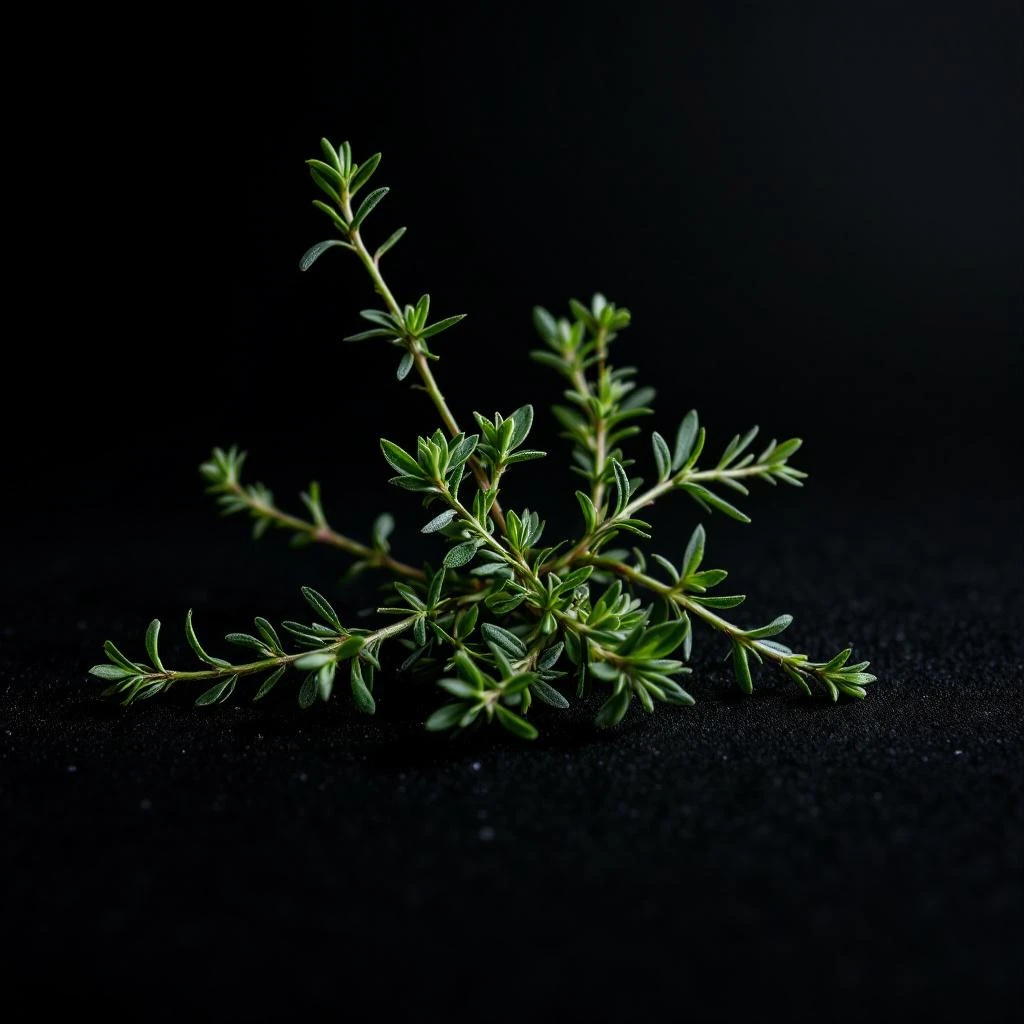
Provençal Sage
Provençal Sage brings the sun-baked hillsides of southern France into the bottle. This aromatic herb, harvested from Montélimar to Valensole, offers a complex profile that balances camphoraceous freshness with earthy warmth, making it a prized ingredient in fine perfumery.
Character
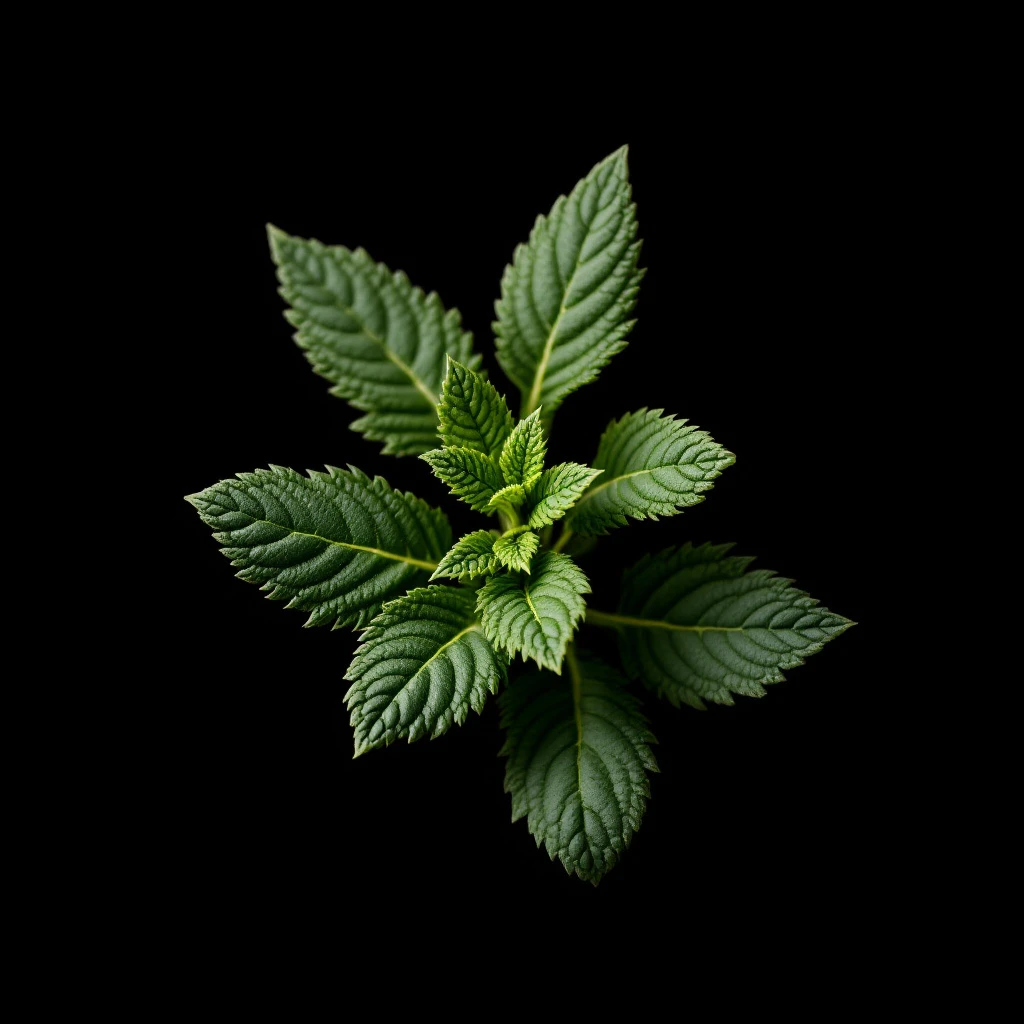
How it smells
The sun-dried soul of Provençal hillsides.
In Grasse during the 16th century, local herbalists traded sage leaves with Persian perfumers before France had its own perfume industry.




Origin
France
The Greeks and Romans first brought aromatic plants to the Mediterranean coast, laying groundwork for what would become Provence's perfume tradition. Local farmers cultivated sage across the limestone plateaus between Montélimar and Valensole for medicinal purposes long before perfumers took notice.
By the 1500s, Grasse had evolved from a tanning town into a fragrance hub, with farmers supplying raw botanical materials including sage to Persian scent-makers. This early trade established relationships that would eventually allow French perfumers to develop their own craft.
The plant's natural resilience in Provençal conditions, combined with its powerful scent, made it a staple of the region's aromatic identity. Today, small-scale producers maintain traditional harvesting methods that industrial operations cannot replicate, preserving the ingredient's authentic character.
Wears it best
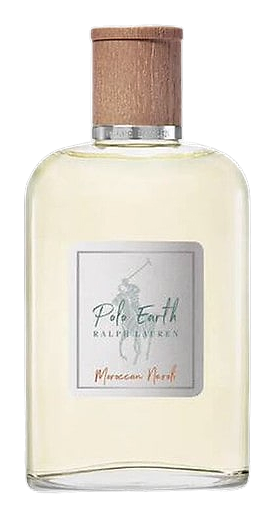
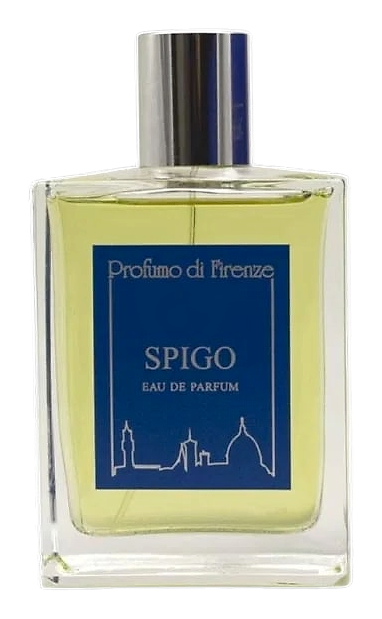
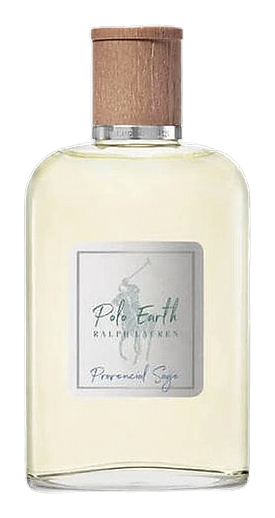
Fragrances featuring Provençal Sage
Brands
Brands known for Provençal Sage
Good to know
Questions, answered
The essentials on Provençal Sage in perfumery: how it smells, where it comes from, and how it behaves on skin.
What does Provençal Sage smell like in a fragrance?
Provençal Sage delivers a crisp, herbaceous aroma with camphor and eucalyptus-like freshness balanced by warm, slightly bitter undertones. It reads as green and medicinal rather than sweet, adding an aromatic quality that lifts and stabilizes fragrance compositions.
Where does Provençal Sage grow?
The ingredient comes from southeastern France, particularly the region between Montélimar and the Valensole plateau. This limestone-heavy terroir with hot, dry summers produces sage with particularly high essential oil content.
Is Provençal Sage natural or synthetic?
Provençal Sage is a natural ingredient obtained through steam distillation of the Salvia officinalis plant. Some fragrance houses supplement with synthetic camphor or 1,8-cineole to standardize their formulations.
What family of fragrance notes does sage belong to?
Sage falls within the aromatic green family. It functions as a top-to-heart note, providing immediate freshness and herbal character that typically lasts two to four hours on skin.
Which fragrance families commonly use sage?
Aromatic, fougère, and herbal fragrance families most frequently incorporate sage. It also appears in certain chypre and woody compositions where an herbal counterpoint balances heavier base notes.
How long has sage been used in perfumery?
French perfumers have worked with sage since at least the 16th century, when Grasse suppliers traded botanical materials with Persian markets. Widespread adoption in fine fragrance accelerated during the 19th century.
Does Provençal Sage differ from other sage varieties?
Terroir significantly affects the oil's composition. Provençal sage tends toward higher camphor content and a more medicinal character compared to sage grown in moister climates, which produces softer, more floral-scented oils.
What part of the sage plant does perfumery use?
Perfumery extracts oil from the aerial parts of the plant, including leaves, stems, and flowers. Leaves contain the highest concentration of essential oils, particularly just before the plant reaches full bloom.