The Story
Why it exists.
The beginning
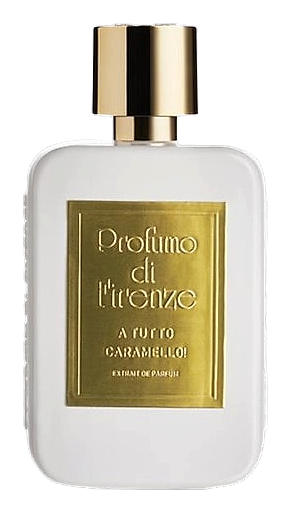
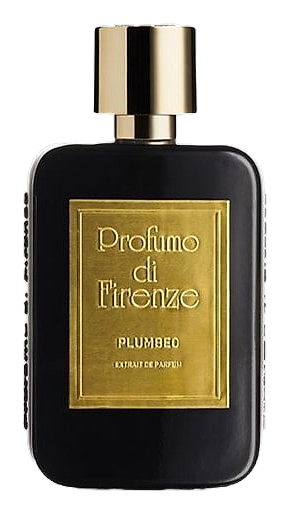
Plumbeo launched in 2026 as part of Profumo di Firenze's Extrait de Parfum collection, composed by Sebastian Cresp. The official description gives the scent its direction: mysterious depth, material taking shape, and a meeting between the elegance of vetiver and the density of sandalwood. The composition begins with a cool, finely powdered impression shaped by iris and violet leaf. Carrot seeds and juniper berries add an earthy, garden-soil quality, while cardamom and cloves introduce warmth through spice rather than sweetness. As these elements settle, sandalwood becomes more present, giving the fragrance a creamy woody center. Ambergris, vetiver, and white musk complete the progression with a warm, mineral drydown that stays close to the skin.
Iris gives the opening a cool, powdery lift, while carrot seeds and juniper berries introduce an earthy, almost garden-soil edge. Violet leaf keeps the greenery crisp and brisk around them. As the opening settles, cardamom and cloves bring warmth without turning sweet. Sandalwood supplies the central weight, moving the composition toward a creamy wood impression. The base of ambergris, vetiver, and white musk shapes the final impression, adding warm depth, a mineral edge, and a clean, quietly animalic finish that remains close to the skin.
The evolution
Plumbeo starts cool and finely drawn, almost powdered, with iris and violet leaf cutting through the darker garden impression of carrot seed and juniper. The opening has air in it, but not much softness. As the scent develops, cardamom and cloves introduce a measured warmth while sandalwood pulls everything toward the center. The first impression gives way to something denser, more tactile, and less obviously floral. In the drydown, vetiver brings an earthy, mineral edge beneath the wood. Ambergris adds a soft, salty warmth, while white musk keeps the finish close and quietly alive. The scent moves from cool elegance into warm, textured woods, with iris, violet leaf, carrot seed, and juniper gradually making space for cardamom, cloves, sandalwood, vetiver, ambergris, and white musk.
Cultural impact
Plumbeo brings together powdery iris, earthy vetiver, woody spice, and the creamy density of sandalwood in a composition shaped by contrast. Iris and violet leaf establish a cool opening, while carrot seed and juniper introduce garden-like depth. Cardamom and cloves add warmth, then sandalwood gives the center a fuller woody character. In the drydown, vetiver contributes an earthy, mineral edge as ambergris and white musk soften the finish. The fragrance is worth exploring through the changing relationships between these notes, from its initial powder and greenery to its warmer woods and close, quietly animalic base.
The House
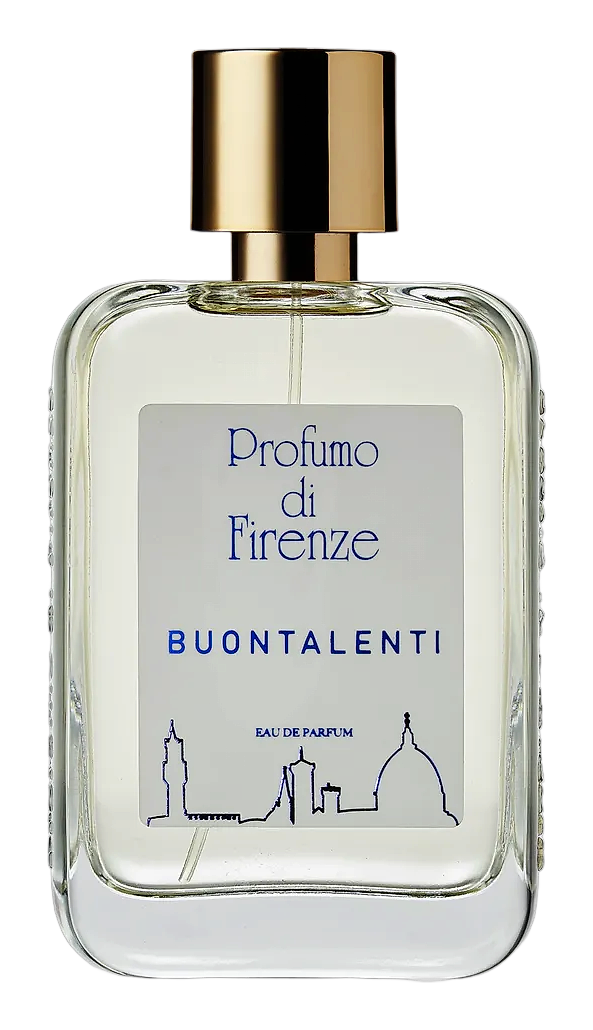
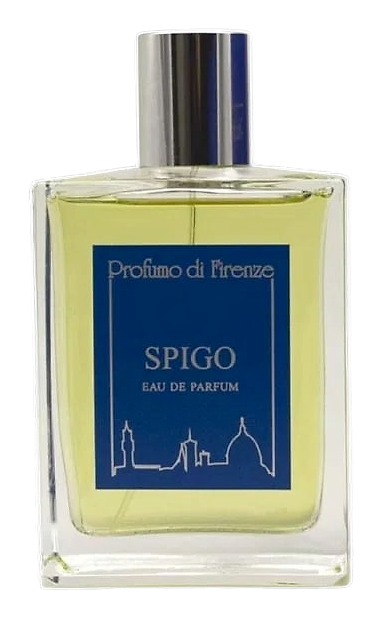
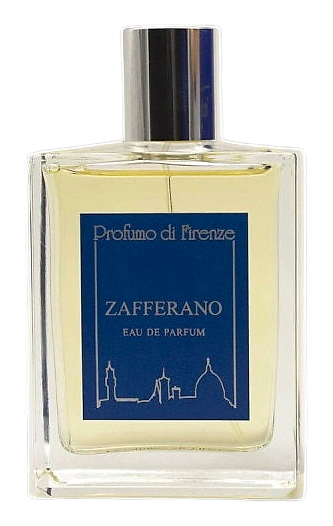
Profumo di FirenzeProfumo di Firenze is the English-facing identity of the Officina Profumo-Farmaceutica di Santa Maria Novella, a Florentine institution founded by Dominican friars in 1221 and officially opened to the public in 1612. Recognized by multiple independent sources as the oldest continuously operating pharmacy in the world, it occupies the same site in Florence that its founders established over eight centuries ago. The brand crafts fragrances rooted in monastic herbal traditions, with historical preparations including rose water used during the Black Plague and remedies that sustained the city through centuries of epidemic. Its fragrance collection spans centuries of Florentine history, with names referencing local landmarks (Buontalenti), botanicals (Zafferano, Spigo), and literary figures (Matelda). The aesthetic reflects Renaissance pharmacy design, with antique-style glass bottles, parchment labels, and classical typography that reinforce the brand's living-museum status. Products remain available at the historic Via della Scala location, where visitors encounter a space that functions simultaneously as pharmacy, perfume house, and tourist destination. The brand bridges apothecary and haute parfum traditions, translating medieval herbalist knowledge into contemporary fragrance compositions.
The Creator
Sebastian CrespSébastien Cresp’s signature is not yet fully documented in publicly available creation credits. His background suggests a trained sensitivity to materials and an understanding of how fragrance must develop within large-scale perfumery practice.