
The Story
Why it exists.
The beginning
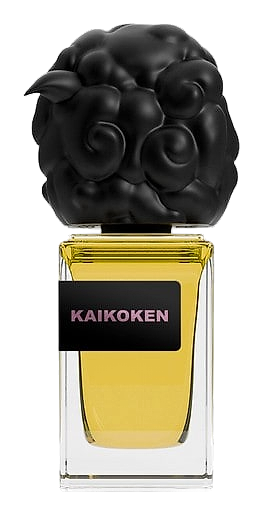
Kaikoken landed in 2024, the work of perfumer Manuel Alejandro Bojorquez Segovia for Pisello Parfum. There's something fitting about the brief for this composition, because it pulls from everywhere at once. A chypre skeleton dressed in fruit, citrus, and white floral, the kind of pyramid where every note gets a vote and none of them sit quietly in the background. The opening rolls in with red berries and bergamot, both juicy and bright, carrying a green-apple snap that keeps the sweetness from spilling over. Mango and melon show up with a tropical weight, warm and pulpy, lending the top a rounded fullness rather than a sharp zest.
The unusual move here is scale. Chypres are supposed to be austere, oakmoss, patchouli, a bitter green edge that earns its composure through restraint. Kaikoken ignores that contract. It loads the opening with green apple, mango, melon, red fruits, four separate citrus notes, then drops jasmine and violet on top. The chypre structure has to fight through the sugar to assert itself. That tension, between the lush and the dry, between chypre discipline and fruity exuberance, is where this fragrance lives or fails. Iris and fig tree in the middle are the compromise, dusty enough to anchor the fruit, soft enough not to kill it.
The evolution
The first ten minutes are a fruit stall. Green apple is loudest, mango and melon right behind, lemon and orange brightening the corners. Jasmine threads through but stays polite. It smells younger than the chypre label suggests, almost like a department-store fruit chypre with ambitions. After about thirty minutes the iris wakes up. Violet too. That powdery, cool mineral quality arrives and suddenly the composition tightens. The fruit doesn't disappear, it just gets quieter, pushed back behind the iris curtain. Sage and neroli sharpen the middle. By hour two you're in a different fragrance, dusty, slightly bitter, the fig tree giving it a green-earth quality that reads as sophisticated even when the fruit still whispers underneath. The base settles into cedar, musk, a touch of vanilla sweetness, and basil doing something quietly herbal at the edges. After four to six hours what's left on skin is the chypre memory, soft, powdery, intimate. The fruit is a memory by then. The structure stayed.
Cultural impact
Kaikoken works on its own terms, the composition reading clearly whether you catch any external reference or not. The fragrance sits in a space that indie perfumery has been quietly carving out, compositions that borrow the structural language of classic genres without treating any rule as sacred. Here the chypre architecture is there, but the fruits and florals running through it refuse to behave like a traditional chypre should, and that friction is the whole point. Worn casually rather than formally, it's the kind of scent that reads as a personal signature rather than a category statement.