The Story
Why it exists.
The beginning
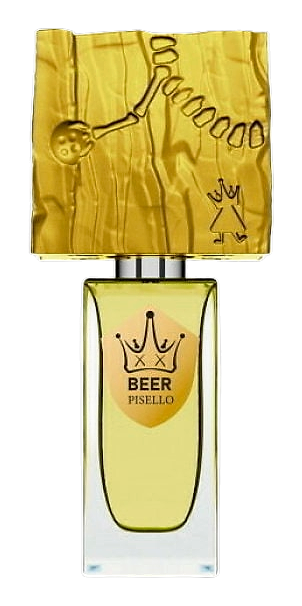
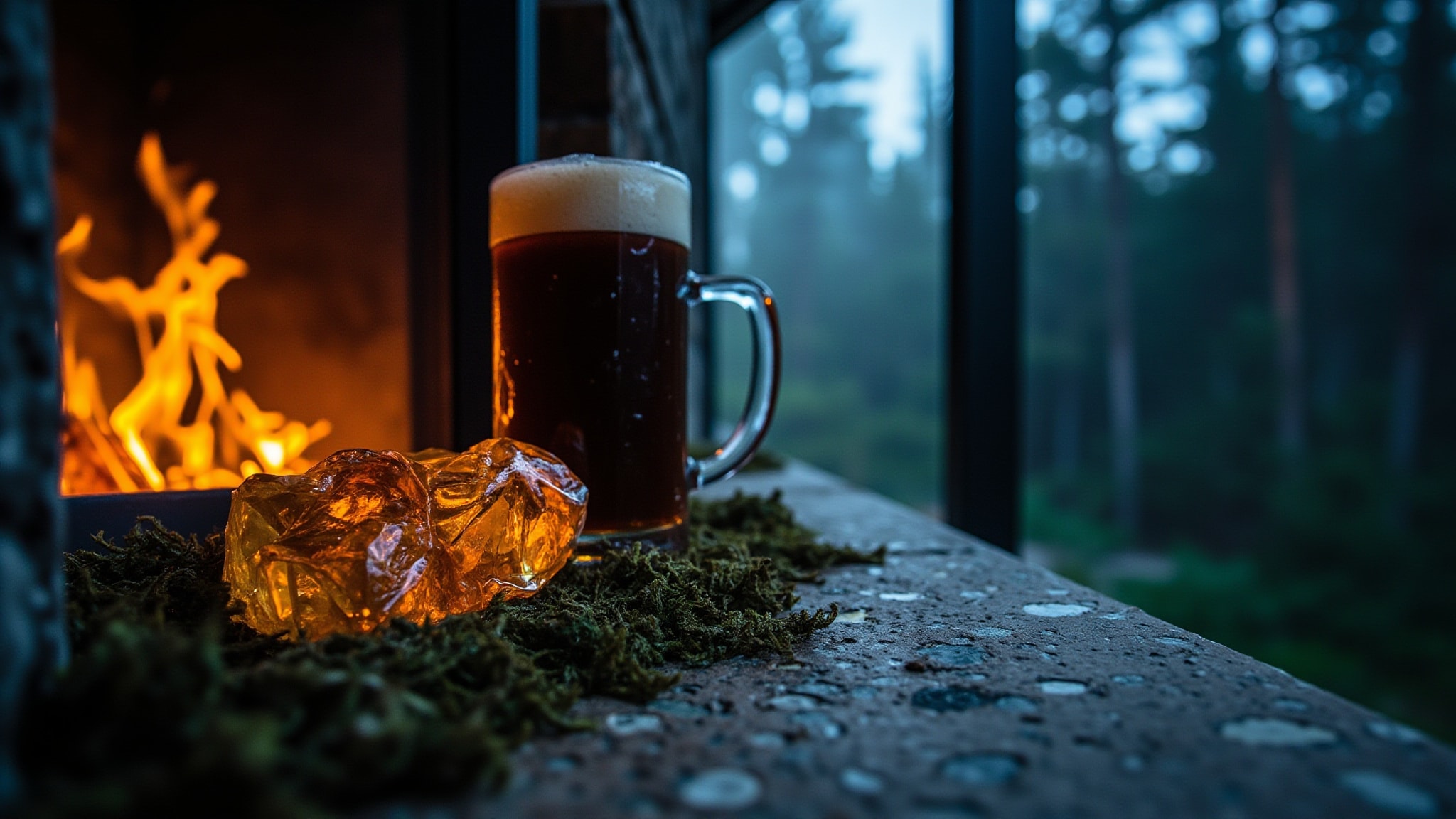
Beer sits in Pisello Parfum's earliest chapter, before whatever visual direction the label eventually settles into. It reads as the house working through an obsession: chypre structure loaded with enough resinous weight to justify the name, less about refreshment and more about that warm, slightly bitter haze a pub leaves in your clothes. The kind of fragrance that doesn't explain itself. There's a craft quality to the construction, a sense of someone who knows their raw materials reaching for the dense ones and stacking them without apology. The oakmoss backbone grounds it in tradition while the resin load gives it a darker cast, something between incense and the sticky residue of a crowded room.
What separates Beer from a standard chypre read is the sheer density of the base. Copal, myrrh, frankincense, oud, sandalwood, and palo santo stack alongside civet and ambergris, creating a foundation that feels almost architectural in its weight. There's also pine tar and fir in the heart, which pushes the greenness toward something darker and more balsamic than the brighter green archetypes. The oakmoss opening anchors it in the chypre tradition, but the resin load makes it read more like a forgotten apothecary shelf than anything pulled from a vintage reference.
The evolution
The first 15 minutes are all green: oakmoss and pine tar crashing together, that sharp, forest-floor bitterness that doesn't ease you in. It smells like wet bark and something medicinal underneath. By the 30-minute mark the fir and mahogany warm up, and the blue lotus and carnation start pulling the composition toward something more textured. Rose shows up quietly, barely there but doing work. This is where the chypre DNA becomes obvious: the green-to-floral-to-resin arc lands cleanly. Past hour two, the base takes over and doesn't let go. Copal, myrrh, and frankincense create a churchy, almost liturgical warmth. The oud sits underneath, not loud, just present. Civet adds that dirty edge that separates this from a standard amber-dominant drydown.
Cultural impact
Beer reads as a collector's piece, the kind of dense chypre you find through word of mouth in niche fragrance circles. The composition targets wearers who already know what oakmoss means and aren't afraid of pine tar or civet. In a market full of clean-skin scents and dessert gourmands, Beer stands as a deliberate return to the resinous chypres that reward patience and close attention. It's the sort of fragrance that prioritizes depth over approachability, asking the wearer to meet it halfway rather than offering easy compliments.