The Story
Why it exists.
The beginning
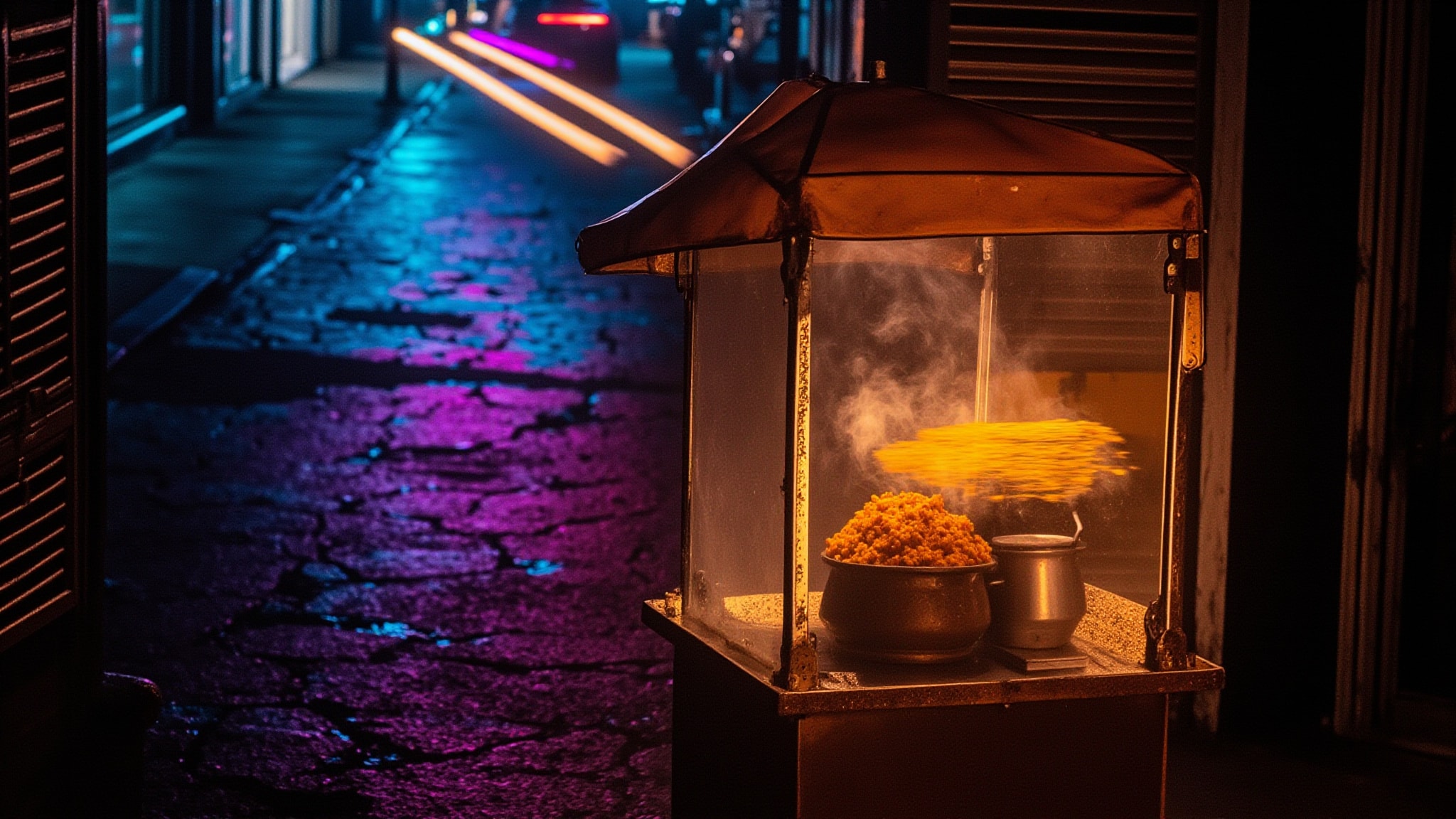
Alejandro Bojórquez built BGTA as a portrait of Mexico City's kinetic energy, where neon signs pulse against colonial architecture and street vendors sell mango with chili to passing crowds. Rather than chase postcard imagery, he constructed a fragrance that moves at street speed. The opening channels this urgency: oud arrives sharp and immediate, cutting through a riot of citrus and green fruit that captures the sensory overload of standing in a crowded mercado at noon. Bojórquez uses oud not as a status marker but as a structural element, a spine that keeps the bright opening from scattering into noise.
The note philosophy treats oud as foundation rather than statement. Bojórquez layers bright citrus and fruit against this woody spine, allowing green apple and pear to provide immediate sweetness before aromatic elements like mint and lavender introduce complexity. The heart relies on contrast: saffron and geranium create tension while chocolate and vanilla provide resolution. The drydown uses green tea as a deliberate counterweight to the warmer elements, creating balance through aromatic clarity rather than additional sweetness.
The evolution
The arc unfolds with oud asserting itself against a bright citrus and fruit backdrop: lemon, bergamot, mandarin, orange, green apple, and pear create an opening that feels immediate and almost aggressive in its clarity. Mint and lavender arrive within minutes, introducing a cooling element that prevents the composition from becoming top-heavy. The heart emerges around the fifteen-minute mark as geranium and saffron take center stage, their green-spicy character anchoring the fragrance while jasmine, violet, neroli, and rose provide floral variation. Cinnamon, ginger, cardamom, and pineapple bring warmth and tropical brightness while vanilla, coconut, and chocolate create a creamy sweetness that could easily tip into heaviness. The drydown arrives around the three-hour mark, revealing amber and sandalwood as primary carriers. Cedarwood, fir resin, and patchouli provide woody-earthy structure while ambroxan extends the composition's longevity with a subtle animalic dimension.
Cultural impact
The launch of BGTA in 2024 sparked a subtle shift in niche fragrance circles, as its blend of Laotian oud with bright citrus notes resonated with collectors seeking a modern twist on traditional oud compositions. Enthusiasts noted the perfume’s ability to bridge Eastern woody heritage with Western fresh fruit sensibilities, influencing subsequent releases from other houses that began to experiment with similar citrus‑oud pairings. Over the following year, BGTA became a reference point in discussions about how contemporary perfumery can honor cultural origins while appealing to a global audience, encouraging a dialogue about authenticity, sustainability of oud sourcing, and the evolving palate of fragrance consumers worldwide.