The Story
Why it exists.
The beginning
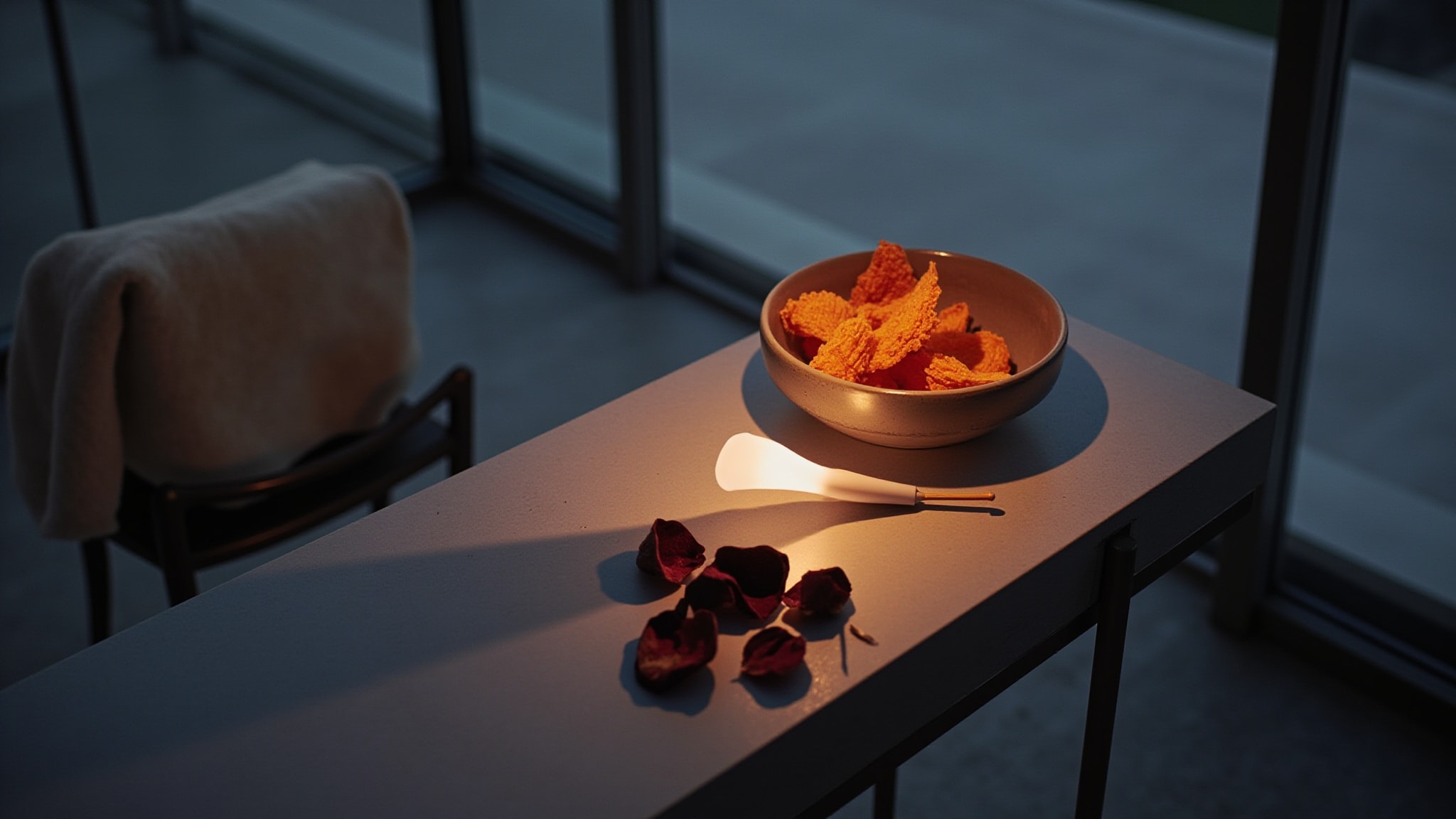
Tristan arrived in 2000 from the house Pierre Cardin, a fragrance with a serious, contemplative temperament. The nose behind it is Bertrand Duchaufour, a perfumer whose name carries weight in modern French perfumery. Named for the medieval Tristan, the ill-fated lover of Isolde, the scent borrows the myth's emotional pull, an obsession that doesn't end well. The composition is built around musk, rose, and mandarin orange, but those notes tell only part of the story. On skin, the fragrance reads far heavier than its accord list suggests. The musk anchors everything in animalic territory, grounding the rose so it loses its sweetness and becomes something closer to dried petals than a bouquet.
Pierre Cardin has long treated fragrance as part of a larger design vision, a way of extending the aesthetic language of the house beyond clothing. With Tristan, released in 2000, the house handed the brief to Bertrand Duchaufour, and the resulting composition built on musk, rose, and mandarin orange marked a departure from anything that had come before under the Cardin label. The scent's animalic musk base gives it a gravity that contradicts its lightweight accord structure.
The evolution
Two decades on from its 2000 release, Tristan occupies an interesting place in modern perfumery. The animalic musk profile that defines its drydown has aged into something that feels current, a sensibility that aligns with the renewed interest in skin scents and intimate compositions. Its above-average longevity on skin has helped it remain in circulation, with the fragrance still discussed by wearers who discovered it years ago and continue to return to it. The mandarin that opens the composition fades within the first half hour, but the rose lingers longer, softening gradually as the musk takes full control. What makes Tristan unusual is how it wears over the course of a day. The opening suggests something almost playful. The middle acts as a bridge.
Cultural impact
Tristan sits in an unusual position within the Pierre Cardin portfolio. Among wearers, it's the kind of composition people stumble on and keep returning to, often citing it as an unexpected discovery within a designer lineup. The Duchaufour credit gives it a certain pedigree, placing the scent within a body of work that modern French perfumery has come to value for its seriousness of intent. It's not a loud fragrance, and that quiet quality has become part of its appeal. The people who wear it tend to be the ones who don't need their scent to announce them.