The Story
Why it exists.
The beginning
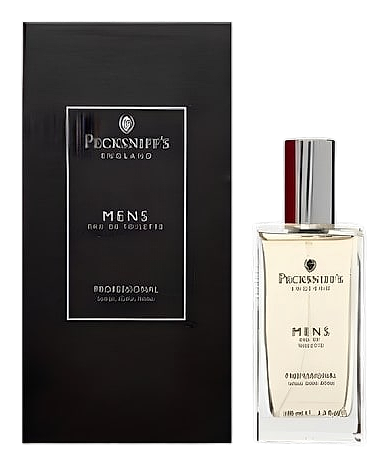
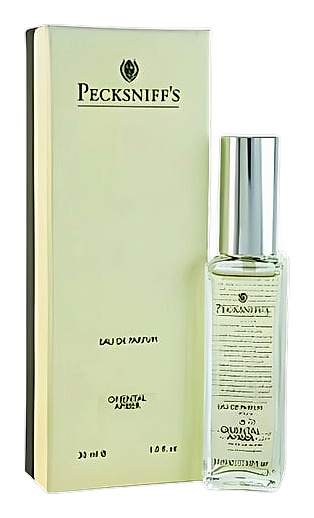
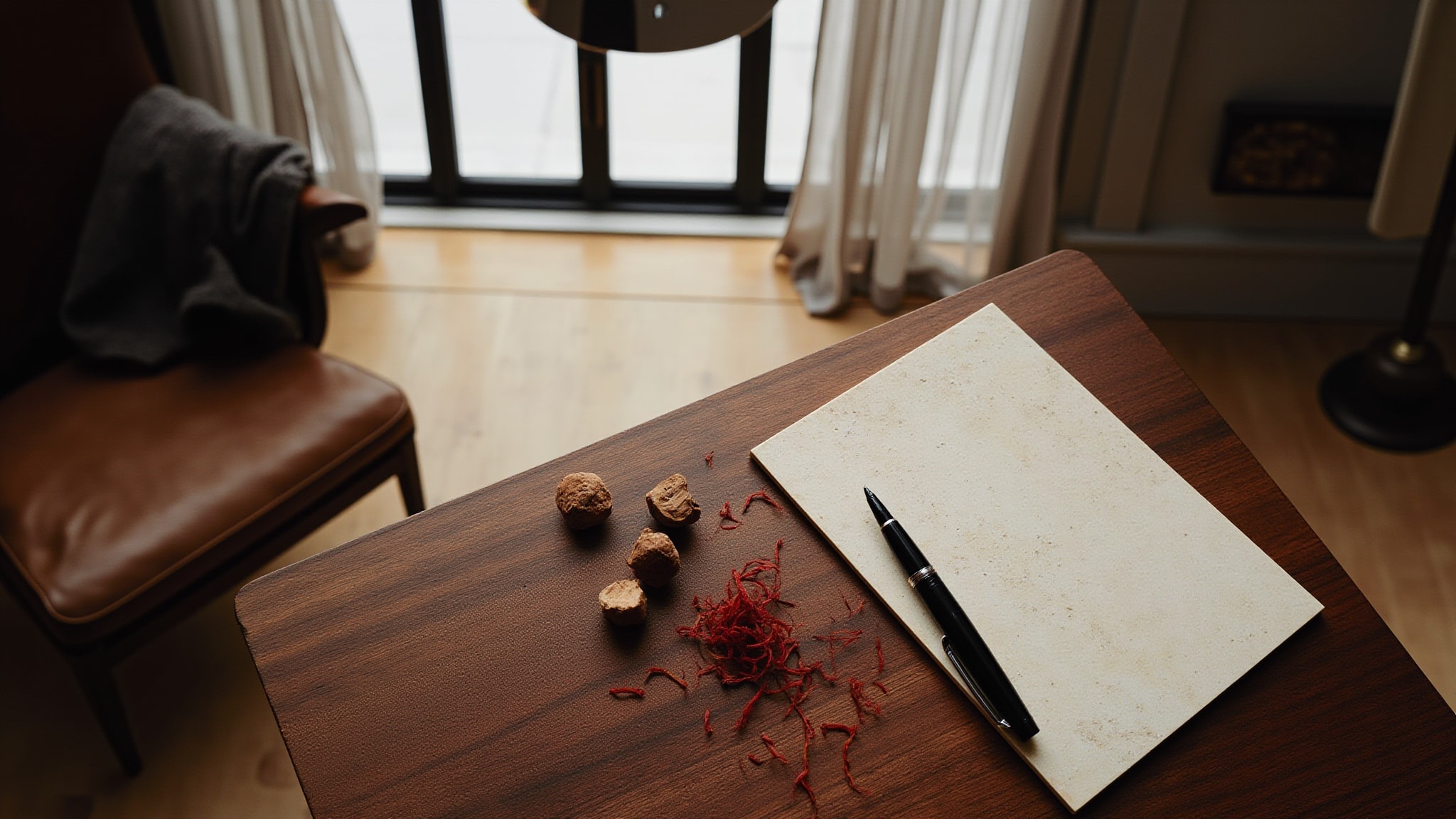
Oriental Amber arrived as part of Pecksniff's effort to reinterpret the classic oriental family through a distinctly British lens. The house has long built its reputation on a particular kind of nuance, and this composition is an exercise in restraint within a genre known for excess. Rather than leaning on the heavy, syrupy ambroxans and vanillas that dominate the oriental shelf, the composition reaches for sharper top notes to cut the density. The opening moves quickly through a cool, peppered brightness, with ginger and nutmeg giving the first hour a clean, almost starchy heat, the kind of warmth that arrives without sweetness. Saffron adds a leathery thread underneath, anchoring the spice rather than letting it float.
What makes the structure interesting is the tension between the spice-heavy top and the relatively bare base. Most orientals pad the bottom with resins, tonka, or dense vanillas. Here, sandalwood and musk do the closing work alone, which keeps the composition from tipping into confection. The saffron-nutmeg-black pepper-ginger opening is an unusual choice; saffron is common in orientals, but stacking three more heat sources beneath it is a gamble. It pushes the opening toward a savory, almost food-adjacent territory before the rose and jasmine pull things back toward the floral. That hinge is the fragrance.
The evolution
The first thirty minutes are aggressive. Saffron and black pepper hit hard, with nutmeg curling underneath like smoke caught in fabric. Ginger adds a clean, almost vegetable heat, the kind that lives at the front of the sinuses rather than the back of the throat. For the first hour it reads almost savory, less like perfume and more like a kitchen where someone has been working with whole spices for a while. The rose arrives only after the spice haze has thinned, threading quietly through the blend rather than announcing itself, and jasmine comes and goes, barely there, more suggestion than statement. By hour four the structure has collapsed into its base: amber and sandalwood, slightly powdery, with the musk adding a skin-warm closeness that keeps everything intimate. The drydown doesn't reinvent itself.
Cultural impact
Oriental Amber sits in a quiet corner of the oriental family, a lane that leans spice-forward and deliberately under-decorated. It reads less like the confectionary amber bottles that crowd the shelves of big beauty halls and more like a carefully laid table of whole spices, warm wood, and a single stem of dried rose. The warmth here comes from saffron, pepper, and nutmeg working in close conversation, not from vanillas or syrupy resins that have come to define the more commercial end of the oriental category.