The Story
Why it exists.
The beginning
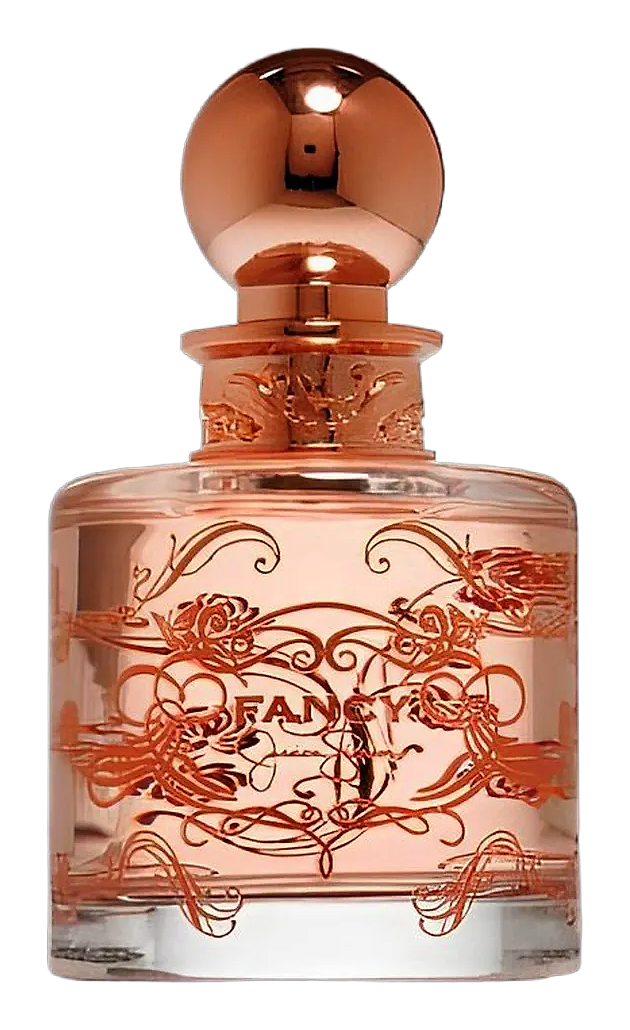
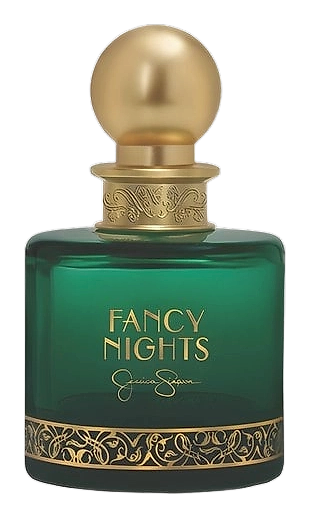
Fancy Nights arrived in 2010 as the deeper, more opulent sister to Jessica Simpson's 2008 flagship Fancy. Where the original captured a certain California glamour, Fancy Nights turned down the lights. Steve DeMercado built it around a tension between dry mineral clarity, the Egyptian papyrus opening, and the warmth that follows. It's named for the hour when performance ends and presence begins.
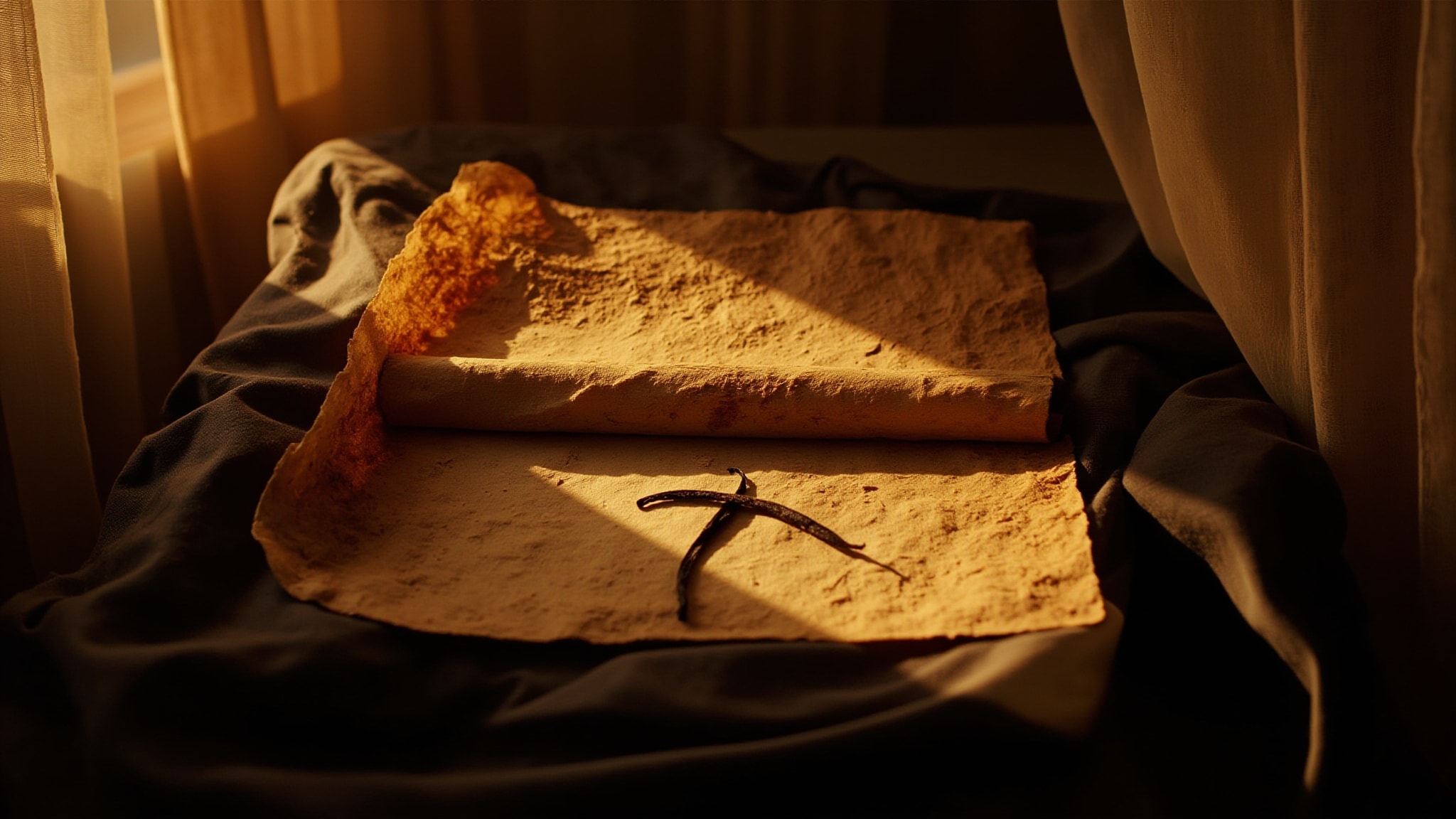
Papyrus in perfumery is unusual. It's not a note that reaches for approval, it arrives dry, almost austere, carrying the smell of old paper and warm stone. Here it's paired with bergamot, which adds a brief brightness before the composition deepens into patchouli, Bulgarian rose, and jasmine that only blooms at night. The contrast between that papyrus opening and the vanilla-amber base is where Fancy Nights lives. It's a fragrance that asks you to wait before it rewards you.
The evolution
The papyrus opens sharp and mineral, commanding attention without asking for it. Thirty minutes in, bergamot softens, and the Bulgarian rose arrives, quiet at first, then building. The night-blooming jasmine follows, adding a creamy white floral note that tempers the earthiness of the patchouli beneath it. Then the hand-off: patchouli and jasmine recede as amber and vanilla take over, warmer, closer, the kind of drydown that stays on skin into the next morning. On clothing, it lingers for days.
Cultural impact
Fancy Nights sits in a specific sweet spot: accessible enough for everyday wear, complex enough to reward attention. The papyrus note sets it apart from typical celebrity florals, giving it a slightly literary quality that appeals to wearers who want something with character. It's been a steady presence since 2010, not a trend fragrance, not a flash-in-the-pan launch. The kind of scent people return to.