
The Story
Why it exists.
The beginning
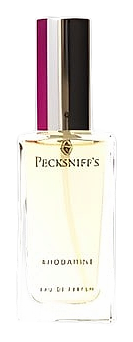
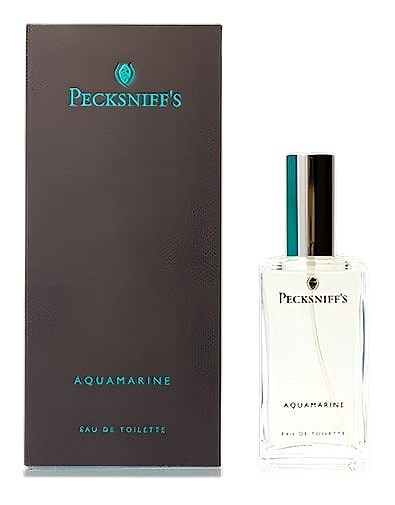
Aquamarine sits within Pecksniff's marine-leaning portfolio, a house that has built its reputation on reinterpreting classic structures. The composition takes the aquatic family and refuses the obvious route. Instead of leaning on synthetic shortcuts, it reads like a coastal walk compressed into a single pour: grapefruit brightness meeting yuzu's sharper citrus snap, lavender standing in for sea-thyme, and a watery heart that suggests salt rather than shouting it. The opening carries a brisk, mouth-watering quality, the pink grapefruit giving a slightly bitter edge that the yuzu sharpens further, almost like the cold shock of biting into the fruit. Lavender threads through underneath, lending a soapy aromatic restraint that keeps the citrus from veering into sharp or aggressive territory.
The interesting choice here is restraint. The marine note stays as a whisper, then gives the structural work to violet and cedar in the middle. Violet adds a powdery coolness that reads iris-like on skin, while cedar provides a dry backbone that stops the citrus from floating off. The violet brings a soft, cool violet-petal quality, almost like the inside of a flower held close in cool air, and it bridges the sharp citrus top with the woodier mids.
The evolution
The first fifteen minutes belong to citrus. Grapefruit hits first, pink and slightly bitter, then yuzu layers in with a sharper, almost metallic lift that reads colder than lemon. Lavender runs underneath, giving the opening a soapy-aromatic edge that keeps the brightness from feeling sharp. By the thirty-minute mark the citrus has settled and the aquatic accord takes over: not salt-air exact, more the suggestion of it, a cool mineral quality sitting on the skin. Violet enters quietly, adding a soft violet-petal coolness that takes the fragrance away from generic freshness into something more nuanced. Cedar grounds the heart, dry and clean. Two hours in, the drydown begins to assert itself. Oakmoss arrives with a damp, earthy quality that recalls old-school chypres rather than modern aquatics, and sandalwood softens it with a creamy warmth.
Cultural impact
Aquamarine takes the aquatic family and treats it with a restraint that sets it apart from the genre's louder expressions. Instead of leaning on overt marine shortcuts for instant freshness, it keeps the water element as a whisper and lets chypre structure carry the weight. The marine note reads as cool and mineral rather than overtly oceanic, and it sits inside a composition built on violet, cedar, oakmoss, and sandalwood rather than the brighter citrus-and-melon template the category often defaults to. The result is a fragrance that feels more British in its temperament, cool and considered rather than heavy or old-school.