The Story
Why it exists.
The beginning
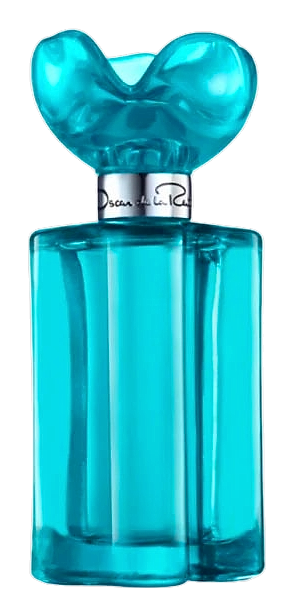
Tropicale arrived in 2002, a year that placed it among a notable wave of floral launches from established fashion houses. The bottle, designed by Serge Mansau, wears an emerald green hue topped with a bowl-shaped floral cap, a visual shorthand for the lushness inside. The deep green glass catches light in a way that suggests foliage, while the rounded cap echoes an opening blossom, signaling what's to come before the first spritz. It's a presentation that feels intentional without being precious, setting a tone of generous, garden-inspired warmth from the moment it sits on a vanity. The color palette alone hints at the composition's character: dense and verdant, with a softness that feels welcoming rather than sharp.
Passion flower, frangipani, and ylang-ylang form a creamy white-floral heart that reads indulgent without crossing into sunscreen territory. The dewberry and mandarin in the opening add a juicy brightness that keeps the sweetness from feeling cloying, while the amber-sandalwood-vanilla base grounds everything in something warm and skin-like. Together, the heart notes build a density that feels more like a garden after rain than a beach cocktail, with each bloom contributing its own texture rather than blurring into a generic tropical sweetness.
The evolution
The first twenty minutes belong to the fruit. Bergamot lifts, then dewberry and mandarin roll in, sweet and bright, with a faintly syrupy edge that announces where this is headed. The passion flower adds a green-creamy whisper underneath. By the one-hour mark the citrus has mostly stepped back and the white florals take center stage: frangipani and orange blossom blending into ylang-ylang's banana-sweet richness. This is the most opulent phase, the part that fills a small room. Around the three-hour mark the base begins its quiet takeover. The vanilla arrives soft and full, the sandalwood brings a milky creaminess, and amber ties it all together with a warm, resinous glow. The transition from the lush florals into the creamy base is gradual, with each note gently bowing out while the next steps forward, so the shift feels like watching light change rather than a hard cut between phases.
Cultural impact
Tropicale occupies a particular place in the early-2000s fragrance catalog, a period rich with white-floral launches from fashion houses. Its composition leans into that trend's lushness while tempering it through a softer, more skin-hugging drydown. The dewberry-mandarin opening gives it a contemporary brightness, and the amber-sandalwood-vanilla base pulls it back toward the warmer territory the brand tends to favor. It wears as a scent that wants to be noticed up close rather than across a room, projecting most during its floral peak before settling into something more personal in the late hours.