
The Story
Why it exists.
The beginning
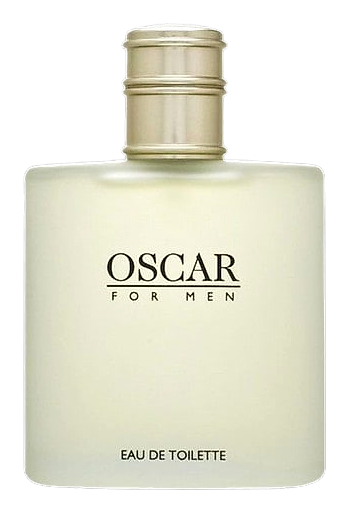
Oscar for Men arrived in 1999 as the fashion house extended its world beyond the feminine elegance that defined it. While Oscar de la Renta had built a reputation dressing women for red carpets and Sunday luncheons, clients included Jacqueline Kennedy and Hillary Clinton, the brand understood that its aesthetic had a masculine dimension. The 1999 release captured something specific: the man who existed in the orbit of that world, someone with taste refined enough to wear a fashion house fragrance without apology. It wasn't a statement fragrance. It was a quiet confidence, bottled.
What makes Oscar for Men structurally interesting is the heart. Most men's fragrances from 1999 leaned into aquatic or fougère territory, Oscar for Men went floral, placing jasmine, lily, and rose at the center of the composition. This was unusual for the era and remains divisive today. The choice suggests the brand wasn't trying to compete in the conventional masculine fragrance market. Instead, it translated its feminine house codes into something a man could wear, refinement without hardness, warmth without aggression. The resinous fir, incense, and leather base anchors that floral heart in unmistakably masculine territory.
The evolution
The opening hits with cold citrus, bergamot and mandarin orange, sharpened by black pepper and a resinous fir note that reads almost medicinal at first. Thirty minutes in, the pepper settles and the florals arrive: jasmine first, then a soapy rose and a green-tinged lily that keeps things grounded. The lavender and violet leaf in the heart provide an aromatic bridge between the bright top and the deepening base. By hour two, the drydown takes over, fir balsam, sandalwood, and a clean musk form the structure, while leather and vanilla add warmth without sweetness. Incense lingers longest, close to the skin, the kind of detail you notice when someone leans in to say something worth hearing.
Cultural impact
Oscar for Men occupies an interesting position in 1990s masculine fragrance history. Released at a moment when the market was flooded with aquatic and fougère interpretations of masculine freshness, it offered something different, a fashion house fragrance that brought the brand's refined sensibility to a masculine composition without defaulting to convention. The floral heart was unusual for the era and remains a talking point today. While discontinued, it maintains a quiet cult following among those who seek out 90s compositions that took risks.