
The Story
Why it exists.
The beginning
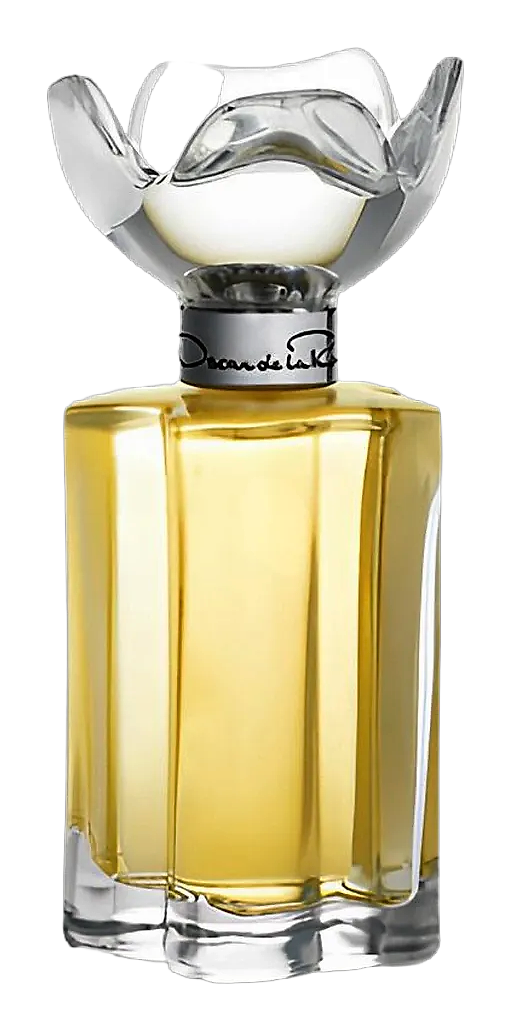
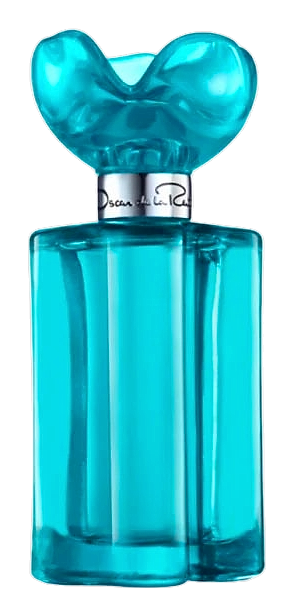
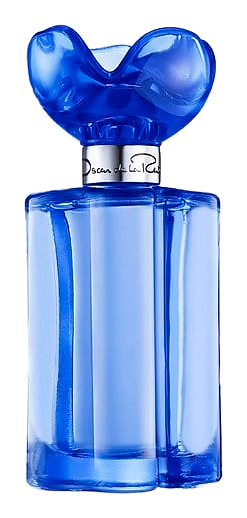
Blue Orchid, launched in 2016 and composed by Christelle Laprade, stepped into a different corner of the Oscar de la Renta catalog. The fragrance wears a Floral Aquatic designation, a category that trades the powdery intimacy of traditional perfumery for something cooler and more open-aired. Laprade built the composition around a salt-and-fruit opening, a lotus heart, and a driftwood base. The brand described the result as bright and dewy, qualities that read almost immediately on skin. That opening registers as a quick kiss of sea spray and orchard fruit, the kind of accord that makes you think of windows thrown open rather than a vanity table. The lotus comes in shortly after, watery and slightly green, threading between the salt and the fruit without ever weighing the composition down.
The unusual element here is restraint. Sea salt in fragrance usually tips into synthetic or soapy fast. Laprade grounded it in cranberry, which adds tartness and a fruit edge that keeps the salt from reading as detergent. Lotus is the other structural choice. It's a quieter floral than jasmine or rose, and it lets the water note breathe instead of competing with it. The base of driftwood, musk, and sandalwood does something subtle: it takes a scent built on air and gives it a surface to land on. Without that, Blue Orchid would float off the skin entirely.
The evolution
The first 15 minutes belong to the salt. It hits cold, almost metallic, with mandarin warming the edges and cranberry pulling the fruit forward. This is the loudest the fragrance ever gets, and even then it's not loud by most standards. The lotus moves in around the 20-minute mark, soft and slightly green, and the jasmine sambac flickers underneath it without ever fully announcing itself. The transition is where Blue Orchid becomes interesting. The water recedes and the wood comes forward. Driftwood shows up smelling exactly like its name, dry and sun-bleached, with sandalwood giving it a creamy undertone. Musk takes over the last 3-4 hours, and it's a clean musk, the kind that sits close to skin. What lingers the next morning is a faint sandalwood-cream trace, like the memory of a day at the coast after the towels are folded.
Cultural impact
Blue Orchid reads, in wear, closer to an actual coastline than to a typical aquatic fragrance. A Parfumo reviewer noted that the salt accord carries a mineral quality that feels closer to sea spray than to a shower product, and that the lotus in the heart keeps the composition from collapsing into generic freshness. That mineral opening does most of the talking in the first hour, settling into a skin-like warmth as the hours pass. The lotus heart arrives with a watery, slightly green presence that threads between the salt and the fruit without ever weighing the composition down.
The House
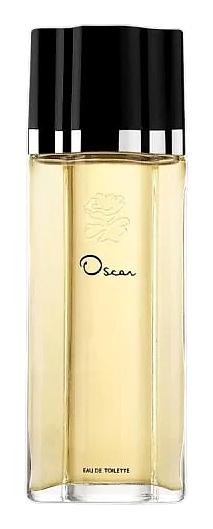
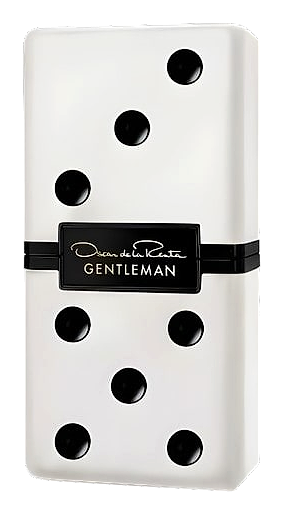
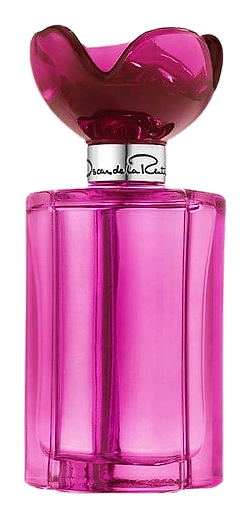
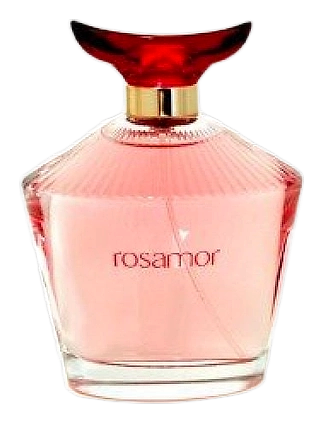
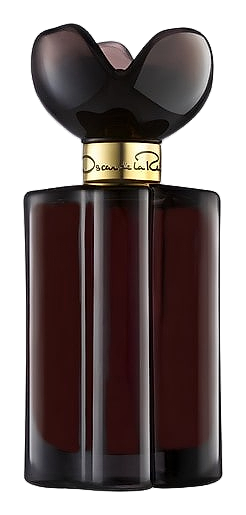
Oscar de la RentaOscar de la Renta began as a couture house in 1965 and later entered the fragrance world with the launch of Oscar in 1977. The scent introduced a floral bouquet softened by woody notes, setting a tone that mirrors the brand’s reputation for refined elegance. Over the decades the house has added a series of niche releases, from Oscar Violet in 2005 to Gentleman in 2016, each reflecting a distinct facet of the designer’s aesthetic while staying rooted in the original vision of timeless femininity and understated luxury.
The Creator
Christelle LapradeLaprade defines her aesthetic as "trash-glam": a fearless blend of refinement and rebellion. Her compositions embrace duality—sophistication meets crudeness, masculinity dances with femininity.