The Story
Why it exists.
The beginning
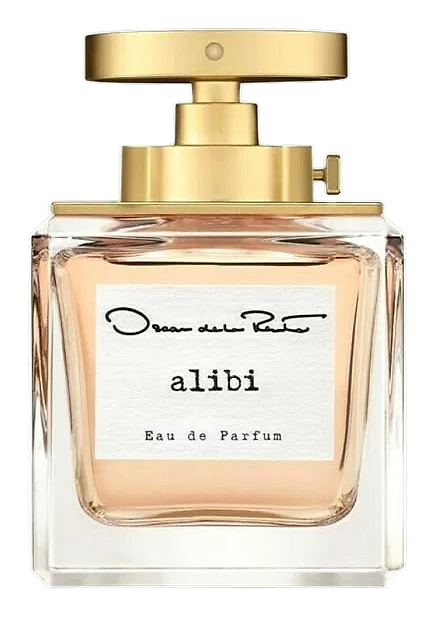
Oscar de la Renta built its name on a particular kind of woman: the one who walks into a room and doesn't need to announce herself. She commands black-tie galas and Sunday luncheons with the same unhurried grace. Alibi Eau Sensuelle, launched in 2023 under perfumer Catherine Selig, is named for her private side, the version that doesn't perform. An alibi is not a lie. It's the part of the story you choose to tell. The house wanted a fragrance that captured that deliberate ambiguity: warmth worn for no audience, beauty that doesn't argue.
What makes Alibi Eau Sensuelle interesting is its structure, not the pyramid itself, which follows a classic worn-amber template, but the tension between its opening and its base. The white tea blossom in the top is unusual: it reads as a clean, slightly mineral green note that counteracts the citrus brightness rather than amplifying it. In the heart, tiger orchid (a cultivated variety of Dendrobium) brings a waxy, slightly animalic floral depth that most tea-tinged openings lose entirely. The drydown leans heavily into sandalwood and musk, not separate layers but a merged, skin-like accord that behaves differently on every wearer, which is why the fragrance can read as warm skin one day and powder the next.
The evolution
The opening arrives bright and controlled, citrus that doesn't shout, white tea blossom that keeps it all slightly cool and almost medicinal. That initial clarity lasts maybe thirty minutes before osmanthus and rose begin their slow push upward, deepening the composition into something richer, darker, more intimate. The tiger orchid is the pivot point: it takes the floral heart in a waxy, faintly animal direction that most modern florals avoid entirely. By the time sandalwood and amber arrive, usually around the second hour, the fragrance has shed its manners entirely. The drydown sits close to skin for the next six to eight hours, a warm, creamy, slightly powdery whisper that smells like someone you almost recognize. On fabric, it softens into something gentler. On skin, it gets personal.
Cultural impact
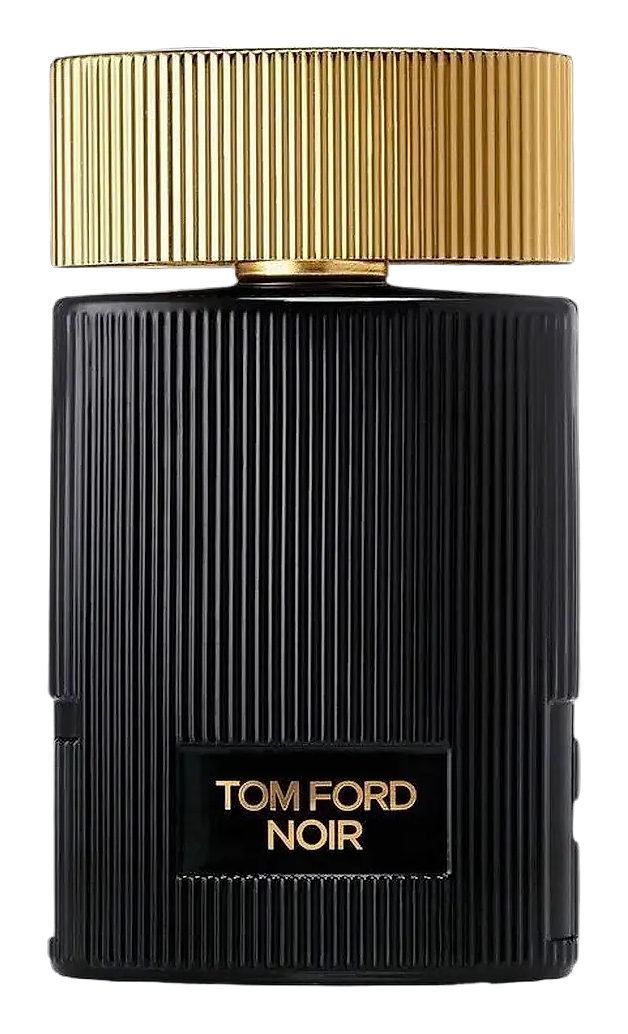
Alibi Eau Sensuelle occupies a specific corner of the modern fragrance landscape, the warm amber space that Tom Ford Noir Pour Femme defined and that Narciso Rodriguez For Her Musc Noir has long occupied. Wearers consistently describe it as an affordable alternative to both, with a similar DNA but its own character. The fragrance performs best in cooler months and reads as deliberately understated, the kind of scent that invites a second conversation rather than demanding the first.