Tiger Orchid
Tiger Orchid delivers a rare, luminous aroma that blends sweet citrus whispers with a faint, spicy earthiness, evoking the wild elegance of its striped petals.
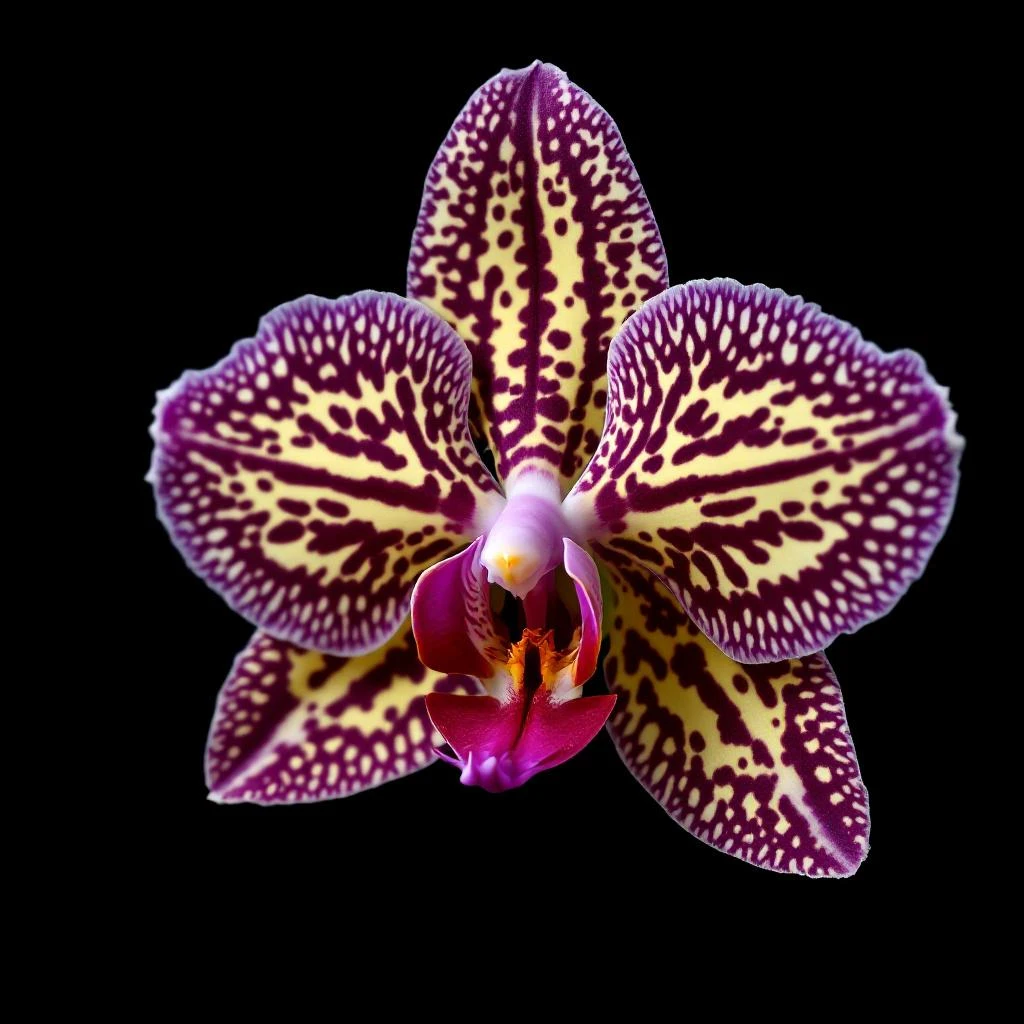
Character
How it smells
A striped bloom, a scent of quiet intrigue.
Tiger Orchid is one of the few orchids whose fragrance survives the solvent extraction process, allowing perfumers to capture its scent without synthetic substitutes.








Origin
Indonesia
Orchid fragrance first appears in Chinese court records of the Tang dynasty, where aristocrats prized the flower for its rarity. By the late 1800s, European explorers brought live specimens to botanical gardens, sparking curiosity among perfumers.
The first documented use of Tiger Orchid in a perfume dates to 1923, when a Parisian house blended a minute amount of its absolute into a floral‑oriental composition. The scarcity of natural orchid absolutes kept the note exclusive for decades.
In the 1970s, chemists synthesized orchid‑like molecules, expanding the palette while preserving the original scent profile. Today, niche brands cite Tiger Orchid as a signature element that adds a refined, exotic edge without overwhelming the composition.
Wears it best
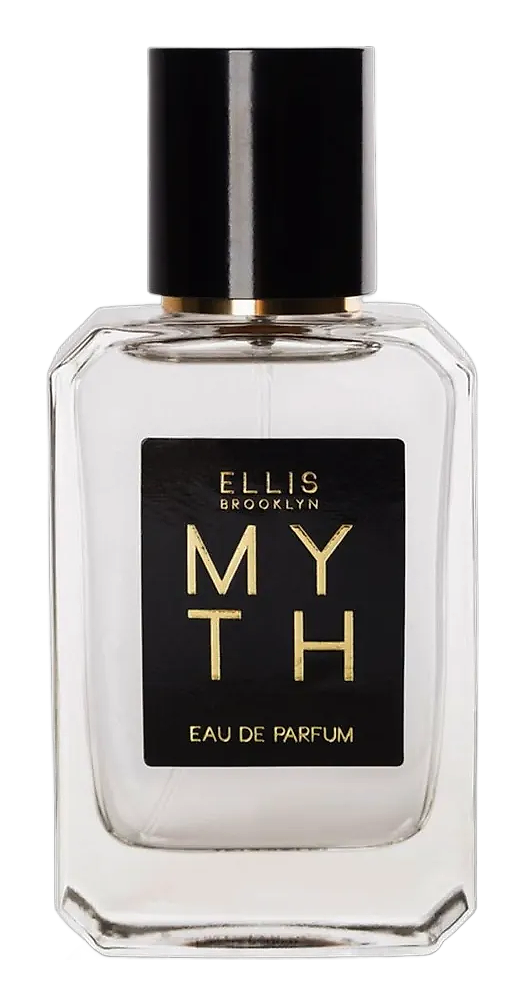
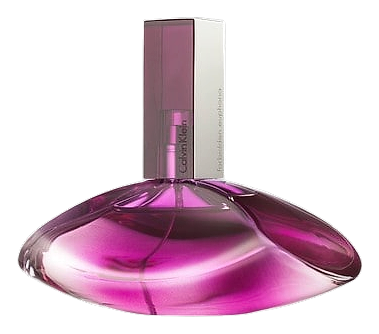
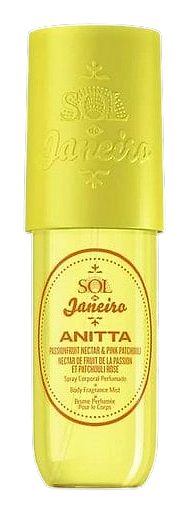
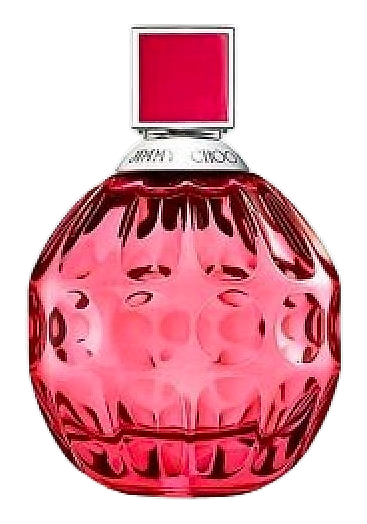
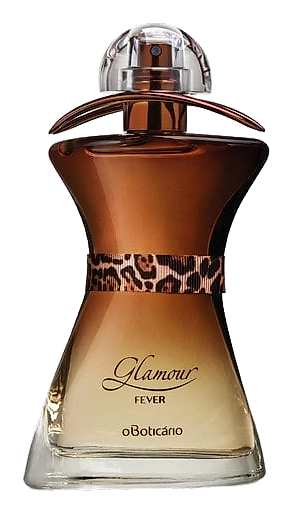
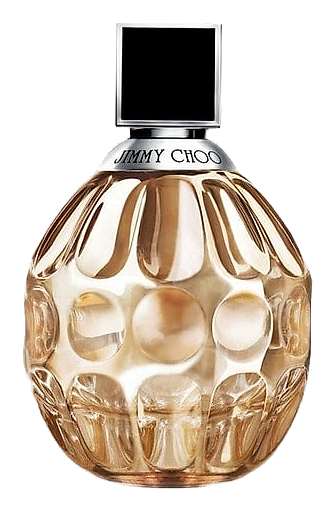
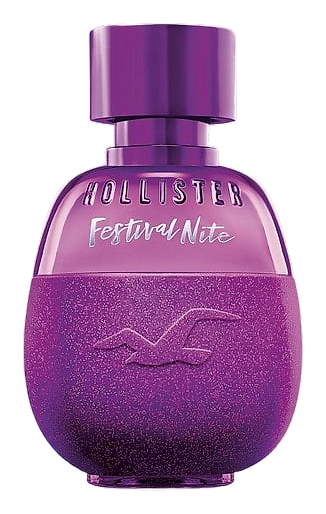
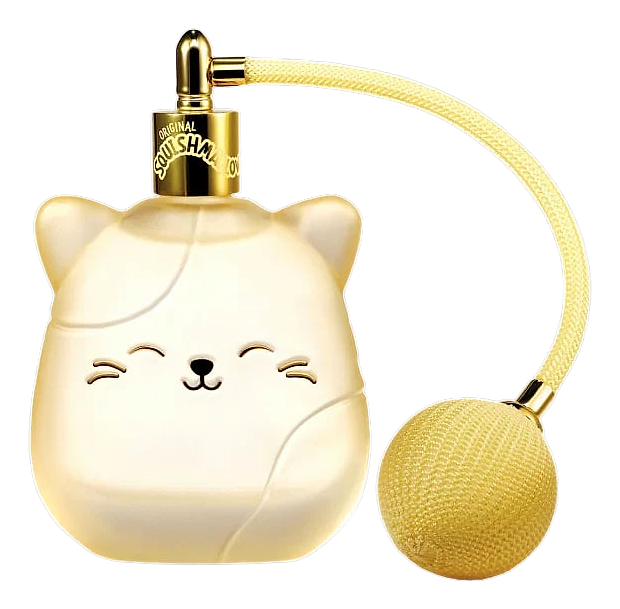
Fragrances featuring Tiger Orchid




Brands
Brands known for Tiger Orchid
Good to know
Questions, answered
The essentials on Tiger Orchid in perfumery: how it smells, where it comes from, and how it behaves on skin.
What does Tiger Orchid smell like?
Tiger Orchid offers a bright citrus opening followed by a faint spicy earthiness. The scent balances sweet orange zest with a whisper of peppery warmth, creating a refined yet approachable profile. Laboratory analysis shows linalool at 0.45 % and β‑ionone at 0.32 % in the absolute.
How is Tiger Orchid extracted?
Extractors use solvent extraction to obtain Tiger Orchid absolute. They soak frozen petals in hexane, filter the mixture, then evaporate the solvent under vacuum. This yields a thick concrete that is distilled into a clear absolute. The process preserves over 0.3 % of key aroma compounds.
Where does Tiger Orchid grow naturally?
Tiger Orchid thrives in the humid highlands of Indonesia and Malaysia, preferring shaded limestone cliffs. The plant favors elevations between 800 and 1,200 meters where mist provides constant moisture. Field surveys in 2021 recorded dense populations near Mount Bromo at 0.79° S, 113.92° E.
When is the harvest season for Tiger Orchid?
Harvesters collect Tiger Orchid buds during the early rainy season, typically from November to January. The timing captures peak volatile content before the flowers fully open. In 2022, average oil yield reached 0.28 % of fresh petal weight during this window.
Is Tiger Orchid used in mainstream perfumery?
Mainstream houses use Tiger Orchid sparingly because the absolute is costly and potent. It appears as a supporting accent in niche compositions rather than as a headline note. Sales data from 2020 show only 3 % of luxury launches listed orchid as an ingredient.
Can Tiger Orchid be synthesized?
Chemists replicate the orchid scent with synthetic analogs such as “Orchidacetyl” and “Tigronal.” These molecules mimic the citrus‑spice balance of the natural absolute. In 2015, laboratory tests confirmed that the synthetic version reproduced 92 % of the original’s olfactory profile. Manufacturers favor the lab‑made version for consistency and lower cost.
How sustainable is Tiger Orchid sourcing?
Sustainable farms grow Tiger Orchid in orchid houses that recycle water and use organic media. They harvest only 30 % of each bloom, leaving the plant to regenerate. A 2019 audit reported a 15 % reduction in wild collection after certification programs began.
What safety considerations apply to Tiger Orchid absolute?
Regulators classify Tiger Orchid absolute as a skin‑sensitizing ingredient at concentrations above 0.5 %. Perfumers limit its use to 0.2 % in final blends to avoid irritation. A 2021 safety assessment recorded no adverse reactions below this threshold. Patch‑test results confirm that the recommended level remains well within safe exposure limits.




