The Story
Why it exists.
The beginning
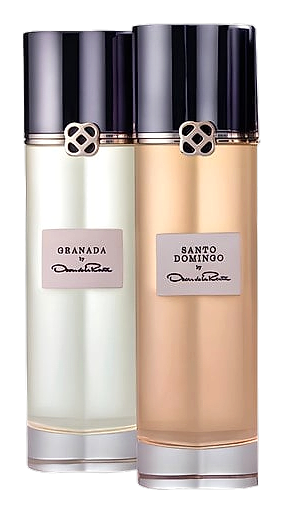
Santo Domingo arrived in 2012, composed by Calice Becker. The name itself is the place, unadorned, no poetry needed. Becker built around tobacco as a central note, with coriander and bergamot lifting the top before the patchouli pulls everything back down to soil level. The composition reads as a deliberate study in tobacco, treated as a living botanical rather than a cured commodity, with green and herbaceous facets running through the leaf's character. The greens arrive early, fresh and slightly bitter, and they never fully retreat. Even in the opening, there's an undercurrent of vegetation that hints at what's coming.
The tobacco here is Dominican, and the choice of origin shapes the composition's gravity. Dominican leaf carries its own particular weight on the skin, distinct from the sweeter, honeyed tobacco notes found in many classic masculine compositions. Calice Becker paired it with Indonesian patchouli, a choice that deepens the earth without tipping into the humid, almost fungal territory some patchoulis drag you to. The geranium in the middle adds a green-rose lift that prevents the composition from collapsing into pure smoke.
The evolution
The opening is bright, almost misleading. Citron and bergamot crackle at the surface, and if you only catch the opening from across a room, you'd swear this was a summer cologne. Then the coriander shows up, and the picture changes. It brings a leafy, slightly peppery quality that bridges the citrus and what's coming. As the composition settles, the geranium takes its role, a cool green presence that softens the herbs without sweetening them. The drydown is where Santo Domingo earns its reputation. Vetiver and patchouli do the heavy structural work, but the Dominican tobacco is the voice you keep hearing underneath. It never disappears, never overwhelms. On clothes the next morning, it's all that's left, a soft smoke and skin that smells like it belonged to you all along.
Cultural impact
Santo Domingo holds a distinctive position within the Oscar de la Renta portfolio. It offers a tobacco-forward composition that retains the label's characteristic restraint and finish. The fragrance has drawn attention for its green, herbaceous treatment of tobacco rather than the sweeter, vanilla-laden variations common elsewhere. Production was apparently discontinued, which has shaped how the fragrance is perceived and sought after today. Santo Domingo remains a reference point for anyone interested in tobacco compositions with a botanical edge.