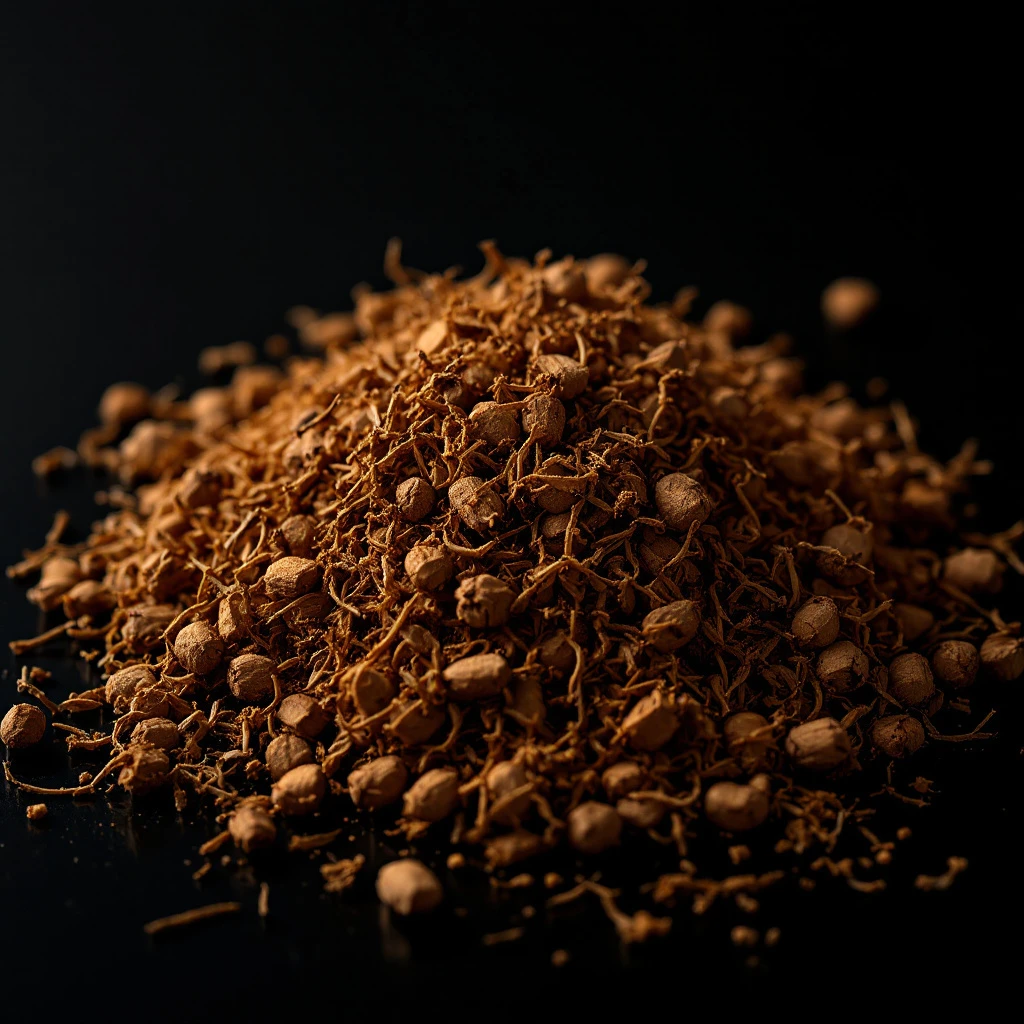
Dominican Tobacco
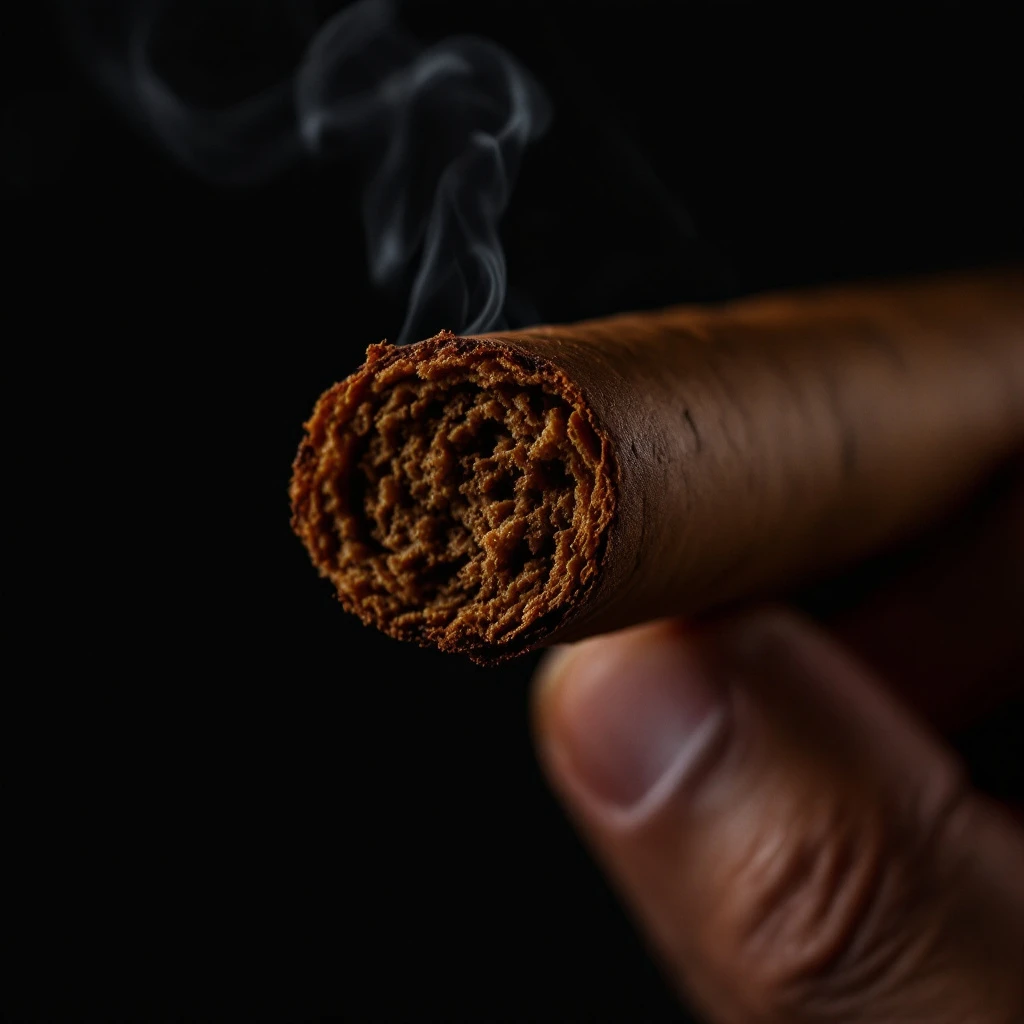
Dominican tobacco carries a rich, sun-ripened sweetness balanced by deep, earthy smoke—a signature profile that defines Caribbean craftsmanship in perfumery.
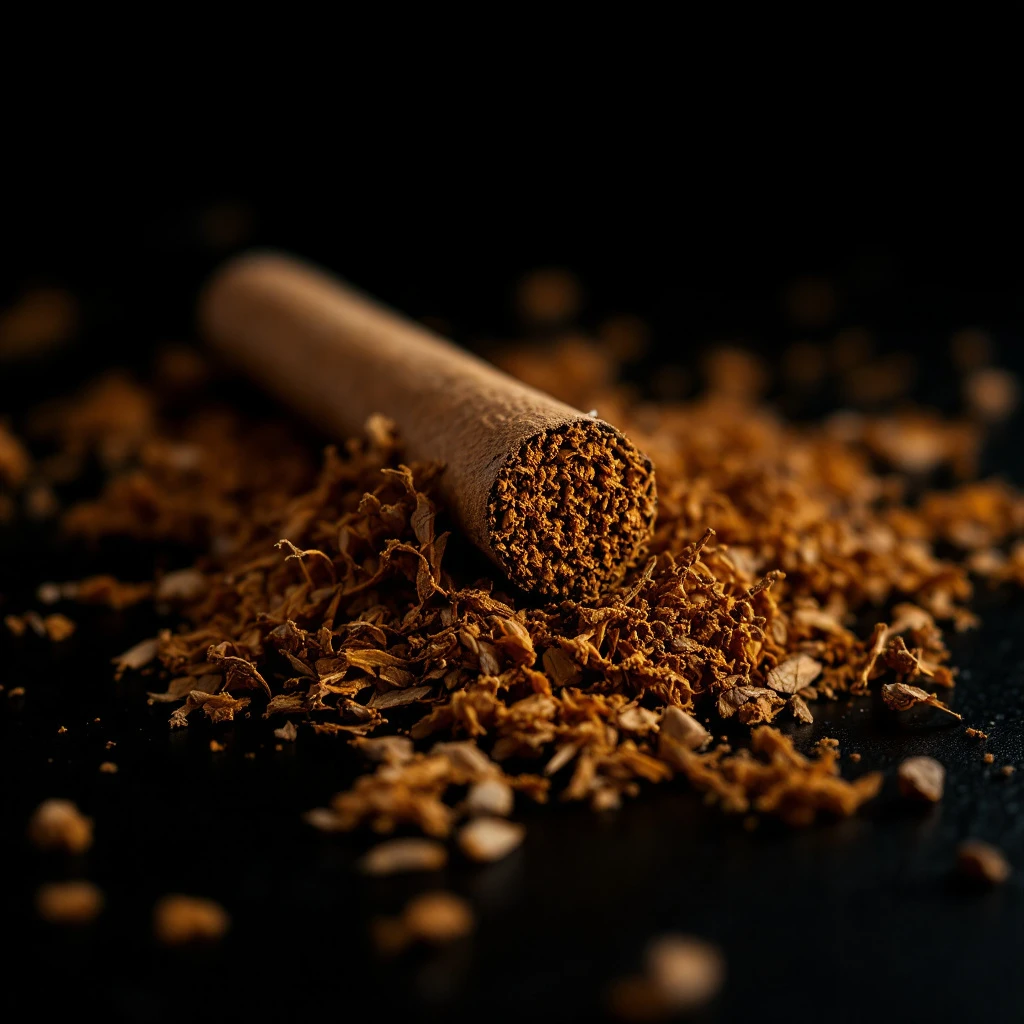
Character
How it smells
Sun-cured depth with smoky soul.
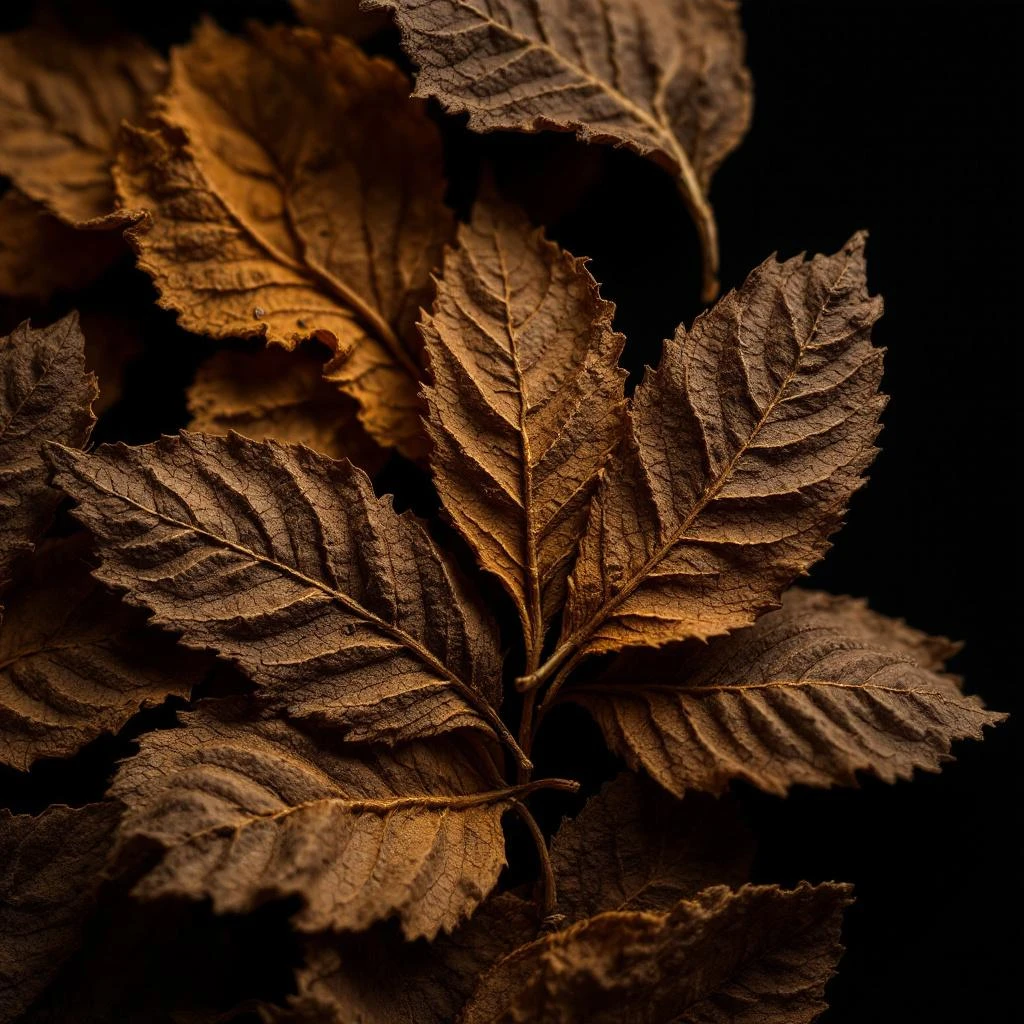
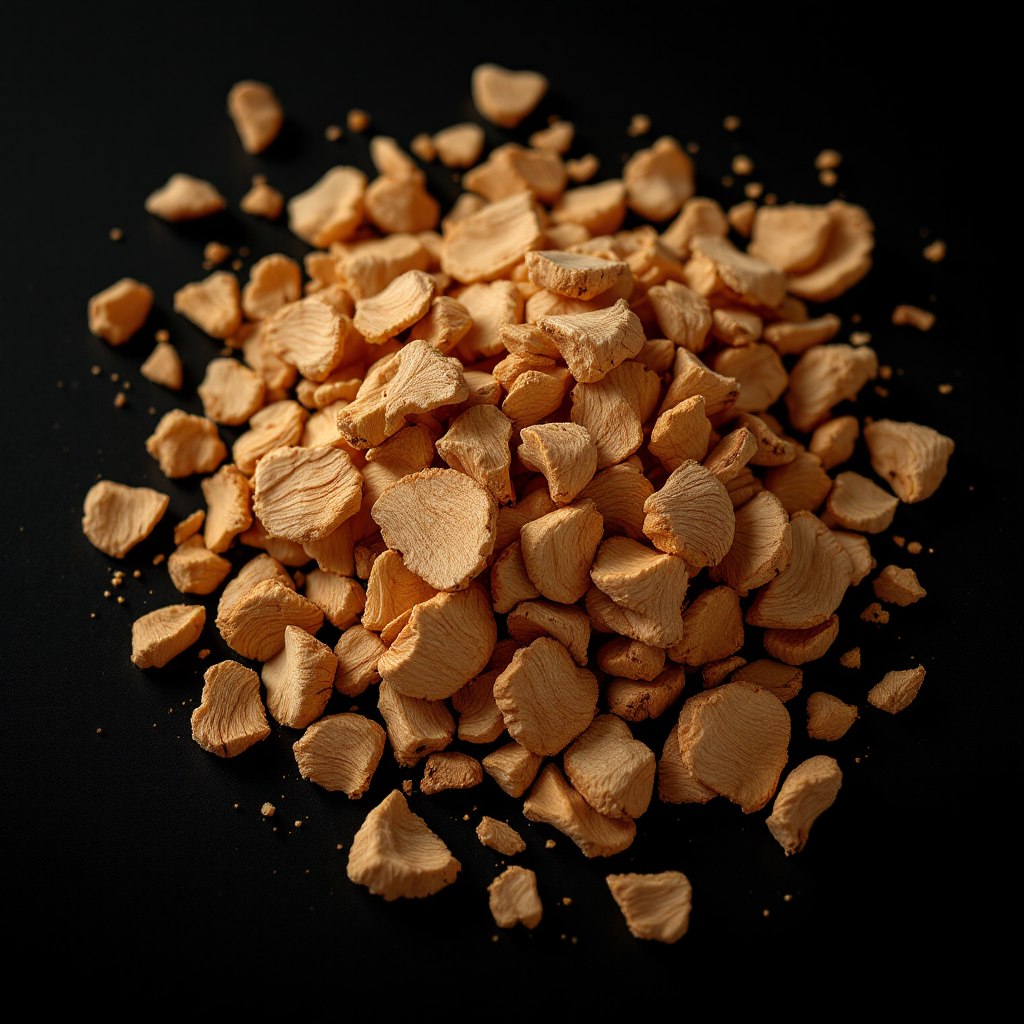
Dominican tobacco leaves cure for up to 18 months under tropical sun, developing the complex sweetness that distinguishes Caribbean leaf in fine fragrances.

Origin
Dominican Republic
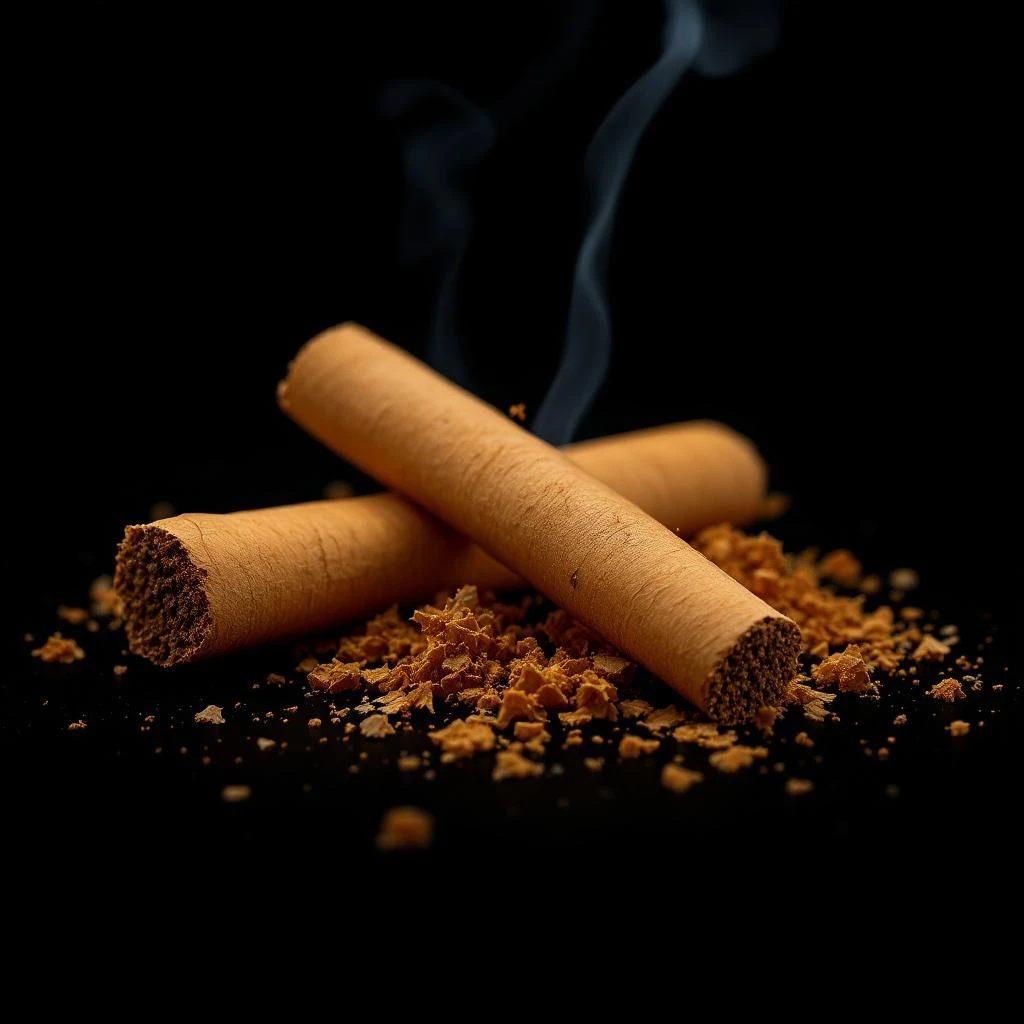
Christopher Columbus encountered tobacco on Caribbean islands during his 1492 voyage, and indigenous Taíno people of Hispaniola considered it sacred. The word tobacco itself derives from the Taíno term for the rolled leaves they smoked in ceremonial pipes. Spanish colonizers adopted the practice and spread cultivation globally within a century.
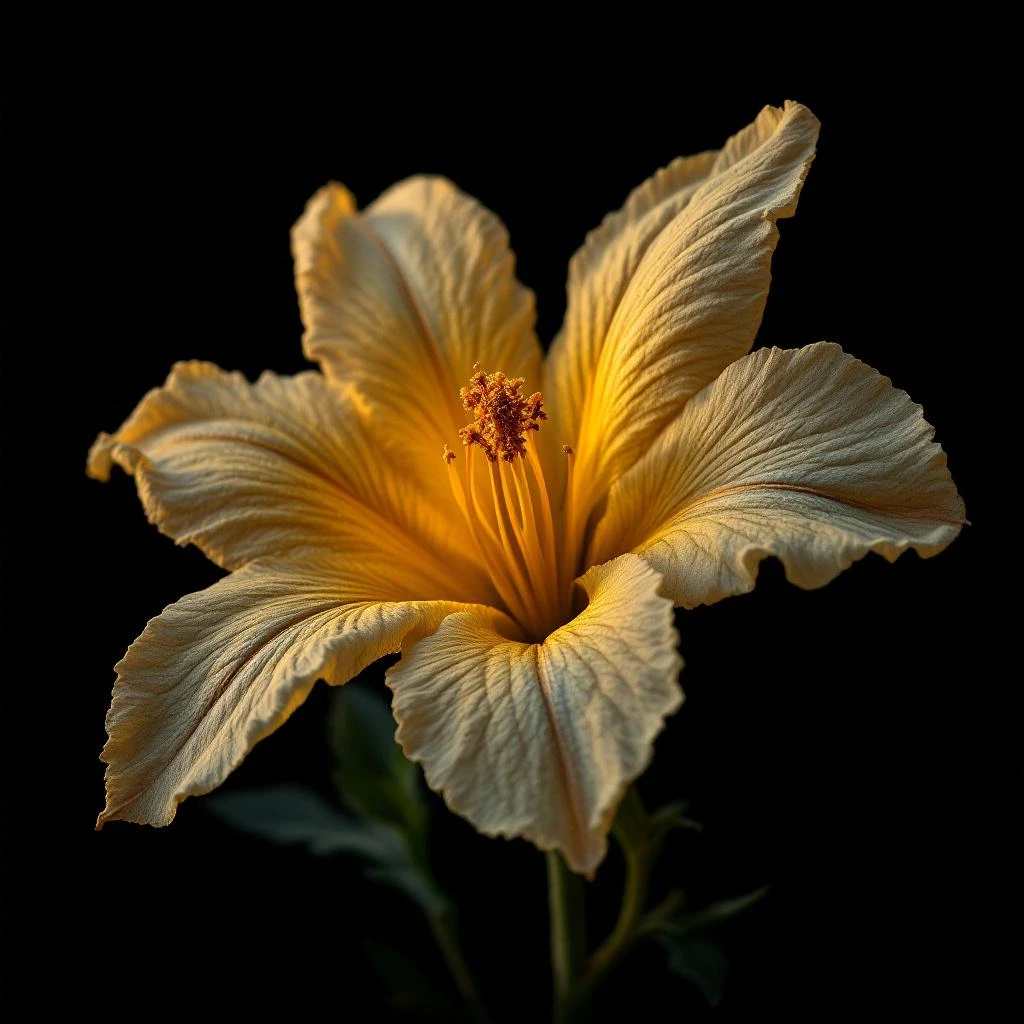
By the 1600s, tobacco had become one of the most traded commodities in the world, with Caribbean islands serving as primary sources. The Dominican Republic's geographic position provided ideal growing conditions: tropical warmth, rich volcanic soil, and consistent humidity that coax extraordinary flavor from the Nicotiana plant. Today, Dominican tobacco ranks among the world's most sought-after, supplying both premium cigars and the fragrance industry with material prized for its complex, sweet profile.
The island's tobacco heritage spans five centuries of cultivation knowledge passed through generations.
Wears it best
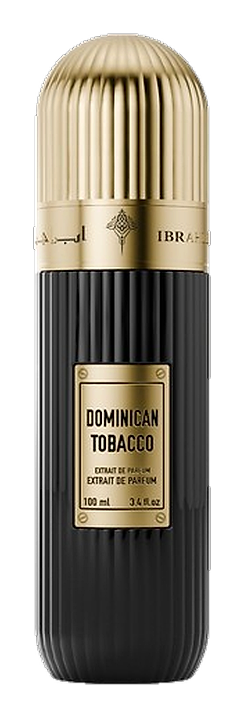
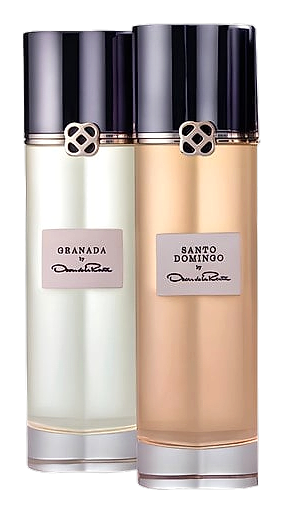
Fragrances featuring Dominican Tobacco
Brands
Brands known for Dominican Tobacco
Good to know
Questions, answered
The essentials on Dominican Tobacco in perfumery: how it smells, where it comes from, and how it behaves on skin.
What does Dominican tobacco smell like?
Dominican tobacco offers a sweet, sun-ripened character with earthy undertones and subtle smoke. It reads as warmer and smoother than Turkish or Virginia varieties, often showing honeyed and slightly leathery facets that blend well with vanilla and amber.
Is Dominican tobacco used in men's or women's fragrances?
Dominican tobacco absolute works in unisex and masculine-leaning compositions. Its warmth and sweetness also appear in feminine orientals and chypres where tobacco adds depth without heavy masc ruggedness.
How is tobacco leaf processed for perfumery?
Tobacco leaves undergo curing for several months to develop aroma, then get extracted with solvents to produce a concrete, washed with alcohol to yield the absolute. This process concentrates the aromatic compounds into a useable perfumery material.
What fragrances feature Dominican tobacco as a main ingredient?
Many niche fragrances showcase Dominican tobacco, including Ibrahim Al Qurashi Dominican Tobacco, which reportedly lasts over 12 hours on skin. It appears alongside vanilla, oud, and woody notes in many orientals.
Does Dominican tobacco smell different from Cuban tobacco?
Dominican tobacco tends toward sweeter, honeyed tones compared to Cuban tobacco's earthier, more fermented profile. Both are premium materials, but Dominican leaf offers brighter sweetness while Cuban delivers deeper mustiness.
Can synthetic tobacco replicate Dominican tobacco?
Synthetic tobacco molecules like cotinine or nicotyrine approximate aspects of tobacco aroma, but natural Dominican tobacco absolute captures broader complexity including the subtle sweetness developed during long curing.
What blends well with Dominican tobacco in fragrance?
Dominican tobacco pairs naturally with vanilla, benzoin, tonka bean, amber, sandalwood, and oud. It also complements spices like cinnamon and cardamom in warm oriental compositions.
How long does tobacco absolute last in a fragrance?
Tobacco absolute serves as a base note and typically lasts 8 to 12 hours on skin. In formulations with good fixatives, longevity can extend beyond 12 hours, making it a durable heart and foundation element.